Closed: Please See Nearby Facilities
Washington, Washington DC
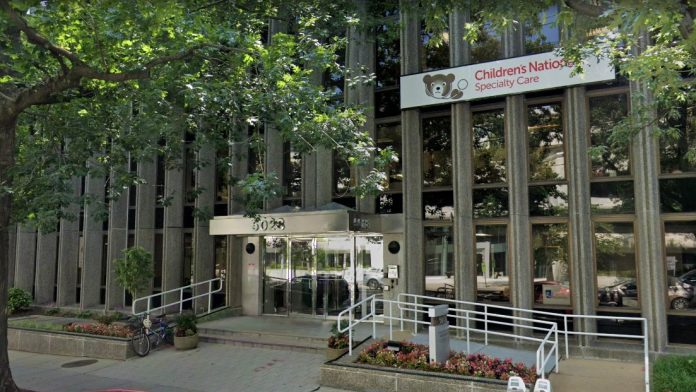
About Myer Treatment Center the Wa
As of 2023, the Myer Treatment Center and its parent organization, Washington School of Psychiatry in Washington, DC, have officially closed. This was a private outpatient treatment center which provided traditional psychotherapy along with treatment for dual diagnoses including co-occurring substance use disorders.
Medication Management and Medication Assisted Treatment
One of the standout features of this facility was its use of medication assisted treatment (MAT) like Suboxone to help ease cravings for people with opioid use disorder. They may have also prescribed psychotropic medications like antidepressants and mood stabilizers for mental health conditions.
By incorporating these medications with traditional psychotherapy, you’d receive care for all the physical, psychiatric, and psychological facets of substance use disorder.
While psychotropic medications help you stabilize your moods, medications designed to sooth withdrawal symptoms also help reduce the psychological cravings. In turn, this makes the recovery process easier and less stressful.
Treatment Funded by Insurance, Medicare and Other Options
The Myer Center accepted private insurance, Medicare and Medicaid. Self pay clients were accepted too and they offered a sliding scale fee structure so your costs were based on your income.
Addiction Recovery in Washington, D.C.
The capital is a great place to begin your recovery journey. There are many green spaces, cultural sites, and historical monuments to visit when you’re not in treatment. Be sure to check out the Lincoln Memorial, National Gallery of Art, and the Smithsonian National Air and Space Museum.
The Meyer Treatment Center was an outpatient treatment center in Washington, D.C. offering all the core services you’d need for outpatient recovery.
Addiction Treatment Programs
Adult Program
Adults who have substance use disorders have often been through a lot — trauma, getting and losing jobs, having and losing housing, and more. In Washington, DC, an adult rehab can help you focus on these experiences and learn to process and manage them without turning to substance use.
Men's Rehab
A men’s rehab in Washington, DC, addresses mental and emotional concerns that are common to men, which might include sharing emotions, vulnerability, anger management, and trauma. Addressing these unique issues in a community with other men can help participants heal and develop healthy coping mechanisms so they don’t need to turn to substance use.
Senior Drug & Alcohol Rehab
Senior drug and alcohol rehabs in Washington DC prioritize the unique recovery needs of older adults. While traditional rehabs typically support the medical, mental, and behavioral health of persons from their mid-twenties to their mid-fifties, senior rehabs respect the specific recovery challenges of clients in their late fifties and beyond. Treatment may address chronic pain issues, grief and loss, life stage transitions, and other concerns relevant to the sobriety of an aging client population.
Women's Rehab
Women experience life differently than men, so having a specific women’s rehab can be helpful. A women’s rehab in Washington, DC, can address pregnancy concerns, mothering skills, and the unique experiences women have that might lead to substance use, leading to a more effective treatment experience.
Teen & Adolescent Program
Young adults face a lot of uncertainty and pressure as they transition to fully independent living. Young adult rehabs in Washington, DC, can help them address these concerns in healthy ways, develop practical coping skills, and learn essential life skills so they can overcome addiction and live a substance-free lifestyle.
Levels of Care
Outpatient Rehab
Outpatient rehabs in Washington DC enable clients to receive addiction recovery services while continuing to live at home. They are ideal for clients who are medically stable, including those stepping down from inpatient care and/or those with mild to moderate addiction disorder not requiring hospitalization. Outpatient rehabs offer a wide range of treatment intensities determined by clients’ needs, including high-intensity partial hospitalization and intensive outpatient programs (PHP/IOP) and moderate-intensity general outpatient programs (OP).
Dual Diagnosis & Mental Health
Dual diagnosis care in Washington DC is a specialized, multi-pronged approach to addiction recovery tailored to the unique care needs of persons with co-occurring addiction and mental illness. Dual diagnosis care is predicated on the assumption that lasting recovery can only be achieved if the underlying mental health conditions that contribute to or exacerbate the addiction are also addressed. The dual diagnosis care model typically integrates extensive psychotherapy, recovery education, and pharmacotherapy, if appropriate.
Insurance
Medicare Accepted
If you qualify for Medicare, your insurance plan can help pay some or all of the costs of addiction treatment in Washington, DC Whether you have Original Medicare or a Medicare Advantage plan, you may be able to get inpatient and/or outpatient rehab treatment affordably with help from your insurance.
TRICARE
Administered by the Department of Defense, TRICARE offers comprehensive military health insurance plans for active and retired military members and their families. Similar to PPO programs offered by private insurance companies, TRICARE covers multiple levels of care for addiction treatment, including detox, inpatient rehab, and outpatient services.
Private Insurance
Private insurance is one of the easiest ways to pay for rehab treatment in Washington, DC. Health insurance plans are required by law to cover mental health and substance use treatment, so check with your insurer to see what centers are in your plan’s network. You may still have some costs, such as deductibles, co-pays, or coinsurance.
Self-Pay Options
Self-pay options for Washington, DC, rehabs make it easier for you to choose the type of care you need most. You aren’t limited by your insurance plan’s network or limits on care. Self-pay, also known as private pay, allows you to go to the rehab you’re most comfortable with and get the help you need.