How does one describe the inherent rhythm and flow of the perfect poem? Can there be more than one interpretation? Why do certain strict and rigid rules of poetry discourage readers from enjoying this art form? Perhaps part of the anxiety regarding writing and understanding poetry rests in the fact that it may be poorly taught in certain classrooms. It is understandable that certain educators, despite their passion for literature, simply do not enjoy teaching poetry.
I shall never forget my high school days and the poetry phase of our sophomore literature class. Our teacher, who I will refer to as Ms. Grim (pardon the poetic license), began teaching poetry by assigning John Keats' "Ode to a Nightingale." To our unhappy surprise, rather than discussing the poem or the poet, Ms. Grim decided instead to ambush us with those four dreaded words: "What does it mean?" When that question failed to inspire the required response, she followed up with, "No, class! What was Keats thinking when he wrote this poem?"
Predictably, our teacher's demands resulted in the 'deer in the headlights' look from several of my classmates, while others tried to slither downward in their chairs to hide from her view. Clearly annoyed, Ms. Grim began to parse the poem out in sections on the chalkboard for us to analyze. It was an unpleasant experience, reminiscent of the time we were required to dissect pickled frogs during biology class. She never strayed far from her teaching guide, referring to it often. In retrospect, I don't doubt the great John Keats would have been highly amused.
The more interesting days occurred when Ms. Grim required us to write poetry. We could always count on her red flair to fill the landscapes of our papers with her brusque criticism. She chastised me more than once for writing poetry with an allegorical subtex she didn't comprehend. She criticized others in class as well, causing them to blush with embarrassment. It took a couple of months for me to recuperate from the resulting poetry-blindness of Ms. Grim’s instruction on the classics. I suspect others never fully recovered. Her constant demand for analytical attention created a dislike of poetry from many of her students -- if not predisposing them to detest poetry entirely.
To be fair, other teachers truly excel in teaching poetry by approaching it from both an analytical and creative aspect. They unlock the doors to its creative language of thought and emotion expressed through vivid imagery, theme and symbolism. These are gifted teachers. They enable their students to breathe life into the music of the words to better understand how poetry’s natural beauty and power are accessible to us all.
Everyone has their own tastes and preferences with poetry. Some prefer free or blank verse, while others enjoy the elements of flowing rhyme. Rhyme critics consider this form to be fraught with a sing-song quality that is mundane or too traditional, often characterized with the, “We skipped through the tulips…fa la la la la," type of verse. Others claim that writers begin with rhyme before progressing to other, “more serious forms" of poetry. Famous poets have been accused of trying to force a word that doesn’t fit into the rhyme scheme, thus making the poem sound too contrived.
As someone who often writes in rhyme, I would like to dispel some of these myths. First of all, like falling in love, we do not choose rhyme; rather, it often chooses or finds us. That being said, rhyme can also be very challenging. We want to express something compelling, moving and thought-provoking while providing magic elements of imagery, often within a melodic flow. Reading it should be effortless.
Granted, there are times when attempting to rhyme takes over the writing process. One moment we’re in handcuffs; the next, we're whisked away as the words take on a life of their own. And there are the occasional wild rides down the rabbit hole where we land with a thump and ask ourselves, “Okay -- how on earth did I get here?" Actually, this is one of my favorite moments in the writing process. I look about this strange land to see what it has to offer; its unique phrasing and words will inevitably find me.
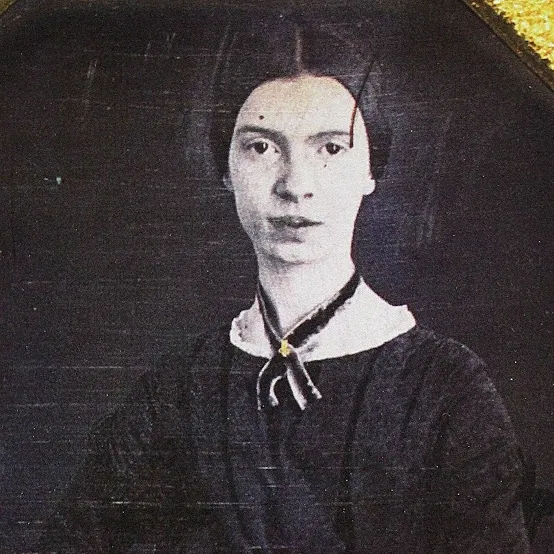
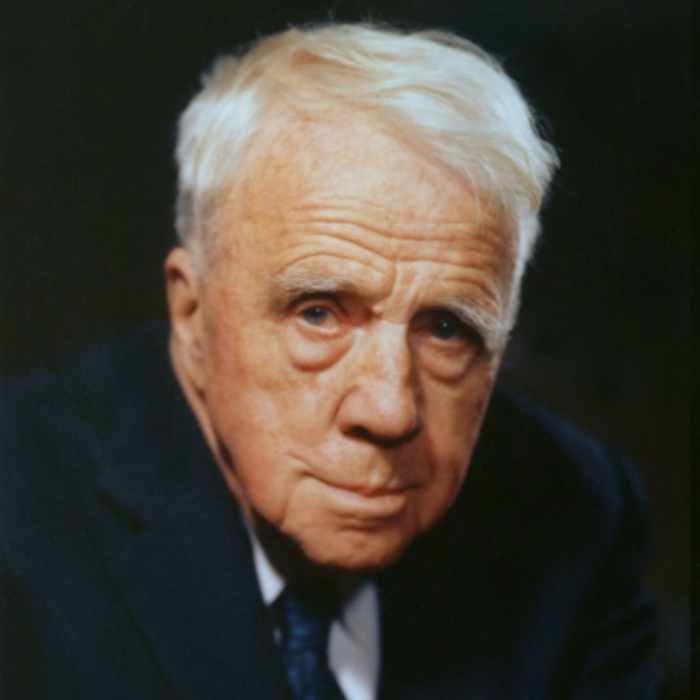
There are also those occasional challenges when we are faced with a word that doesn’t rhyme within the structure of our poem. This is the puzzle piece that doesn’t fit; the anomalous color that distorts the painting; the sour, out-of-tune key on the piano; the odd dinner plate that destroys an otherwise exquisite table setting. Never one for tulip-skipping, Emily Dickinson would often change a word many times to suit her ear in a line of verse that rhymed. I should also mention that one rarely sees forced rhyme in any of Robert Frost's poetry. In other words, if we are challenged by the trappings of rhyme, we're in excellent company.
I'm an omnivorous reader and eclectic, creative writer of articles, fiction and poetry. Although I sometimes write rhyming poetry to music (Ocean Eyes; Looking for Shakespeare), I also love free verse poetry that is "unfettered" with the normal rules of poetry. Reading Walt Whitman for the first time was, for me, a revelation. Free verse and blank verse poets are more comfortable with this style of poetry because they find it less cumbersome and more open to creative expression. "To each his own," is extremely important and should always be respected.
If writing poetry calls to you, by all means answer. This is one of the noblest of all art forms. Whether you write rhyme, acrostic, blank verse, free verse, haiku or other forms, don’t be afraid of or dominated by rules and convention. An extraordinary writer once provided me with these helpful guidelines: "Don't be discouraged if you write a bad poem (we all do); you’ll soon write a better one. Read other poetry, including the classics, various forms and the works of the masters. Never overlook lesser known or unknown writers; we all have a voice. Write often. Try not to explain too much in your poetry but avoid being too obscure. And never cling to your words out of stubbornness and refuse to consider revisions."
From my own experience, above all, don’t be afraid to write about something that makes you feel a little uncomfortable. Dispel any haunting red flairs and chalkboards from your past and open yourself up to new dimensions. Inspirations will visit you from unexpected places. Welcome them and look for those magic elements. You can begin by writing down a few thoughts or emotions and let the seeds of the poem grow from there. (Just be careful of the tulips.)
© Genna Eastman. All rights reserved.