From Sunday night dinners with local families to parent-led orientation programs, boarding schools are rewriting the relationship between family and school, writes Fran Molloy.
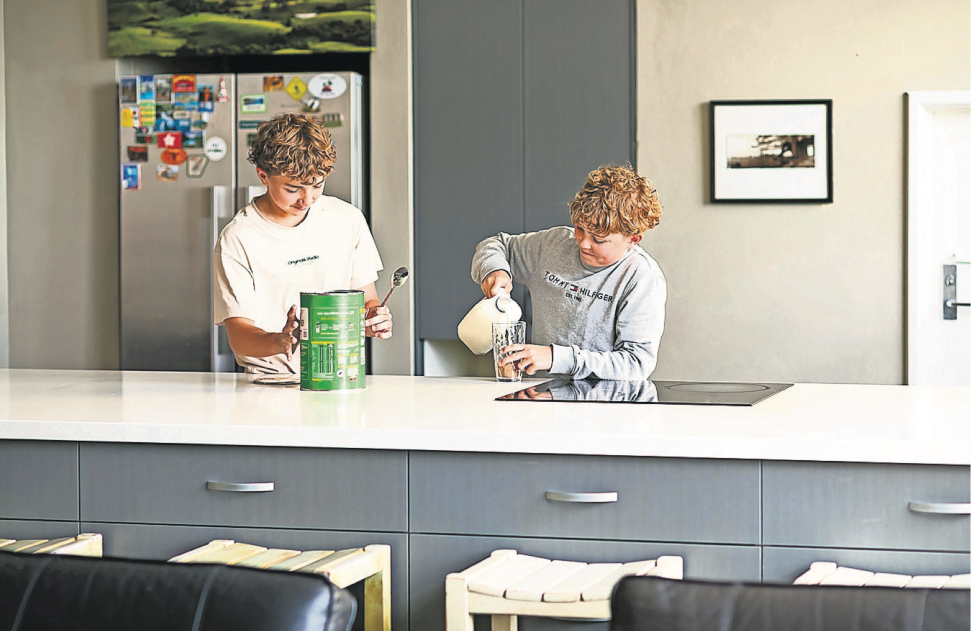
Edwina is a Shore School mum of four children, with two sons at the school – and this year, her big family has taken on two extra boys under the school's City Host Family program. "There is always room around the table or a seat in the car for more kids," she says.
She's quick to point out that much of the role involves text messages checking that the boarding students are OK through the week: how are assessments going, do you need a lift to sport this weekend? Host families play backstop to the school's own pastoral care.
The program connects new boarders with Sydney families to provide what a school, however attentive, cannot easily replicate: a familiar face on the sideline, or a home-cooked dinner mid-term when, as Edwina puts it, the boys "really miss a steak, or cooking from mum". Edwina, her husband Tom and their Lane Cove family now host a Year 7 boy from Wagga Wagga and a Year 9 boy from Orange.
Both boys began boarding this year, each with an older sibling already at the school, which Edwina thinks helped ease the transition.
She says her role is mostly about being an available point of contact for what a parent can't manage from Wagga Wagga or Orange during the week.
"The school does a great job," she says. "I really just am there if they need me for something that mum or dad can't get."
What has surprised her is how much flows back to her own family. There's sometimes a big crowd at her family's Sunday night dinner table, with both boarders and their siblings occasionally joining.
"I'm always impressed with the maturity and conversation with the boarder boys, they are always interesting, interested and polite," says Edwina. She recalls nudging her own kids when the boarders stood up to clear the plates without being asked.
"We get as much, if not more than what we even potentially give," she says. "Also, I think it ensures our boys are looking out for someone, not just thinking of themselves."
The program is coordinated through the school, with a boarding parent liaison matching boarders with day school families based on shared interests, backgrounds and family circumstances.
Director of boarding Daniel Bradford says what starts as a support network can often become something more enduring, with visits to regional properties and shared family celebrations.
"What begins as a support network for a new boarder often develops into a lasting relationship that extends well beyond a student's years at school," he says.
City Host families offer boarders something distinct from what boarding staff provide: a change of pace, rather than pastoral care. "Whether it is sharing a family meal, attending a local event, or simply spending a few hours in a home environment, these opportunities can have a significant impact on a young person's wellbeing," Bradford says.
At Fairholme College, an all-girls boarding school in Toowoomba, the school now runs its boarder orientation weekend completely differently – just one part of a big shift in the role parents are playing in boarding school life.
For years, head of boarding Kylie Wallis and her colleagues did what most schools did: stood at the front of the room and told incoming families what boarding would be like. "That's not our approach at all any more," says deputy head of boarding Lindy Masters, adding that the boarding staff have moved from positioning themselves as the experts, to being in partnership with parents.
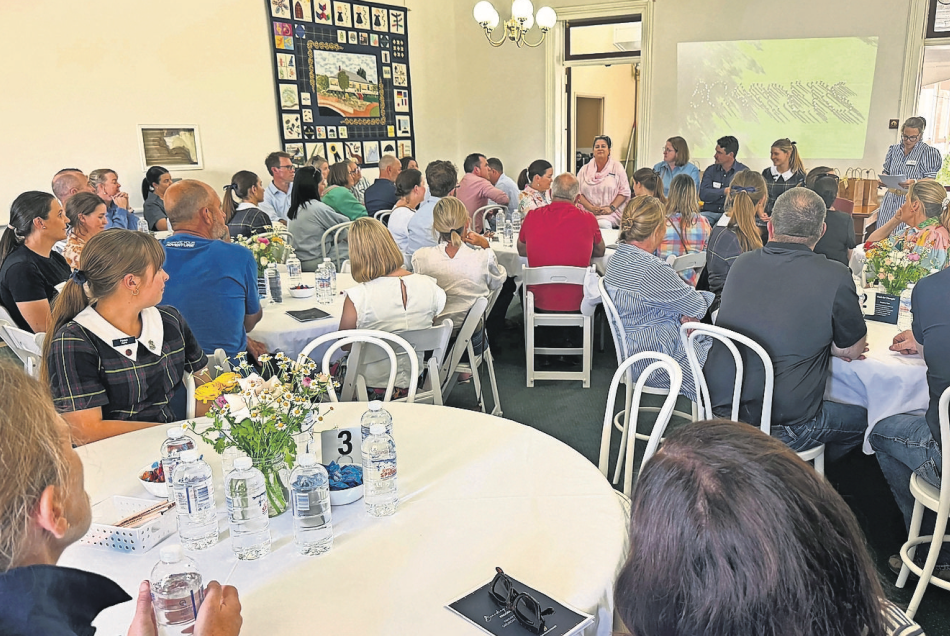
This year, Fairholme turned the orientation program upside-down to reflect that shift. Instead of staff presenting, a group of experienced boarding parents ran the session entirely, while staff stood on the sidelines. "We had to take a risk and be a bit vulnerable," says deputy head of boarding Vicki McNamara. "It was humbling!"
The change was immediately apparent in the kinds of questions that came from those tables.
Parents raised issues that would not normally surface in a formal presentation – like, what do the girls wear to dinner? Who can I call if my daughter is homesick at 10 pm on a Tuesday?
"When you're sitting in an audience being spoken at, no one's really interacting with you personally," Masters says. "Sitting at round tables, everyone was seen, and everyone was heard."
It's a big shift; Wallis and Masters (both former boarders themselves) describe a school where parent engagement has become embedded in daily culture and boarding supervisors are in constant contact with families. Before a girl even arrives, staff can travel significant distances to visit her family at home and get to know the broader community context, including challenges like distance, isolation or drought. "The visit is not about gathering quick information," Wallis says. "It's about building trust over time."
A peer support program pairs Year 12 students with new boarders as big sisters, Year 11s as middle sisters, and Year 10s with Year 8 boarders who need extra connection. The relationships, once formed, tend to hold.
Now, parents feel comfortable picking up the phone before a small concern becomes a larger one.
"They know us, they've sat with us – they're quite happy to ring and get in touch before it becomes an issue. And that's what we've been trying to build," says Janet Caitens, the school's head of wellbeing boarding.
Bradford's advice for boarders navigating the transition is the same message he hears from senior students year after year: get amongst it.
"The boys who immerse themselves in the opportunities available to them – whether in the classroom, on the sporting field, through co-curricular activities or within the boarding community – are the ones who gain the most," he says.
"Learning to navigate both the highs and lows is an important part of the experience."