Greek Australian Stephanie Lagos between 2016 and 2019 was in Greece working in the biggest refugee crisis of the 21st Century
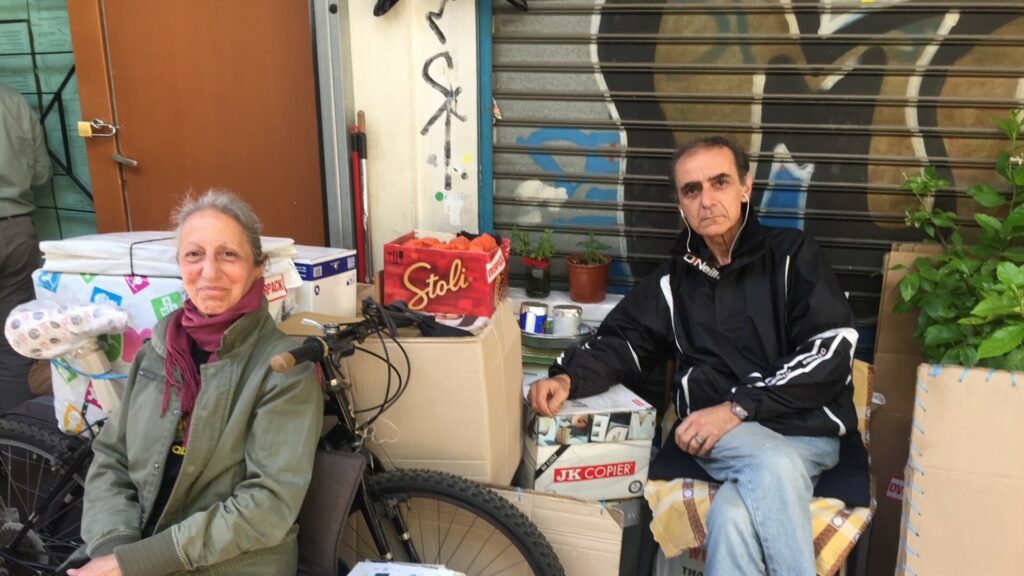
Stephanie Lagos, Australian refugee and migrant advocate, social worker, and psychologist, had carved out a significant career in Melbourne. The former director of Spectrum Migrant Resource Centre, and then diversity expert at the legal firm Slater and Gordon she was dug in deep. Yet, he left it all behind in 2015 to make a new life in Greece, to give back, to care for her parents, both now departed.
Lagos’ commitment to her parents “impressed the Greeks.”
“They’d ask ‘how can a daughter leave her life to care for her parents?’ shows you how out of the loop I was with Greek culture in Greece, as a Greek Australian,” she laughs.
Lagos’ father suffered from Alzheimer’s and was in a day care centre, the dutiful daughter would drop him off, then spend time with her mother, also not well. It was time to care for those that loved her.
“They had been beautiful parents who always cared and loved me, it was my time to give back.”
When not caring for her parents she spent time on her own wellbeing. Met new friends, read, took in the culture, Athens is a city made for the living.
That all changed abruptly when Lagos found herself in the epicentre of the 2015/16 global refugee crisis, when over a million Syrian and Afghan refugees poured into Greece. Many refugees lost their lives trying to make it to the Greek islands off the coast of Turkey in rubber dinghies. The grim task of fishing corpses out of the sea was a new reality for the coast guard. The Mediterranean sea is deceptive, one minute it’s a calm sea warmed by the sun, and the next the lair of of Scylla and Charybdis.
Lagos’ instinct, born of a lifetime working in the Australian multicultural sector, kicked in.
Lagos says that the ability for Greeks to mobilise and get the job done, is “mysterious.”
“Anyway, my social indulgence was too much” Lagos says, “I needed to connect myself with the community.”
Initially the Greeks did not welcome her as a volunteer, their scepticism of the Diaspora is an involuntary reflex for most of them.
“If they don’t know you, or you don’t come recommended, they exclude you.”
Lagos frustrated, talked to a friend in Brussels, who worked for the International Rescue Committee (IRC). Her friend advised her to consult for the IRC, a partner of the Greek Council of Refugees (GCR).
The GCR provides interpreters, mediators, document assessors, physical protection, housing and health services, legal aid, education and language classes, for refugees. It appointed Lagos to lead the rollout of child protection strategies for unaccompanied refugee minors.
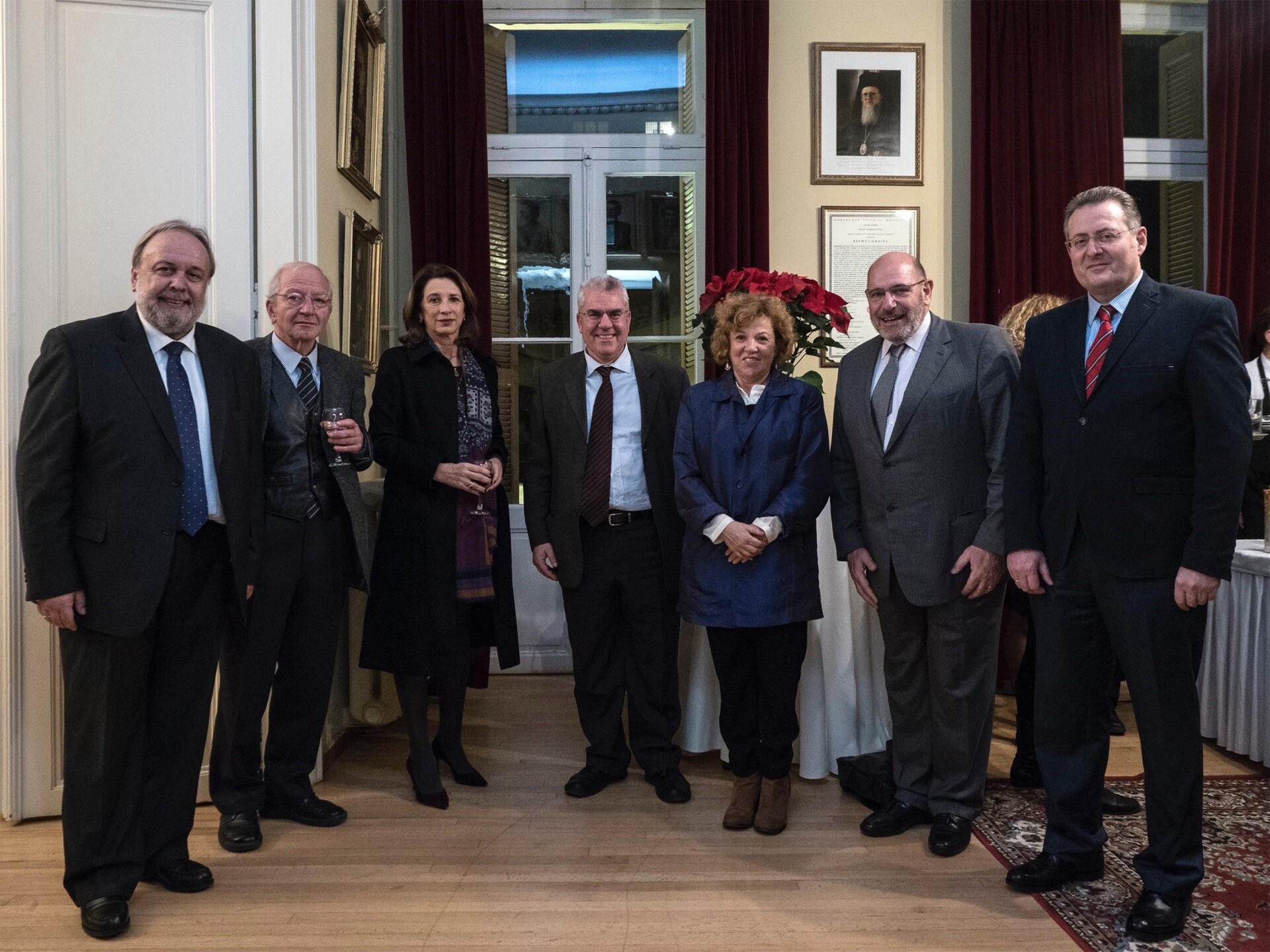
Lagos started to work with the Greek Army in their rapid emergency response.
“This wasn’t refugee advocacy like in Australia, we were in the eye of the storm, often I had to be flown to refugee camps in military helicopters, intense, and I have to say, it was exciting.”
The Greek Army is highly respected says Lagos, and once she was acknowledged by them, she was accepted by her peers.
“Greek graduates working with refugees weren’t from a privileged background, so they didn’t see a huge difference between themselves and the refugees – they weren’t far off from becoming economic refugees themselves.” Stephanie Lagos
“We established rapid safe zones for unaccompanied minors, we had to get them away from conglomerates of people in refugee camps.”
Minors exposed to trauma need serious protection. “It was boys aged 15 and 16 years old, if the family couldn’t afford to pay for a smuggler’s boat, they’d send a male teenager to act as a kind of flagship for future family reunification, once refugee status was given.”
There was real danger of male minors falling into the Athens sex trafficking trade.
Events unfolded rapidly Lagos had never faced a crisis of such magnitude. “This was huge, particularly in Greece, a country which has relatively weak systems in these areas.”
Lagos was surprised with the involvement and efficiency the Greek military, and how they, “regardless of some attitudes, showed empathy for the refugees.”
“They were professional, efficient and very relaxed, if this was in Australia it would be total chaos.”
The refugee crisis was a human tsunami washing over Greece. In the background the Greek Financial Crisis played on with catastrophic impact.
Youth unemployment soared over 25 per cent and Greece’s middle classes were gutted in less than a year. The poor became impoverished. Only a Greek sense of community and obligation created bear thread support.
Greece was the gateway for refugees who sought refuge, and a new life in Germany and the Nordic Europe. The crisis Lagos says did not have a “massive shock factor” on Greeks.
“Greeks who have lived with hundreds of years of foreign invasions, colonisation, civil wars, and unrest, and this was just another crisis.”
Lagos now worked from sunrise to sunset to ensure unaccompanied minors were made safe.
“The Greeks had a more relaxed attitude towards refugees, they cared, but did not exhibit those annoying ‘rescue tendencies’ we have in Anglo Australia. They embraced the chaos, nothing in their lifestyle changed.”
Part of Lagos’ job was to recruit people for “new jobs in refugee crisis management and for jobs without job descriptions.”
“I was developing infrastructure that didn’t exist, all on the go.”
The Greek Australian was initially confronted her compatriots’ “laissez-faire and often fatalistic attitude.” But soon she realised that the Greeks “don’t like hierarchies” or structure.
“I was imposing systems and procedures and they resisted, they like chaos, yet they seem to mobilise when it comes to the crunch and do so very fast.”
“I don’t know how it happened, it’s crazy, one minute 400 boys were sitting around in a refugee camp, next they were in safe spaces, in my Australian trained mind, I just could not understand how.”
Lagos says that the ability for Greeks to mobilise and get the job done, is “truly a mystery.”
“No doubt, the Greek military is highly developed, and refugee workers had no issue taking orders from the military.”
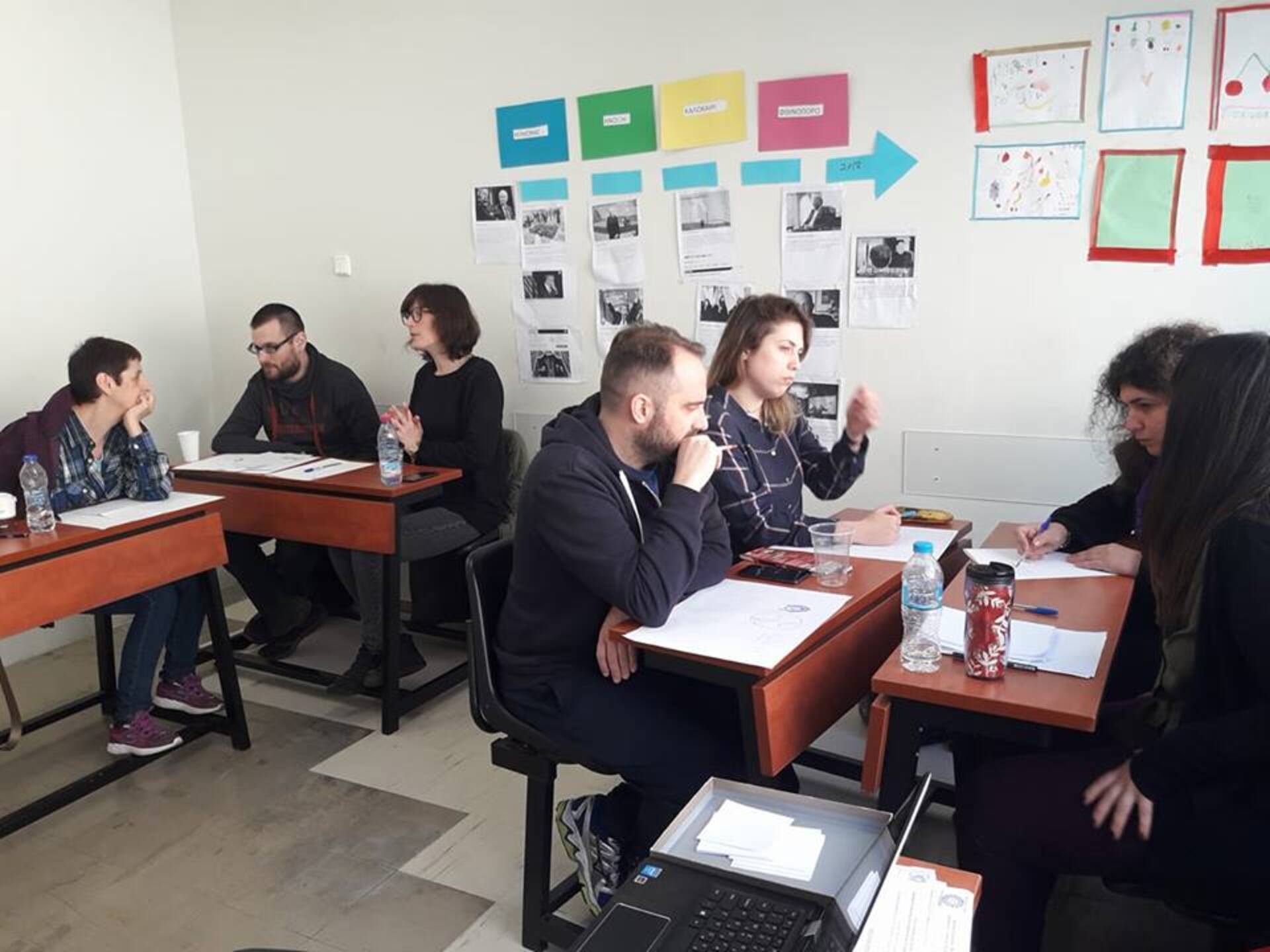
The refugee crisis became an employment scheme in the financial crisis. The EU, and external agencies ploughed money into the problem. The Greek government utilised the crisis to leverage support and influence.
Greece was the frontline state and a holding station for a million refugees as EU nations fumbled. Many central European nations like Hungary barred refugees from entering against a raft of human rights conventions.
Lagos built social services teams to “supervise kids 24/7,” by recruiting graduates across all fields.
“Occupational therapists, health staff, social workers, and more young people, that would have never got a start were given positions; it was like Christmas for them.”
They felt that they were “doing something good and the process changed their attitude towards refugees.”
“The graduates weren’t virtuous, they weren’t ‘saving’ people, like Australian activists”, Lagos says.
“Greek graduates that worked with refugees weren’t from a privileged background, they didn’t see a huge difference between themselves and the refugees, they weren’t far off from becoming economic refugees themselves.”
Many Greeks protested in support of refugees; “even cynical ones began to see the economic boost refugees created”
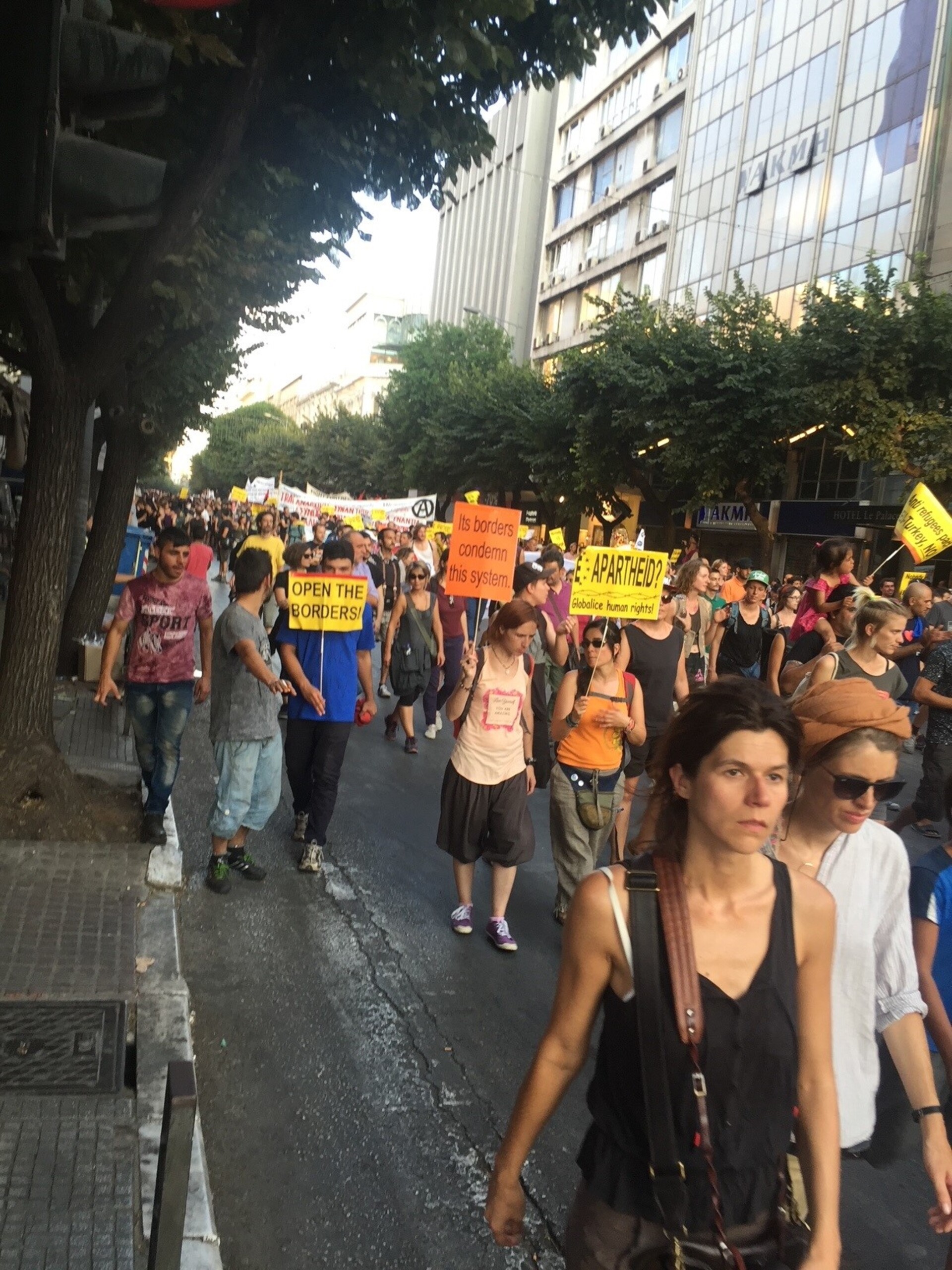
Refugees created jobs throughout Greece, “in medical and social services, in logistical and food services.” Many settled into villages, towns, and cities “that had been totally neglected due to the financial crisis.”
They worked, and rented apartments and provided services. Syrian doctors took up posts abandoned by Greek doctors that had emigrated during the financial crisis.
Greeks knew that they weren’t that different from the refugees coming in Lagos she says.
“In their mind, becoming a refugee was not beyond the scope – crisis is something that happens in Greece – war, chaos, and catastrophe is embedded in Greece’s DNA.”