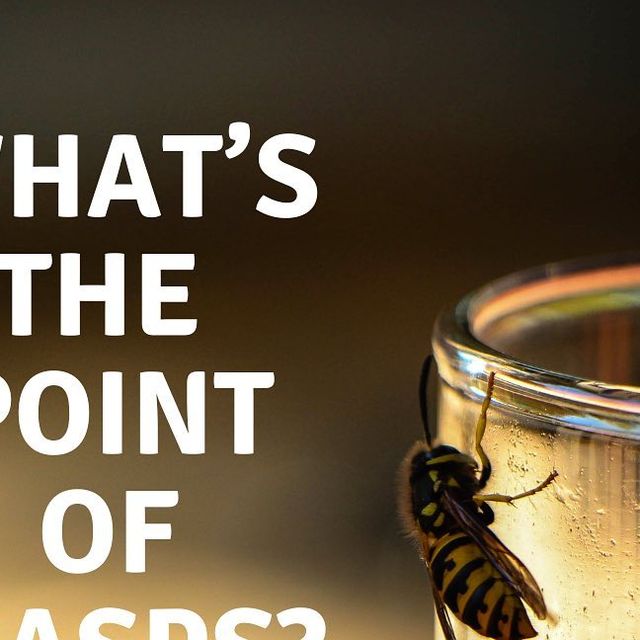
What's the point of wasps?
Wasps don’t make it easy to love them, particularly at this time of year when they are most visible during their end of season party.
Why have hoards of them suddenly appeared to torment us? Well it has to do with their lifecycle.
During the earlier part of the year worker wasps, the ladies we see out and about, bring food such as caterpillars and aphids back to their papery nests to feed to their grubs or baby wasps. They are rewarded by a sugary substance secreted by the grubs.
At the end of summer all the baby wasps are raised and gone so the workers no longer receive this sugary reward and go seeking it elsewhere – our homes, sugary drinks, fallen fruit.
Unemployed worker wasps in their last few weeks of life are desperately seeking the sugary hit they have been getting all year so they can be aggressive and clumsy when they invade out homes in their single minded pursuit of their fix.
This lasts a few weeks before they will die off, only mated queens will hibernate in a quiet spot to survive the winter to make a new nest next year.
So for most of the year wasps are a gardeners friend, as voracious predators of garden “pests” such as aphids and caterpillars. They live in fascinating social colonies just like our beloved bees, headed by a queen and managed by her daughters, and are also pollinators. They have an important ecological role to play.
Beekeepers have their own issues with wasps at this time of year as they can invade weak hives but as nature lovers first and foremost beekeepers will be among the first to grudgingly admire the artistry of wasps intricate nests fashioned from dried wood they can often be seen stripping from untreated wood in early summer.
Sometimes for safety reasons removal of the colony is deemed necessary but if you can tolerate them as neighbours without poisoning them at this final stage (which has implications for the birds etc further up the food chain who eat them) we can all benefit from their pest control in our gardens next year.
Safety comes first of course but if you can find a way to live along side them for these last few weeks it can be as important an action for biodiversity as any bee hotel or bird feeder.