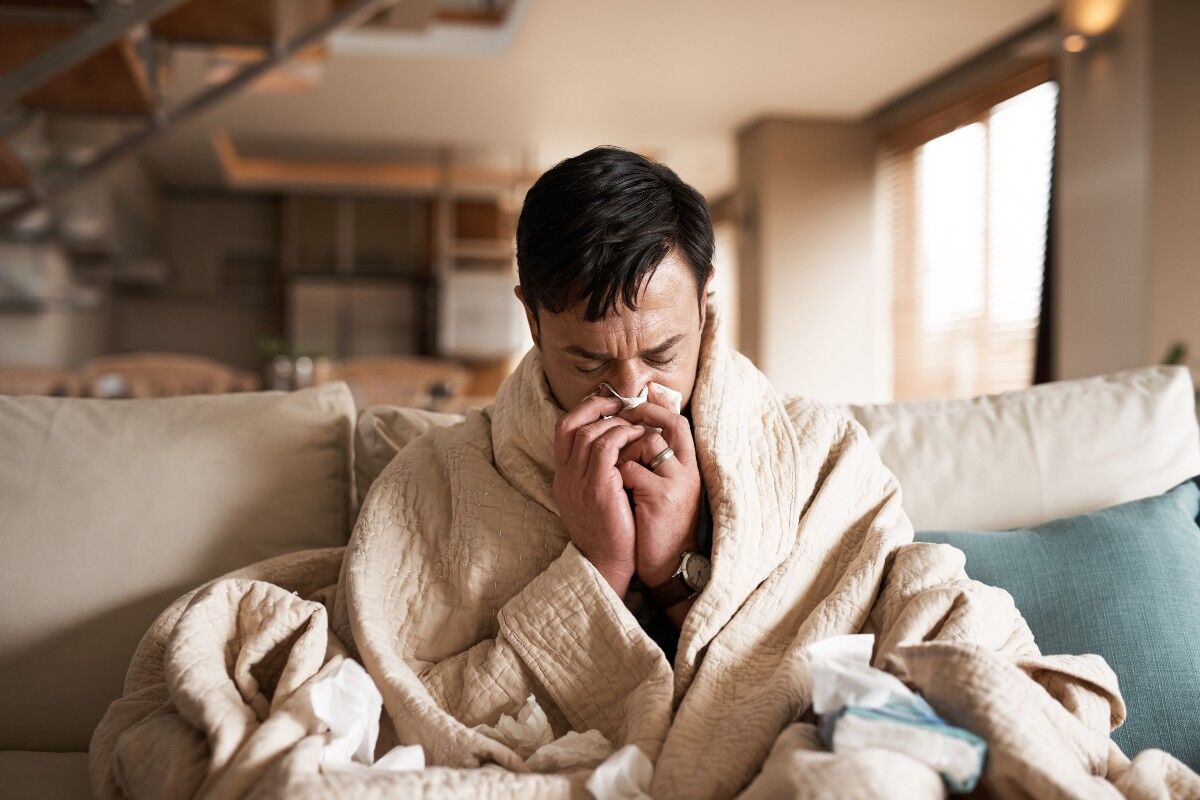
Almost one in seven people visit their GP when they have symptoms of flu, according to two years of surveillance data from the UK Health Security Agency.
Reporting findings from two winters of the FluSurvey of more than 3,000 participants, UKHSA said also found half of people had missed school or work due to the illness.
In all 14% said they had contacted their GP when they had flu symptoms, the results published in PLOS Digital Health show.
Nine in ten people took medication – mainly painkillers – when they were ill with the bug, the survey found.
The findings underpin the importance of vaccination, UKHSA officials said.
FluSurvey is the UK’s longest-running participatory surveillance system, through which members of the public voluntarily report their symptoms each week to help provide insight into illness circulating in the community that is not picked up by GP and hospital data.
The results follow warnings from health officials that the UK may be heading for an early flu season.
Surveillance data from GPs and hospitals shows increased influenza activity and positivity rates largely being driven by young adults.
Ensuring school children are vaccinated as early in the season as possible is key, to help stop the spread into the wider community and those at greater risk of more severe illness, like grandparents and younger siblings, UKHSA said.
It also means that parents are less likely to have to take time off work to care for sick children.
Dr Becki Green, principal scientist for respiratory viruses at UKHSA, said: ‘These findings show the big impact that flu-like illnesses can have on people’s daily lives and while most rightly treat their symptoms at home, almost half missed work or school, needing time to recover.
‘This is why getting your flu vaccine is so important, not just to protect against serious illness, but to reduce the wider disruption flu causes every year on workplaces, the economy and education.’
Dr Jamie Lopez-Bernal, consultant epidemiologist at UKHSA, said surveillance suggests the early rise may have slowed but they would be closely tracking all the major respiratory viruses through the winter to spot trends early.
‘While currently these virus levels are low, we can’t easily predict what may happen over the coming weeks and vaccination remains our best defence.’
Continue with clinical updates and expert-led education before the year ends in person at Pulse LIVE in Belfast, Liverpool, or virtually this October. Whether you prefer face-to-face or virtual learning, register today to save your free spot and connect with peers. Check out what’s on the calendar and join us at the next one!