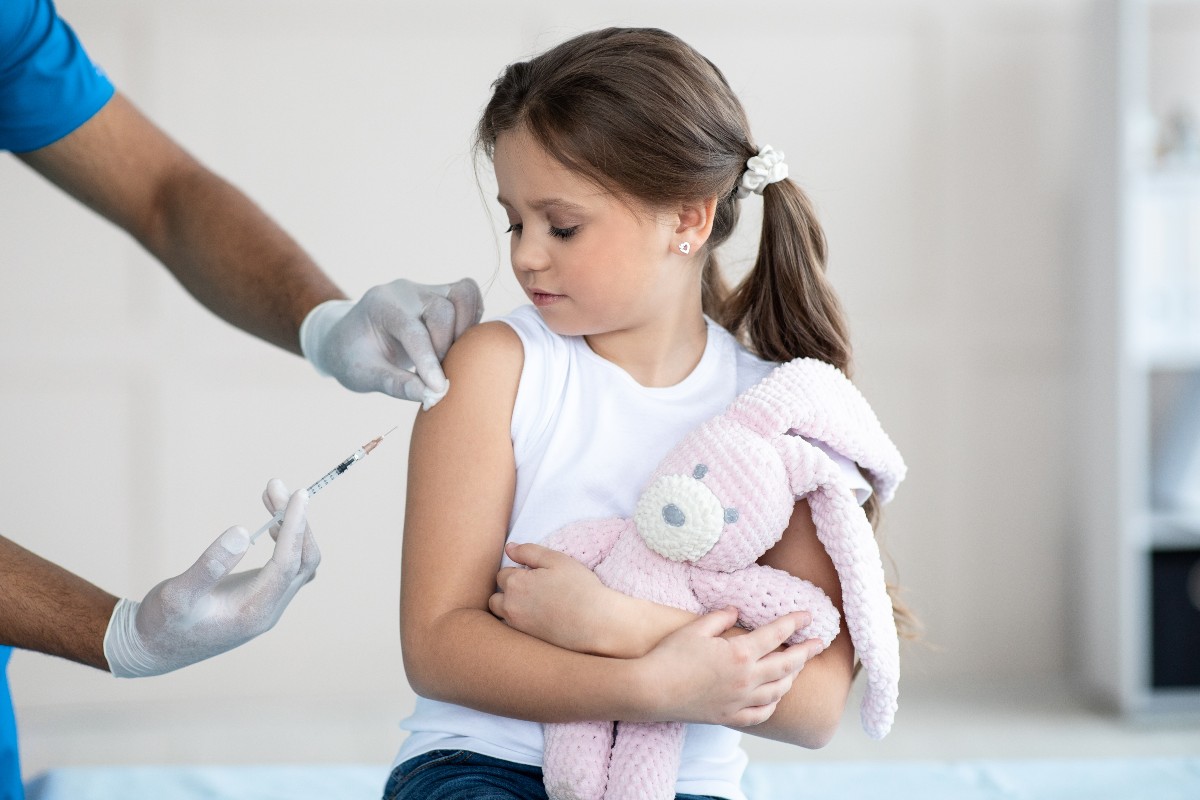
The Government should review primary care funding for childhood vaccination to tackle declining uptake and address stark inequalities, a report from a House of Lords special inquiry has recommended.
Commissioners must also offer GPs more support to boost vaccine uptake, the inquiry said, while noting that the core GP model ‘remains the foundation of pre-school vaccination delivery’.
GPs under significant pressure can struggle to offer consistently accessible services, through walk-in clinics, flexible appointment times, or enough time to discuss issues with parents, particularly during the first appointment, the ‘No Time to Lose’ report found.
Any strategy to commission supplementary providers, such as pharmacies, to deliver childhood vaccines must be carefully evaluated to avoid risks of diverting resources and increasing system complexity, it added.
Failure to tackle falling vaccine uptake and widening inequalities will leave more children, young people and adults exposed to avoidable disease, disability and death, the committee warned.
MMR uptake has fallen 30 times faster in the most deprived areas than the least deprived, and in January this year the UK lost its measles elimination status, the report noted.
By October, there had been more than 4,000 measles cases and three deaths.
The 2023 NHS England vaccination strategy set out sensible objectives and made some progress, but it has not delivered the improvement in outcomes that is needed, the committee concluded.
There is a ‘persistent gap between national ambition and local delivery’ that needs to be addressed, it continued.
The committee was also ‘very concerned’ that DHSC, the UKHSA and the NHS seem not to have risen to the challenge of countering false and misleading content on vaccination, particularly on social media.
It was ‘alarmed’ to find that reforms are already causing disruption in the health systems that underpin childhood vaccination services, which ‘represents a serious risk to efforts to improve coverage and reduce disparities’.
Left unmitigated, it could ‘cause lasting damage’, the committee concluded.
The Government needs to make clear that reversing the decline in childhood immunisation rates is a ‘top priority’ said the committee, who found ‘worryingly little assurance’ that commissioners and providers are following either NICE guidelines or UKHSA advice on how to improve vaccination coverage.
Overall, the GP contract does not clearly incentivise practices to put time and resources into improving childhood vaccination coverage from a low base; or into reducing inequalities in coverage, the report said.
But there are numerous positive vaccination outreach models, including locally designed models where GPs pool resources to deliver additional services.
School vaccination services also need more support, with figures showing about half of girls in the most deprived local authorities are being vaccinated against HPV.
There is no single cause for vaccine decline, and inflexible booking systems, appointment times and consent forms need to be addressed alongside trust and structural weaknesses in health systems.
It should also be made simpler to catch up on missed vaccinations, the report said.
Reversing steep falls in the number of health visitors to give them more time to talk to parents and to vaccinate children at risk of missing out, would also likely have a substantial impact, it added.
Baroness Walmsley, chair of the House of Lords Childhood Vaccinations Committee, said: ‘Families want to keep their children safe and value having the time to talk with trusted healthcare professionals about getting vaccinations.
‘However, growing pressures on professionals and parents mean those conversations don’t always happen. Too often, services have simply not kept up with families’ lives.’
She added that reducing preventable suffering and death through childhood vaccination is one of our greatest public health achievements.
‘Inaction is not an option.’
RCGP president Dr Victoria Tzortziou Brown said the report made some sensible recommendations.
‘GPs and our teams play a leading role in ensuring as many children as possible are vaccinated,’ she said.
‘This is made possible through the trusting relationships we establish with families in our community, often built over many years, and the outreach programmes practices are involved with to encourage underserved communities to come forward.’
But she added that GP practices were working under significant pressure as need for their services rises and funding, as a proportion of the NHS budget, at a decade low.
‘Against these challenges, we need dedicated funding in primary care to ensure practices can offer proactive outreach, flexible and convenient options for parents and build trust through continuity of care,’ she said.