According Diane Nelson, College of Agricultural and Environmental Sciences at the University of California, Davis, the state of California produces four million tons of wine, which yield thousands of tons of wine grape residue like pulp, seeds, skin and stems.
Many wineries repurpose the residue as compost, but 30 percent of viticulture waste is pomace, or marc, often left to decompose. A recent UC Davis study published in the journal "LWT - Food Science and Technology" uncovered a potential use of Chardonnay marc as a source of abundant oligosaccharides and other healthful compounds, which show promise in the areas of nutrition including intestinal health and inflammation.
Oligosaccharides are carbohydrates composed of at least three to 10 simple sugars. Most pass undigested through the small intestine to the colon, where they serve as prebiotics to feed the good bacteria in our gut. Two examples of oligosaccharides are fructooligosaccharides, or oligofructose, found in foods like asparagus, bananas, blue agave, chicory root, garlic, Jerusalem artichokes, legumes, and onions, and galactooligosaccharides found in human milk.
Researchers at UC Davis were pioneers in discovering beneficial oligosaccharides in human milk. The university’s Barile Lab had conducted an earlier study that revealed oligosaccharides in both red and white wine grape residue.
Professor Daniela Barile, food scientist in the Barile Lab in UC Davis’s Department of Food Science and Technology, and her team, including master’s degree candidate and lead journal author, Amanda Sinrod, conducted this recent study of Chardonnay marc. The lab focuses on researching these indigestible carbohydrates as well as proteins and glycoproteins.
“We study these compounds in a wide range of foods including human milk, dairy products, coffee and its spent grounds, pluses like chickpeas, lentils and beans, and of course, wine and grape marc," said Sinrod. "We seek to isolate and characterize beneficial compounds for health to better understand their potential bioactivities to improve human health while keeping in mind the sustainability aspect.”
In their research, Barile, Sinrod and the team analyzed the composition of Chardonnay marc sourced from Jackson Family Wines and Sonomaceuticals.
Kristen Reitzell, Jackson Family Wines’ vice president of public relations, said, “We partnered with Sonomaceuticals to find higher and better uses for wine co-products, especially Chardonnay marc."
Chairman and proprietor of Jackson Family Wines and owner of Kendall-Jackson, Barbara Banke, and Peggy Furth, founded Sonomaceuticals with "the vision of creating a full cycle of sustainability in harmony with the cycle of nature and the vine,” Reitzell added.
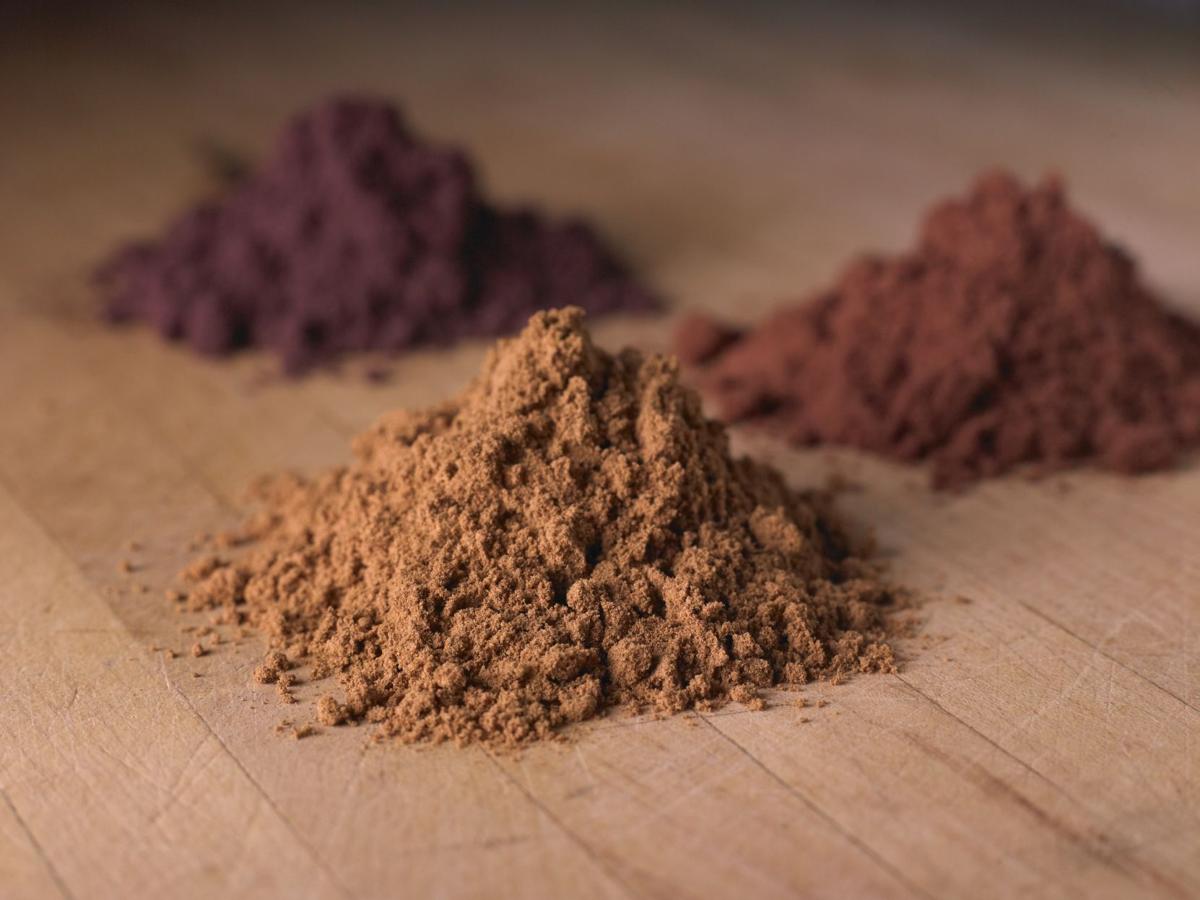
Sonomaceuticals already uses Chardonnay marc powder in their Vine to Bar chocolate bars. “Over the last 10 years, Sonomaceuticals has conducted extensive research into the therapeutic and sensory properties of grape marc," Reitzell said. "As a result, it is now a leader in characterizing the composition of – and developing uses for – wine co-products, particularly from Chardonnay.”
The Barile Lab’s study yielded positive preliminary findings, including the discovery of a wealth of diverse oligosaccharides in Chardonnay skins, similar structural elements as human milk, as well as flavonoids.
“We have high hopes for Chardonnay grape marc based on our initial results," Barile said. "Quite a bit of research will need to be done to fully characterize grape marc oligosaccharides as their functionality depends not only on their general composition, but also on the order of their monosaccharide building blocks and the types of linkages connecting them.”
Future research will address the effect of growing conditions, wine production and vintage on the health potential of viticulture waste as well as partnering with microbiologists like Dr. David Mills. “Our collaborative efforts will inform us on the specific oligosaccharides' and phenolics' functionalities, both separately and in conjunction with each other. This will help determine their prebiotic effects and the mechanisms by which they influence other gut health factors like inflammation,” added Barile.
For more detailed information the full journal article, “A second life for wine grapes: Discovering potentially bioactive oligosaccharides and phenolics in chardonnay marc and its processing fractions”, is available online at Science Direct, https://www.sciencedirect.com/science/article/abs/pii/S0023643821003455. The Barile Lab at UC Davis also has its own website https://barilelab.ucdavis.edu/.