Story Highlights
- Consider Nexton, a 5,000-acre development that predates Boeing but has lured employees.
- Charleston's median home price nearly tripled from $233,180 to $628,380 since 2009.
- Mean commute time in Charleston increased from 22 minutes to 25 minutes by 2024.
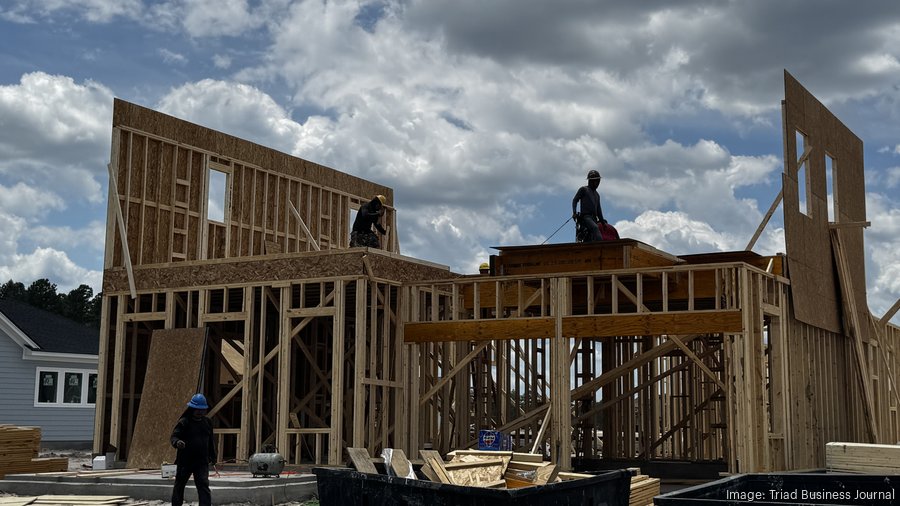
Homebuilders, Realtors and other housing professionals eagerly awaiting JetZero’s arrival in the Triad might want to take a page from the book of Nexton, a massive 5,000-acre live-work community a dozen miles from Boeing’s assembly complex in Charleston.
A Boeing employee looking to build can get $1,500 toward design expenses by signing up under Nexton’s preferred employer program. Cassie Cataline, marketing director for Brookfield Residential development, explained that Nexton provides a digital ad to Boeing for its company intranet’s discounts page, and forms completed there are relayed to builders in the development. If a buyer instead purchases a home that’s already built there, the builder can apply the credit to closing or other costs.
That process seems simple enough, but tracking Boeing’s overall impact there is more challenging. Cataline said Nexton has 92 “reported” Boeing homebuyers, but builders don’t always collect full customer data. And some people don’t want to disclose their employer, she said.
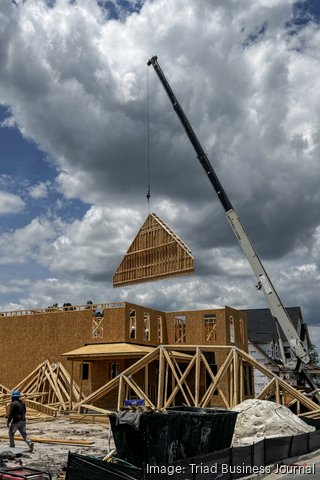
“I will also note that by having hotels, short-term housing, rentals and a wide range of for-sale product, it allows us to get more potential and new employees into the Nexton eco-system as they arrive to start new jobs,” she said. “Assuming they enjoy their time at Nexton, they go on to buy new homes.”
In addition to the incentives, Nexton markets to Boeing employees from its webpage, touting a 12-mile commute down 1-26 as “one short podcast.”
Nexton’s marketing is just one example of how home builders, sellers and brokers tap into Boeing’s undeniable presence, which has influenced the Charleston region’s residential real estate market.
Undeniable, but hard to pinpoint
Pinning down exactly how, though, is hard, even for Ralph Wetherell, a second-generation and 40-year veteran of the real estate industry and broker-in-charge of five-office AgentOwned Realty. The region experiences the general home shortage seen nationally, and is constantly getting more buyers from employers like Boeing but also Volvo and others that are expanding locally, Wetherell said.
The Lowcountry has long had a healthy homes market, Wetherell noted, withstanding the loss of its Navy employment anchor. While the national median existing-home sale price didn’t quite double since the end of 2009, in the Charleston market it nearly tripled from the end of 2009 through this year, from $233,180 to $628,380, according to the St. Louis Fed, using Federal Housing Finance Agency data.
A take-away from a conversation with Wetherall is that the effect is highly dispersed geographically and across price points. The Business Journal spoke with Wetherell at one of his company’s offices in Summerville, a major suburb west of the city proper.
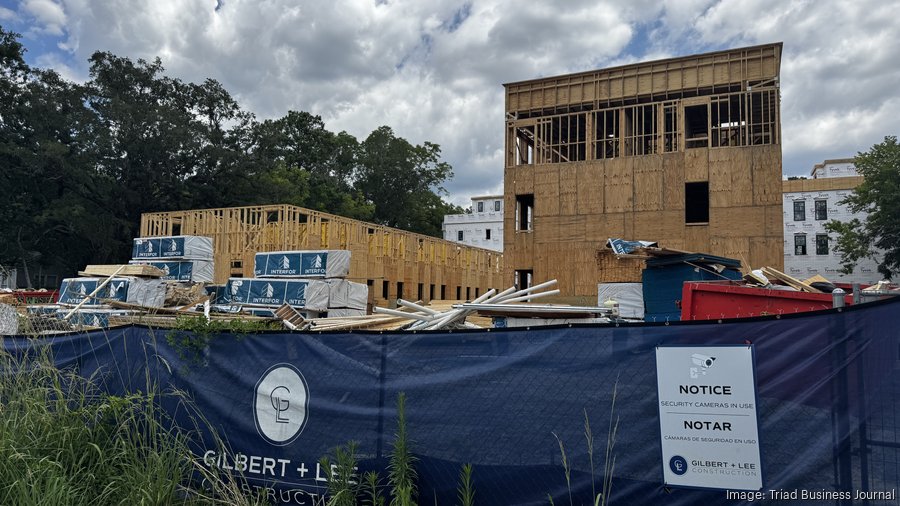
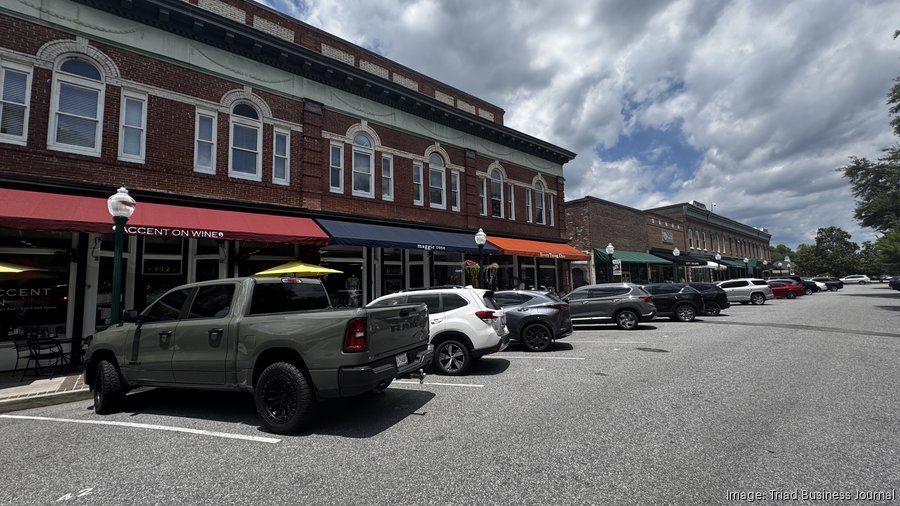
Its downtown has had a renaissance in the past 20 years and is now a mix of repurposed century-old buildings for retail, restaurant and office space, and where luxury condos are going up just off the main street, a reflection of a trend toward denser infill in the region.
Wetherell’s company is part of Boeing’s executive relocation program, and he’s often showing high-level incoming residents around. Several beach, waterfront or historic-area neighborhoods and communities have entry prices at $1 million.
But it’s not just the top brass who are picky. Boeing’s main Charleston-area operation is a 10-minute drive from the Park Circle neighborhood of North Charleston, a sort of planned community for a few generations past that grew up around the Navy base and shipyard. Today, it boasts a rich restaurant and entertainment scene and a mix of mid-century bungalows, condos and rental units in converted early-20th-century factory and warehouse buildings within sight of the Cooper River.
With growth comes traffic
But for many workers of more modest means, a longer commute is inevitable. Many have gone farther out to places like Moncks Corner, the Berkeley County seat about 25 miles from the Boeing assembly complex, or Holly Hill, 45 miles away.
While their commute may be longer in miles, it might be comparable in time for workers closer in due to congestion, Wetherell said. Mount Pleasant, a booming largely upscale community east of the historic district on the peninsula, is linked to Boeing by the I-526 loop, but getting there requires braving a near-daily logjam at the intersection with I-26. Mount Pleasant draws many service-industry workers but they can’t afford to live there, compounding the rush-hour jam.
Mean commute time increased from about 22 minutes in 2009 to 25 minutes in 2024, according to U.S. Census Bureau survey data. That compares to about 22 minutes in the Greensboro area.
Of course, that was the mean two years ago, and much depends on an individual’s timing, distance and route.
“If I leave here today at 3:30 to go eastbound, the traffic coming out of the city and Mount Pleasant is already inching along,” he said.
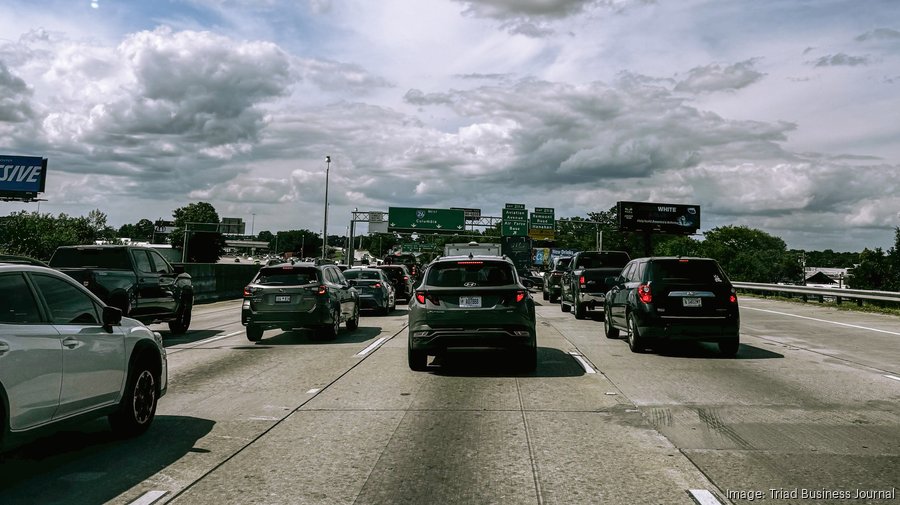
The time spent in transit might not faze Seattle commuters, but it’s a persistent issue in the Lowcountry, and one Wetherell said the Triad would be well served to think about ahead of time.
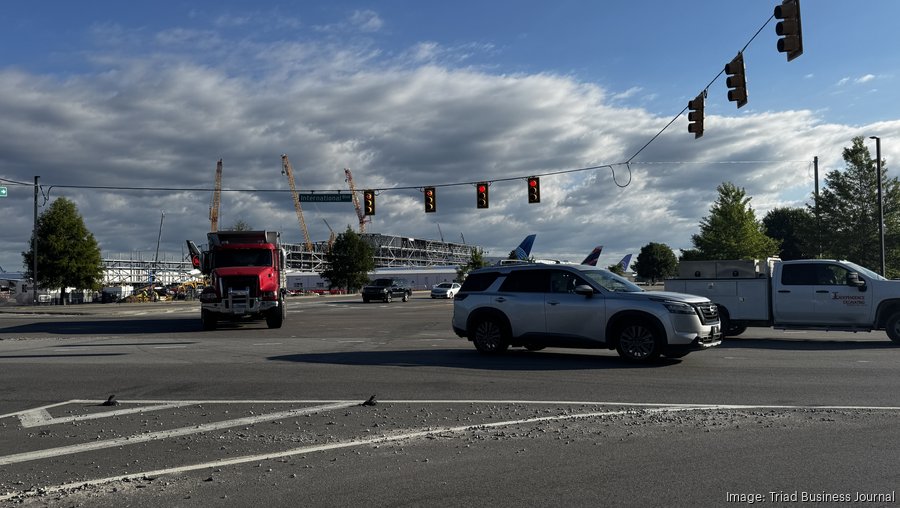
When a particular intersection near the airport became notorious for backups at certain times of day, Boeing agreed to shift-start changes. It also has its own vans for ferrying employees from remote parking lots. But the issue is far beyond Boeing, Wetherell said.
“A metro area that we're approaching a million people: We have missed a boat, in my opinion, on mass transit, trains, buses, you know, just other ways to move around.”
Former TBJ reporter David Hill is now a freelance contributor.