Story Highlights
- Charleston's industrial real estate market grew from 31 million square feet in 2009 to 81.8 million square feet by early 2026.
- Boeing operates three sites in the Crosspoint industrial park near Charleston's airport for research, interior assembly, and composite manufacturing.
- Industrial real estate developers must build flexible spaces divisible into smaller units to accommodate supplier companies that typically grow over time.
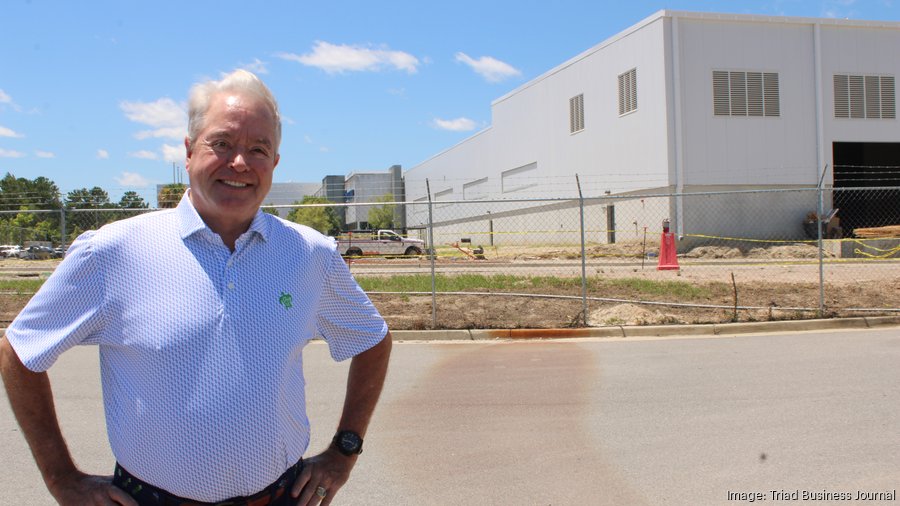
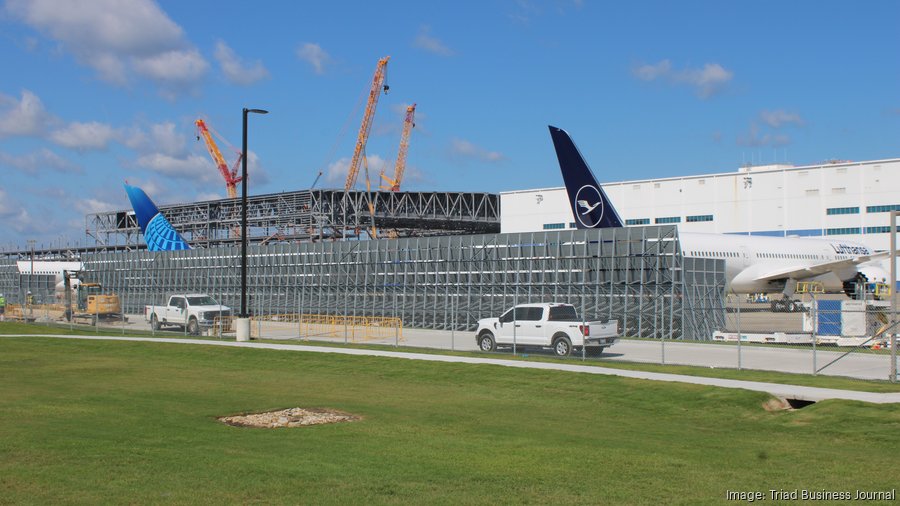
Ask Mike White about Boeing, and he’ll praise not only the company but the site of its assembly campus, impossible to miss for anyone on the way to the airport terminal.
“You just see rows and rows of 787s with all kinds of liveries, meaning the paint jobs of airlines from all over the world. It’s really a fascinating place for anyone who’s interested in aviation, aerospace or manufacturing.”
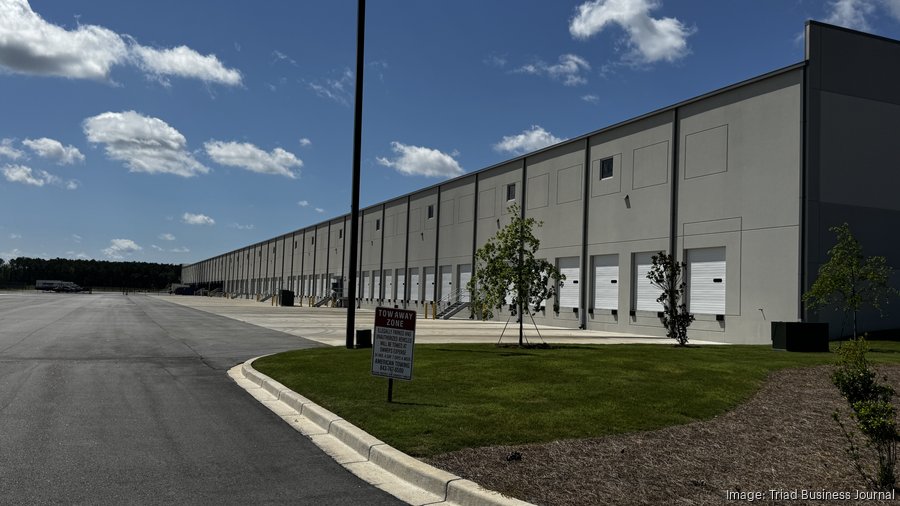
White’s firm, Charleston Industrial, owns office buildings on the exclusive Daniel Island community but lately he’s focused his work on the industrial side, including the Crosspoint industrial park owned and developed by Childress Klein of Charlotte about 10 miles up I-26 from the airport.
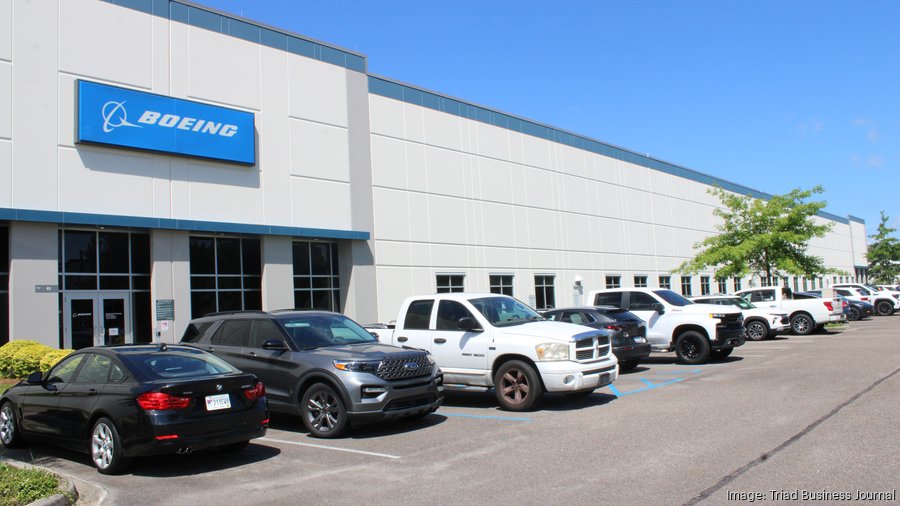
The park has three Boeing sites: a research and technology lab hosting many engineers, a unit that assembles interior components, and a site making parts and components out of composite materials.
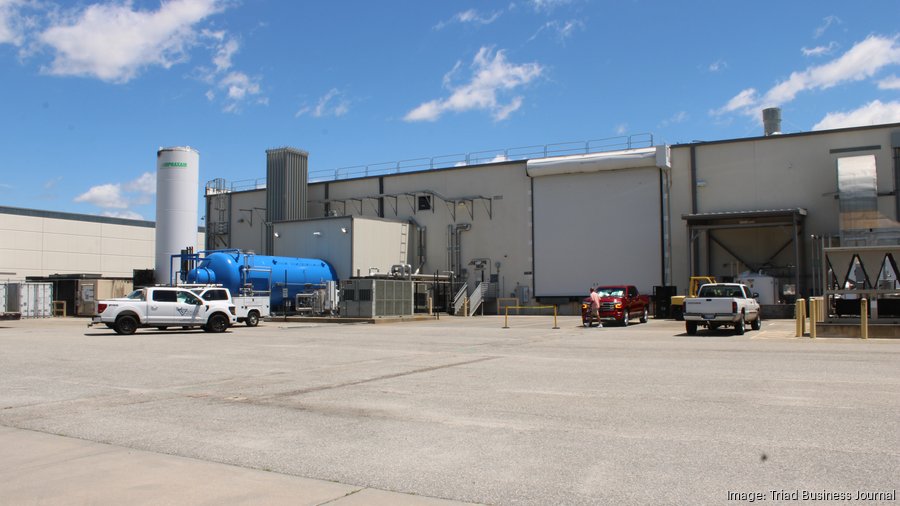
It also has Boeing suppliers, and White is well versed in how they fit into Boeing’s just-in-time logistics Modus operandi. Land close to the runway is dedicated to assembly, but other components don’t need to be on precious airport-adjacent land. Parts, he says, get organized in warehouses and are sent to the Boeing assembly factory in a precise sequence that varies with each 787 variant, such as the -8, -9, or -10.
“Each of those variants gets longer and larger, and so the assembly line has different needs on a daily basis. The engineers will determine what parts are needed, and then they're kitted together and brought to the assembly line, basically in the morning before they're put into the airplane that day.”
While market reports don’t specify users, including Boeing, the area’s industrial sector has boomed since 2009.
The vacancy rate at the end of the first quarter stood at 19.5%, according to Colliers; other research had it lower, such as CBRE’s 13.5%. Colliers and others said that’s declining as the market absorbs pandemic-era overbuilding.
Colliers reported the Class A lease rate slipped 1% to $7.60 per square foot on average.
Crosspoint is barely 10 miles from the airport and Boeing’s assembly site, and most suppliers are concentrated in the Lowcountry. But the S.C. Commerce Department says Boeing suppliers number 200 and are across the state. Boeing itself has a division in Orangeburg, about 75 miles northwest, at a former GKN Aerospace site it acquired in 2024.
For those in industrial real estate, the key is to have flexible buildings ready, White said.
“You might build a 250,000-square-foot building, but you want to be able to divide it down to 30s and 40s, because that's the lion's share of the market demand. So a company that comes in generally that takes 30(K) is likely to grow and need 50(K) or 60(K) someday in the future. You want to be able to have enough buildings where you're always building a fresh one as you fill up what you have.”
Former TBJ reporter David Hill is now a freelance contributor.