Rising seas will add increasing amounts of arsenic to the water that 97% of the country's people drink
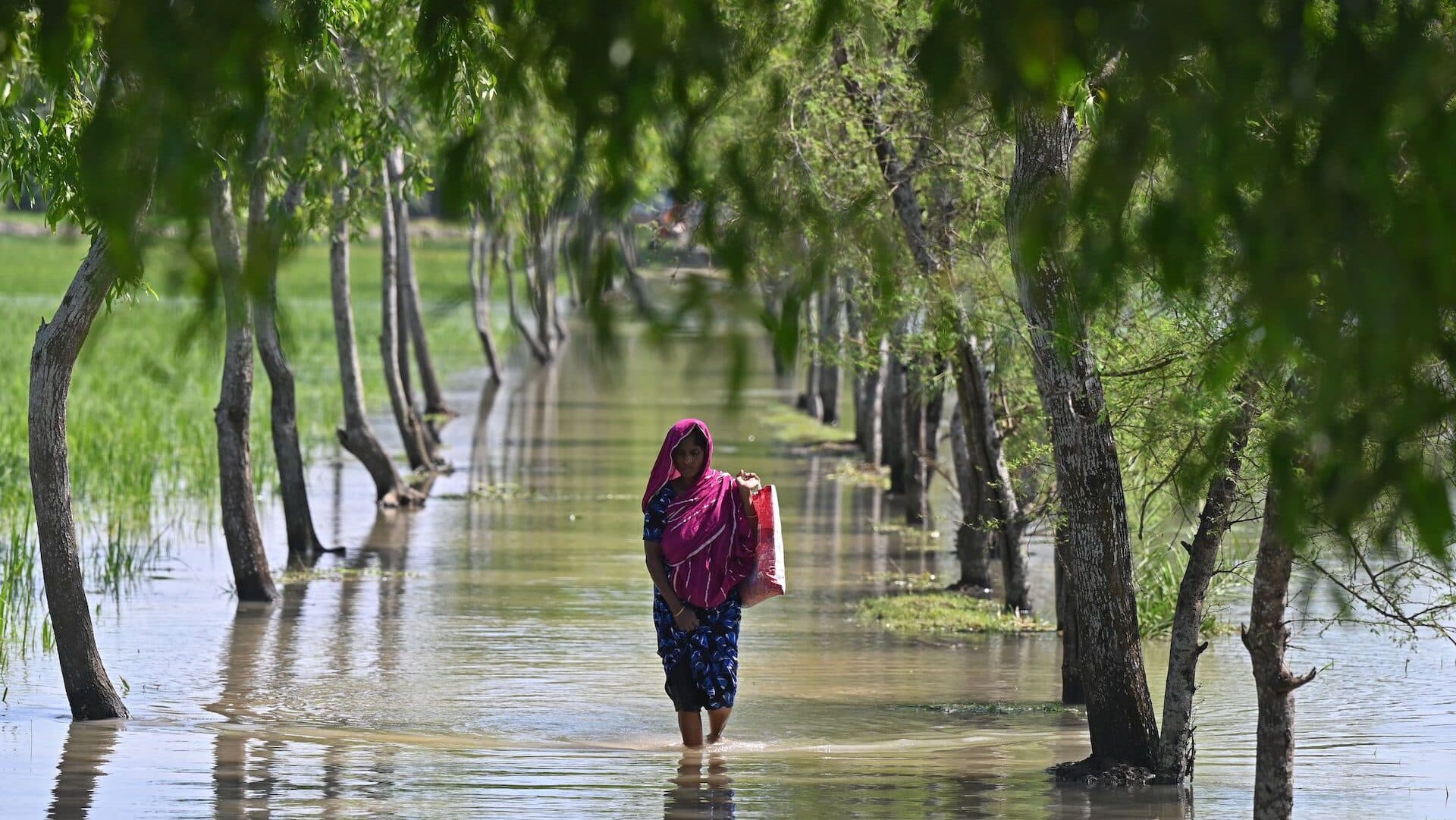
Miami may be sinking but other areas of the world will feel the affects of rising seas far more keenly long before the city floods. A study published Wednesday makes that plain: It finds that rising seas will deposit increasing amounts of arsenic into groundwater supplies in Bangladesh — water that 97% of the population drinks every day — effectively poisoning it.
Bangladesh and its population of 170 million people is on the front lines of climate change and sea level rise. The country lies close to sea level and, in a typical year the seasonal monsoons flood more than 20% of the land, though some years have seen more than half the country under water. Tropical cyclones are also a major and increasing problem, producing as much as 30 feet of storm surge to the coast.
Beginning in the 1970s, the United Nations and other organizations began a major project to install around 10 million drinking water wells across Bangladesh; before that, surface water was the primary source for most people, but today almost everyone gets water from those wells.
The safety of that water is already a problem. Today, just under half of all the country's area contains groundwater with arsenic concentrations above the World Health Organization's safety threshold of 10 micrograms per liter.
"This new and very large exposure to arsenic in Bangladesh's drinking water is increasing the rates of death and disease from skin, bladder, liver, and lung cancers and vascular disease," wrote study authors led by Seth Frisbie of Norwich University in Vermont. "This is a public health crisis."
It is a crisis likely to get worse. The researchers examined the chemical processes involved when the salty sea water encroaches on groundwater supplies; this involved a national-level survey of collected well water samples. Their results were published in the journal PLoS One.
They found that two separate chemical processes known as reduction and the salt effect will add more arsenic to groundwater as the sea level rises and flooding grows worse.
The result offers a stark demonstration of climate change in action. Most of us can imagine sea level rise — the water lapping at a city's doorstep, for instance, or washing away a beach home. But this shows sea level rise has consequences that will occur much sooner, especially in places where poverty and water insecurity are already the norm.
"This increased exposure to arsenic is expected to increase the rates of death and disease from chronic arsenic poisoning," the authors concluded.