The new findings add to the mountain of evidence showing Greenland's ice is in dire straits
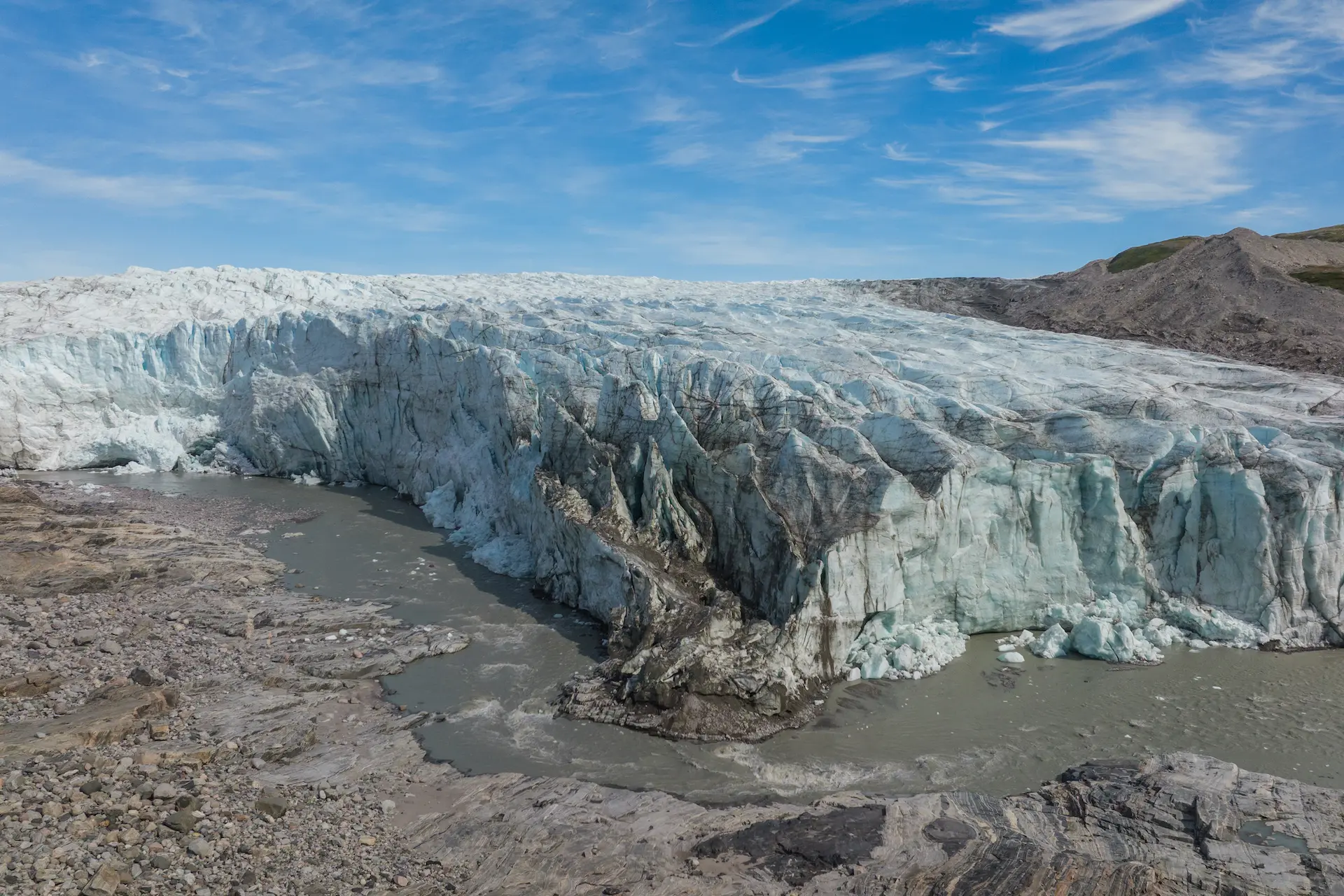
The Greenland ice sheet has lost far more ice than previously thought thanks to climate change, according to a study published in Nature. The new research shows that the retreat of glaciers at the edge of the sheet has been underestimated, and the total ice loss could be as much as 20% more than we thought.
"What we uncovered is another layer of nuance to a story we already knew," said Chad Greene, of NASA's Jet Propulsion Laboratory and the new study's lead author. "What surprised [us] was just how widespread the glacier retreat has been over the past few decades."
The researchers used a combination of manual and AI-derived satellite measurements of the edges of glaciers around Greenland between 1985 and 2022 to calculate how "calving-front retreat" — which means how much ice is lost by pieces breaking off the glacier — contributes to overall ice loss. In total, they used more than 236,000 such measurements; other methods of calculating ice sheet loss fare poorly near the edges of the sheet, the authors wrote, and don't tend to incorporate the retreat of the glacial fronts.
They found that the retreating glaciers made the ice sheet lose just over 5,000 square kilometers of area since 1985, an area larger than Rhode Island and a bit smaller than Delaware. That corresponds to a total of 1,034 gigatons of ice that had previously been unaccounted for.
A gigaton is equal to one billion metric tons, meaning the sheet has lost more than one trillion metric tons of ice — one trillion more tons than the best estimates before. A single gigaton would cover New York's Central Park and be almost as tall as the Empire State Building.
The results are, obviously, bad news for the melting ice sheet. "If the ice sheet were anywhere close to being in balance, we’d expect some glaciers to be advancing while others retreat," Greene told The Messenger. "But instead, what we found is that nearly every glacier in Greenland has retreated since the turn of the millennium."
This joins the host of bad ice news that poured forth from scientists in 2023, from accelerating Antarctic melt to approaching Greenland tipping points. Greene said that the glacial front retreat they documented hasn't had a substantial impact on sea level rise, but "could play a critical role in ocean circulation and Earth’s energy imbalance, while priming the ice sheet for more changes to come."
- The Greenland Ice Sheet Is on the Brink of Melting Completely. But There’s Still Time to Save It
- Greenland Ice Cores Reveal ‘Frightening’ Vision of How High Sea Levels Can Rise
- Some climate change impacts – melting ice sheets, disappearing rainforests – will happen no matter what we do
- This Was a Terrible, Horrible, No Good Year for Polar Ice
- Earth’s Ice Is Almost Certainly Doomed
- Startup Ships ‘Slow Melting’ Ice for Cocktails From Greenland to United Arab Emirates