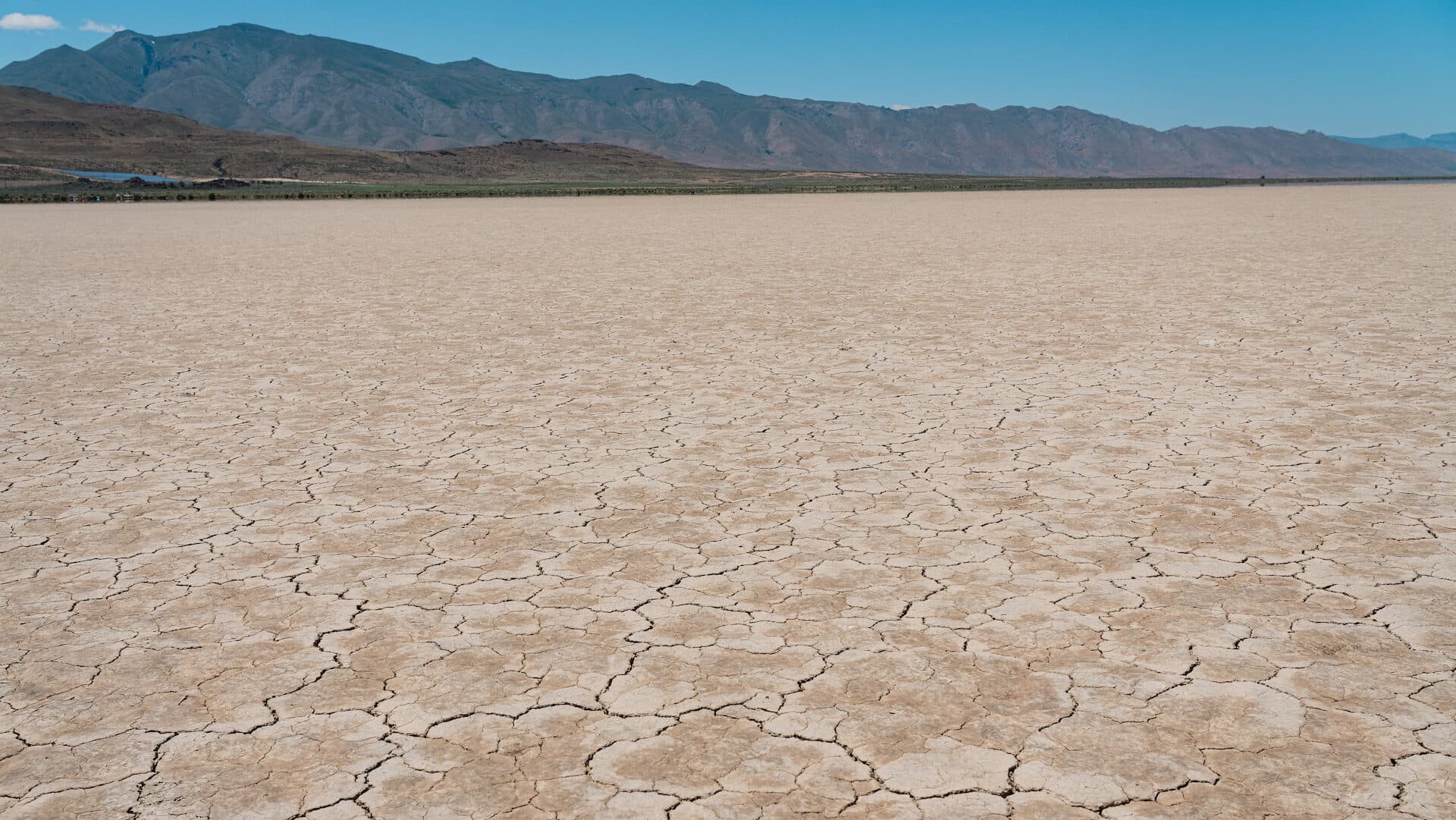
Many of the world's underground aquifers are drying up, threatening the global groundwater supply, an essential resource for homes, farms and industry. And the problem is accelerating — over the last few decades, as the climate warms and natural stores of water in the ground are overdrawn or mismanaged, the world's groundwater is running out. That's the main takeaway from a study published in Nature on Wednesday.
"We were surprised by the findings here," said University College London researcher Richard Taylor, who is a co-author on the study. "The details of the story of groundwater depletion globally were not previously known."
Taylor explained to The Messenger how past attempts to assess global groundwater supplies had used satellite data to make estimates. So for the new study, he and his team analyzed data from some 170,000 wells drawn from 1,700 aquifers (an underground store of water). That's about 75% of all groundwater withdrawals worldwide, according to the study.
In 36% of the aquifer systems, the groundwater level declined at a rate faster than 10 centimeters a year. Meanwhile, 12% of the groundwater stores were dropping at a "rapid" rate of 0.5 meters a year or more.
In turn, the rate of decline is speeding up. The researchers compared hundreds of aquifers past and more recent rates of decline, and found 30% had accelerated since 2000 compared to the previous 20 years. That's more than twice as many as Taylor and his team calculated would happen by random chance.But not every aquifer in the world is drying up. The groundwater level became shallower — meaning, more water filled up the aquifer — by at least 0.1 meters per year in 6% of the water supplies studied. Only 1% saw a rapid increase in water level.
These aquifers appear to have refilled for a few major reasons, including reductions in groundwater withdrawals and intentional aquifer recharge programs, like the one underway at Arizona's East Salt River Basin. This shows that all is not lost, Taylor said, and we can try to replenish the aquifers.
"Exploited aquifers require more careful and informed management so that groundwater-storage declines can be reduced and even reversed," Taylor said. Overall, the study shows that the long-term declines of an aquifer are "neither universal nor inevitable" with some places like Thailand using specific policies to undo some of the previous losses.
The most at-risk aquifers are in drier areas and agricultural regions without much rainfall. Climate change adds pressure by raising temperatures and increasing water usage, though even that is not universal — some places will see fewer but heavier rainfall events, which could help replenish groundwater supplies, especially in tropical and sub-tropical regions.
"Given dependence on groundwater, especially in cultivated drylands for irrigated food production and drinking-water supplies, policy-based reversals are challenging to implement," Taylor said. "But our study shows that they can work now and in the future."