A new report adds some weight to the animal origins of the pandemic and demonstrates the complex ecology behind viral transmission between animals and people.

Scientists investigating the origin of the pandemic reported Thursday that they had found genetic data from a market in Wuhan, China, that adds evidence supporting an animal origin for covid.
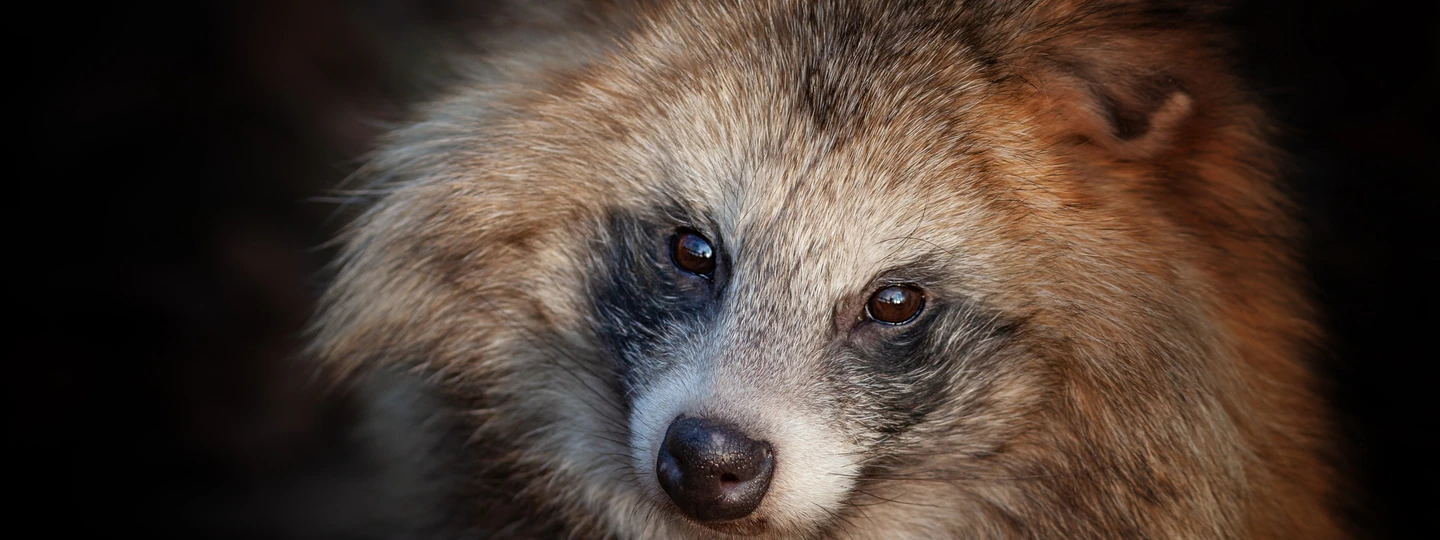
The result, first reported by The Atlantic, suggests that a raccoon dog — a small animal related to foxes, native to East Asia and known to be illegally trafficked at the market — may have been infected with SARS-CoV-2 (the covid-19 virus) and potentially capable of spreading it.
The raccoon dog now joins a long list of animal species known or suspected to harbor covid, including bats, minks and deer, and highlights the complicated ecology at play when it comes to virus transmission and spillover. An infected raccoon dog in Wuhan, the center of the original outbreak, could have acted as a secondary reservoir or intermediate host, a sort of subcontractor for viral transmission for the horseshoe bats many experts still believe to be the most likely original source.
This potentially complicated transmission pathway is a remarkably common occurrence in the animal kingdom.
“It happens all the time,” said Christine Petersen, a professor of epidemiology and director of the Center for Emerging Infectious Diseases at the University of Iowa. The new report, which is based on a study that has neither yet been publicly released nor peer-reviewed, does not definitively answer the still-swirling questions surrounding covid’s origins. But it does offer another look at the delicate interplay between animal hosts and viruses in a world where humans continue to encroach on the wild.
Horseshoe bat meets raccoon dog?
The adorable raccoon dog might be making the news, but bats remain the more likely primary host of covid-19. Bats are known to be excellent at harboring a wide variety of coronaviruses, generally without ever getting sick from them. That ability to play host without suffering ill effects is what makes them a “primary” reservoir.
“No signs of disease, pumping out viruses to the world — that’s a primary reservoir. That is a classic definition,” Petersen said.
And though the bats — most likely horseshoe bats, a family of about 106 species with a horseshoe-shaped nose-leaf that aids in echolocation — may have been happily harboring the virus for some time, jump-starting a global pandemic wouldn’t necessarily require contact with humans. Secondary hosts are animals that can also contract a virus but then show signs of disease, perhaps making them more likely to shed viral material in a way that could spread to people.
So how did covid-19 potentially end up in a raccoon dog in a cage in Wuhan?
“We’re not 100 percent sure that the interaction between the bat and the raccoon dog even happened in the market,” Petersen said. “It’s possible it happened at a farm site, and then [the raccoon dog] got shipped, and then the raccoon dog in that stressed-out state then had that virus amplify and [it] went across the market that way. We don’t know.”
In the early days of the pandemic, scientists considered other animals as possible bridge species between bats and humans. They included pangolins, the scaly mammals at the center of the global illegal wildlife trade, though they were eventually let off the hook.
Viral stepping stones
There are plenty of examples of the multistep process of viral transmission. For example, the dangerous Nipah virus, depicted with some editorial flourishes in the 2011 movie “Contagion,” has been known to spread from primary host fruit bats into pigs, who then have passed it along to humans. The virus that caused MERS — a relative of SARS-CoV-2 — shared a similar path, going from bats to camels before making it to people.
And it’s not just viruses. Lyme disease, caused by bacteria, also has a complicated ecological web that keeps the disease relevant. Its primary reservoir is likely the white-footed mouse, which carries the relevant disease-causing spirochetes but does not get sick itself. Tiny ticks feed on the blood of those mice and then move on to bite other mammals, most notably the white-tailed deer. The deer do show some symptoms of Lyme disease, but most importantly, they can move a lot farther and faster than mice or ticks can — so they can spread it to other ticks in other places, and so on. But the mouse, with its ability to act as a conduit for the Lyme bacteria, is the keystone species driving the broader cycle of infections.
“The mouse, then, is what keeps it in the environment,” Petersen said. “It’s what providing it to the ecology.”
Another concerning example right now is avian influenza, known as H5N1. The virus is known to be infecting more and more migratory birds, which sometimes may set down from their voyages among flocks of chickens or other fowl, which can pass it along to humans. There is evidence that the birds are giving it to other mammals as well, like seals and sea lions.
“As H5N1 infects more species, it also increases its geographical range and produces more viral variants that could have new biological properties,” wrote University of Colorado researchers Sara Sawyer, Emma Worden-Sapper and Sharon Wu, recently.
The same concern has come up for covid. After the initial transmission event, whether bat-raccoon dog-human or by some other method, SARS-CoV-2 has spread widely among animals ranging from pet cats and dogs to captive gorillas and lions and leopards, monkeys, armadillos, and more. Some of particular concern have included mink, leading to massive culls of the animals in Denmark in particular, and white-tailed deer, which, when they’re not running around with Lyme disease spirochetes, seem to have managed to become very effective harbors for the coronavirus as well. The more animals that have the virus, the more opportunities for mutation, and the more chance it might jump back to humans in somehow worse form.
A confused picture
Again, the new reporting on the raccoon dog is far from a definitive answer for covid’s origins. The data it is based on was posted to an international virus database called GISAID but was quietly removed sometime later; further, there may have been other animal DNA mixed in with the raccoon dog material. There is definitively no smoking gun, an actual genetic sample from a specific animal that tests positive for covid.
But the genetic sequences “and knowing that it comes from an animal in that market in a specific place where we know there were other creatures that were positive and … that there were, epidemiologically, people who were in that area that then became positive” paint a compelling portrait of the virus’s potential origins, Petersen said.
Knowing what we do about the complicated ecological interplay between viruses and primary and secondary hosts, the details of the pandemic’s tangled origins may never get unraveled.
“Chances are at this point, three years out,” Petersen said, “we’re never going to know exactly how that happened.”
Thanks to Brett Zach for copy editing this article.