There isn't a place on Earth that is free of plastic.
In a study published on Wednesday in the journal PLOS ONE, researchers show that microplastics can accumulate inside animals that live in the pristine Galápagos islands, and in particular, in the iconic Galápagos penguin.
"With microplastics emerging as a prominent ocean pollutant, entering the environment every day, there is a growing concern for marine fauna and coastal wildlife," said Karly McMullen, of the University of British Columbia and the study's lead author, in a statement.
McMullen and her team collected data from a site visit to the Galápagos in October 2021, taking samples of seawater, penguin scat [feces] and other environmental sources. They then used computer modeling to trace how microplastics can accumulate through the food web.
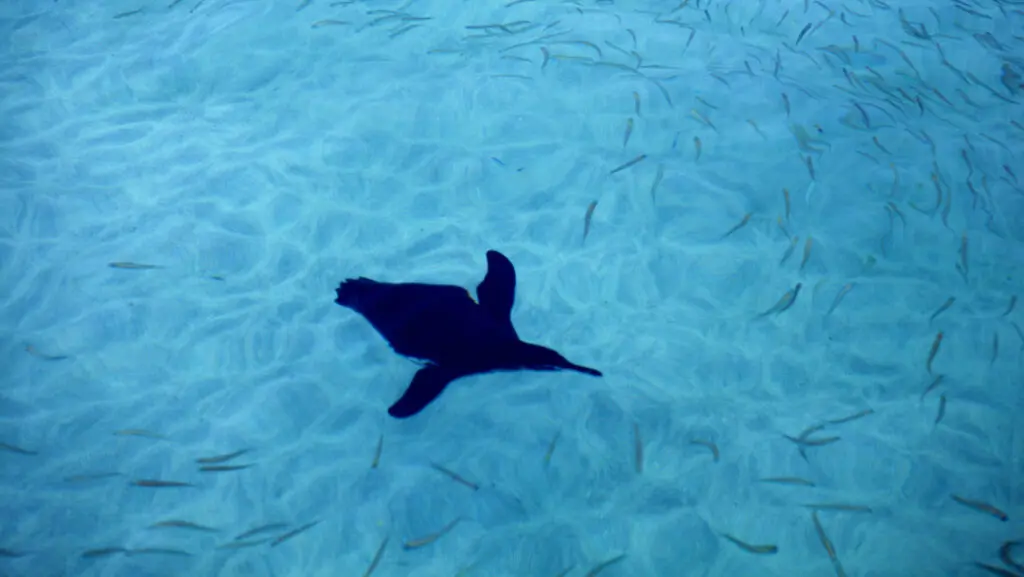
They found microplastics accumulate in many species until around the fifth year of an animal's life, at which point its seems like the amount of plastic begins to plateau. When taking the mass of the animals into account, the Galápagos penguin showed the highest rate of plastic accumulation, followed by barracuda, then smaller fish like anchovy and herring and finally predatory zooplankton.
The study didn't get into the specific effects on the penguins and other organisms that plastics may have, but there is evidence that micro- and nanoplastics can enter animals' blood stream, infect their hosts with harmful bacteria and potentially pass through various tissues in the body.
The new study adds to the growing mountain of evidence showing the sheer extent of microplastics pollution across the world. There is even evidence that the tiny bits of plastic are present in the clouds above our heads.
"Plastic pollution may also affect the public health of human residents inhabiting the islands," said Félix Hernán Vargas of the Peregrine Fund in the Galápagos and a study co-author. "As a global threat to ecosystems, global remedies are required to solve it."