After turbulent early years marked by addiction, Carol Burnett's youngest daughter, Carrie Hamilton got sober and went on to enjoy a close 20-year relationship with her mother. But at 38, Carrie was diagnosed with lung cancer in 2001. At the time of her diagnosis, they were collaborating on “Hollywood Arms,” a play about Burnett’s early life.“
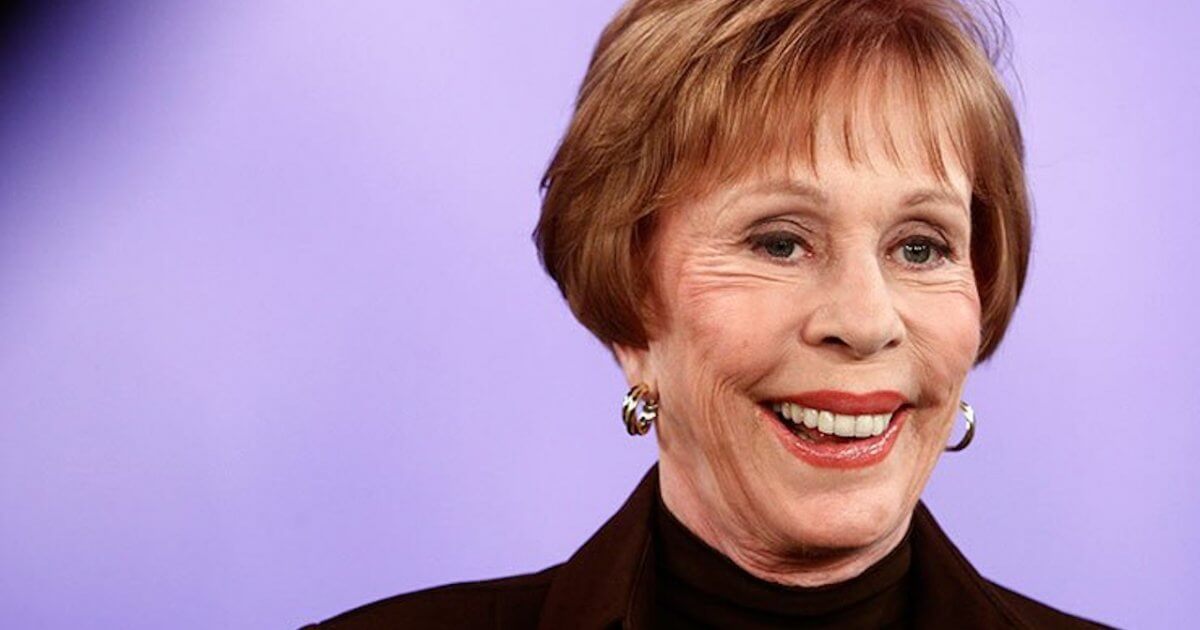
“In the hospital, she said, 'Every day I wake up and decide, today I’m going to love my life.' And that was her mantra,” the comedy legend told AARP. That mantra continues to inspire her mother today.

“You don’t get over it, but you cope,” Burnett told People in 2018. “What else can you do? When Carrie died, I didn’t want to get out of bed for a while, but I had a play to finish that we started that Hal Prince was going to direct. I owed it to Carrie, and I owed it to Hal.”
Carrie Hamilton was Burnett’s daughter with her ex-husband, Joe Hamilton, who wrote “I’m So Glad We Had This Time Together,” the closing song on The Carol Burnett Show. He, too, died of cancer in June of 1991.
Smoking and Lung Cancer
Although 20% of lung cancer cases in the U.S. occur in non-smokers, according to the American Cancer Society, smoking remains the leading cause of lung cancer in the United States.
The tobacco in cigarettes is a carcinogen that causes mutations in lung cells and enables the growth of cancer. In fact, about 80% of lung cancer deaths are caused by smoking.
And several thousand other lung cancer deaths are caused by exposure to secondhand smoke. The good news is that if you quit smoking, your risk for lung cancer decreases.
“If you’re smoking, don’t smoke,” says Dr. Joseph Friedberg, Head of Thoracic Surgery at the University of Maryland School of Medicine. “You never return down all the way to the [level of] the person who never smoked as far as your risk of lung cancer goes, but it goes down with time.”
Advances in Lung Cancer Treatment
Immunotherapy shows promise in the treatment of lung cancer, says Dr. Brendon Stiles a thoracic surgeon at Weill Cornell Medical Center.
“It’s not just hype, immunotherapy is here to stay and it’s really changed the face of lung cancer, just like targeted therapies,” Dr. Stiles said.
“It’s amazing to me now that you can have stage 4 lung cancer and actually not even need chemotherapy. If you have high-expression of a protein that we know is targeted by immunotherapy, you may just get immunotherapy alone. That’s really changed the paradigm in lung cancer.”
Don’t Be Ashamed To Check Symptoms
Lung cancer patients are often diagnosed late, after the cancer has spread to other parts of the body. Some people feel shame and guilt about smoking so they don’t go to a doctor when they first notice symptoms, according to Fred Hutchinson Cancer Research Center. Other times, symptoms may not appear until the disease is advanced. What should you watch for?
- A cough that doesn’t go away or gets worse
- Chest pain that gets worse when you breathe deeply, cough or laugh
- Hoarseness
- Shortness of breath
- Feeling tired or weak
- Infections like bronchitis or pneumonia that won’t go away or keep coming back
- Coughing up blood
- Wheezing
- Weight loss and loss of appetite
Constance Costas is a writer for SurvivorNet.