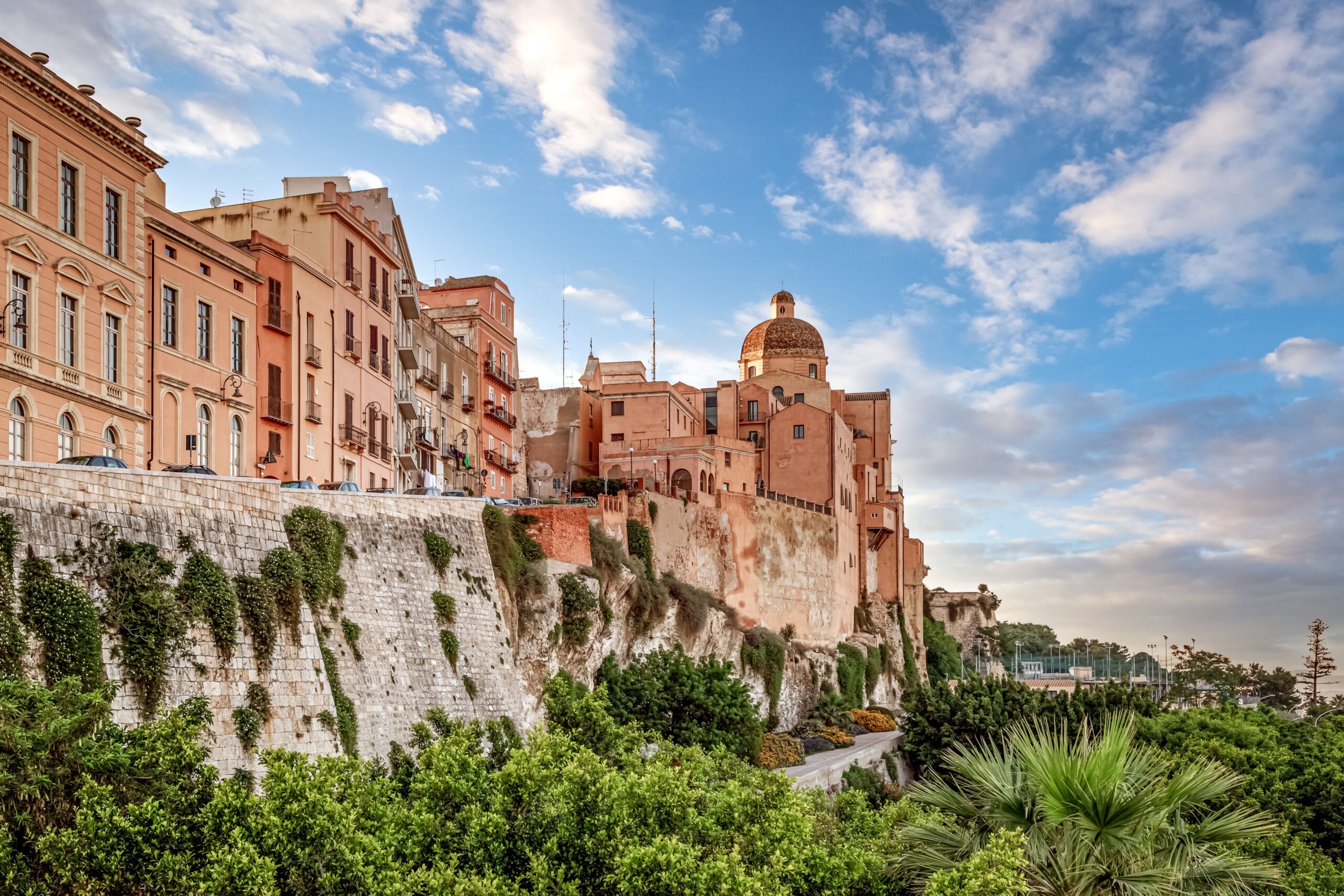
From charming coastal towns to small fishing villages, the islands in Italy offer more than just postcard-perfect beaches to soak up the sun. They reveal a slower, more relaxed side of the country where fresh-from-the-boat seafood takes center stage and cobbled streets dotted with outdoor cafes lead to the sea. Whether you’re drawn to Sicily’s volcanic terrain, Capri’s glamour, or the laid-back vibes of Elba and Ponza, there’s an island in Italy for every kind of traveler.
Introduction to Italy’s islands: a brief overview
With over 400 islands spread across the Tyrrhenian, Adriatic, and Ionian seas, Italy’s island landscape is as diverse as it is scenic. Some of the more popular islands in Italy are well-developed with bustling ports and resort towns, while others are remote and crowd-free. Some are so off-the-grid that they’re only accessible only by boat.
The diversity and wonders of Italy’s archipelagos
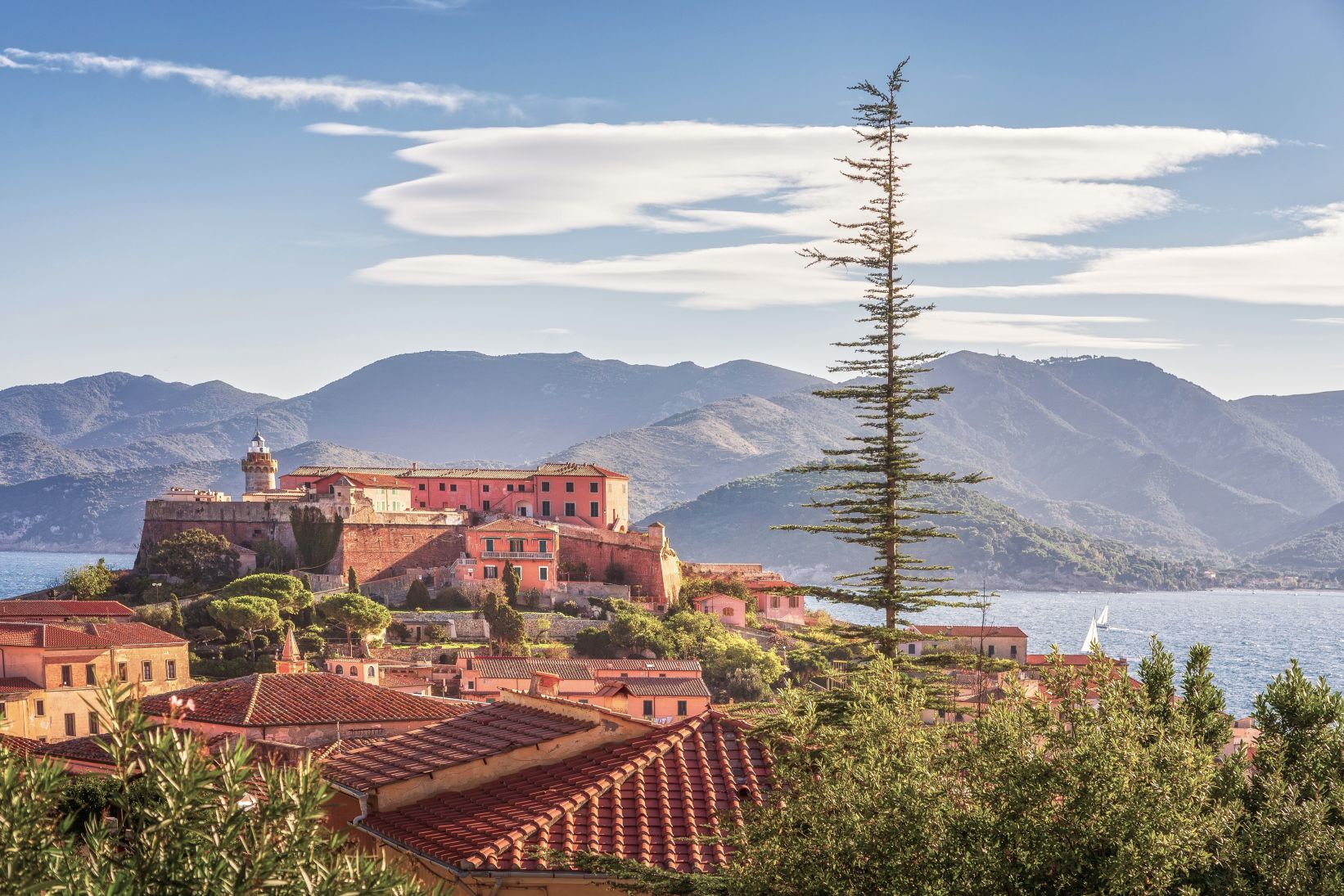
Italy’s islands are grouped into seven main archipelagos. The Aeolian Islands, north of Sicily, are known for active volcanoes and dramatic coastlines, while the Pontine Islands near Rome offer a laid-back setting where you can unwind. The Tuscan Archipelago offers incredible scenery near the mainland, but if you’re after seclusion, you can’t beat the Pelagie and Tremiti Islands, which boast clear waters away from the crowds.
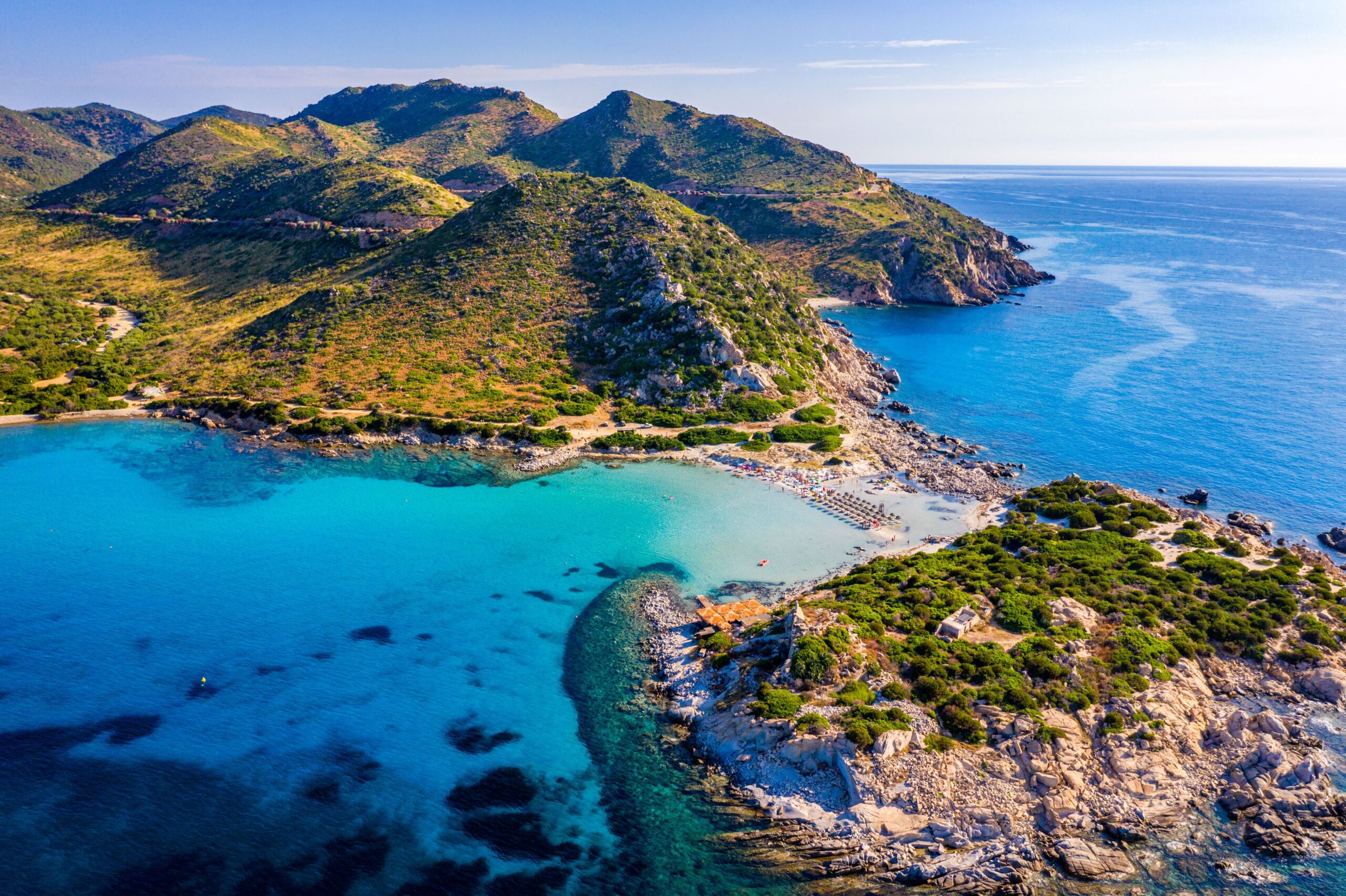
The terrain on the islands vary, from the granite cliffs in Sardinia to the black sands of Stromboli. Some archipelagos are a hotspot for outdoor adventures, such as hiking, diving, and boat rides, while others are known for their photogenic villages and charming piazzas that offer a true glimpse of island life in Italy.
Exploring the famous Italian islands
Capri: the crown jewel of the Mediterranean
Sicily: the largest Mediterranean island
Sardinia: the emerald gem
Ischia: Italy’s green island
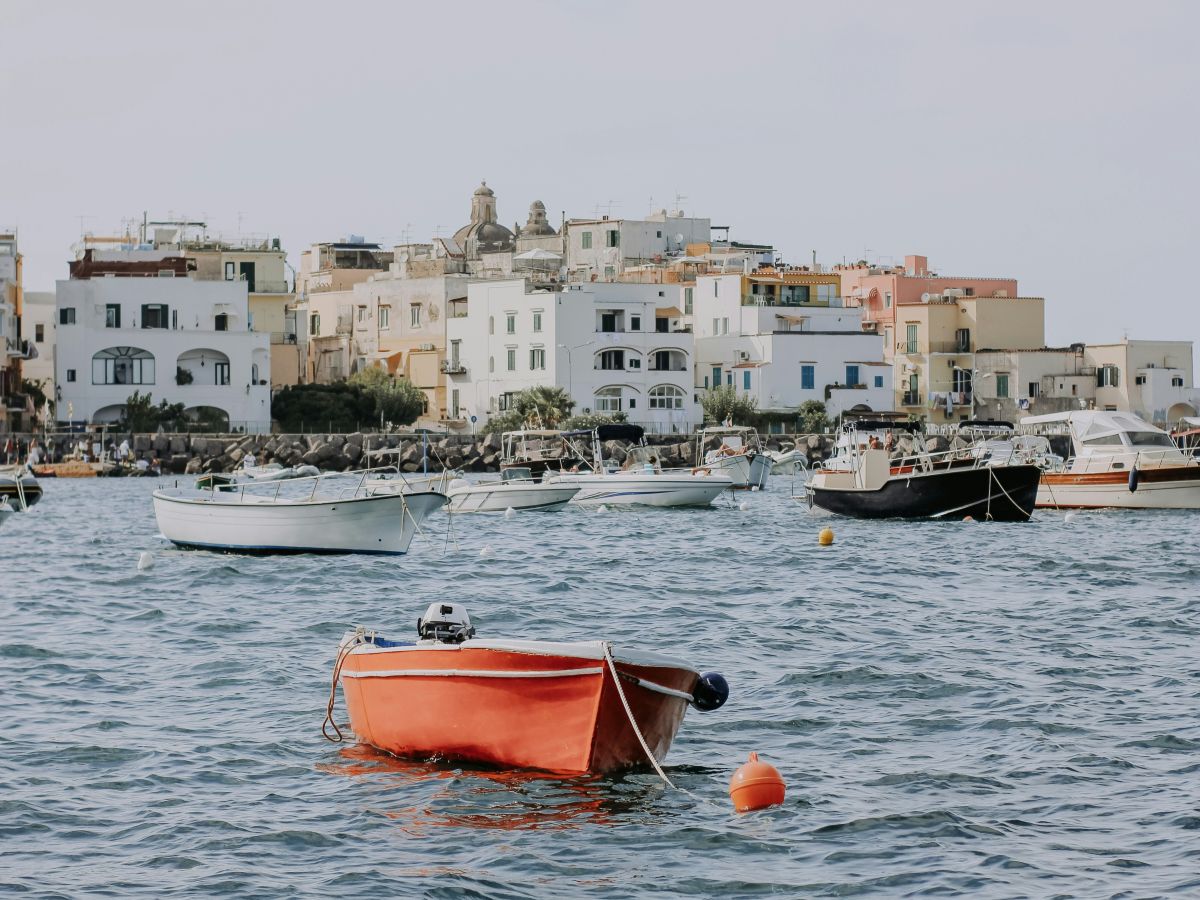
Ischia is seen as Capri’s more relaxed and accessible neighbor. Located in the Bay of Naples, this “green island” boasts thermal springs, lush landscapes, and sandy beaches. The ancient Greeks were among the first to soak in its mineral-rich waters, and today, wellness culture remains a big part of life here with indulging in spa treatments a popular past-time.
The Aeolian Islands: a volcanic paradise
Unveiling lesser-known islands in Italy
Aegadian Islands: tranquility redefined
The Pelagie Islands: untouched beauty
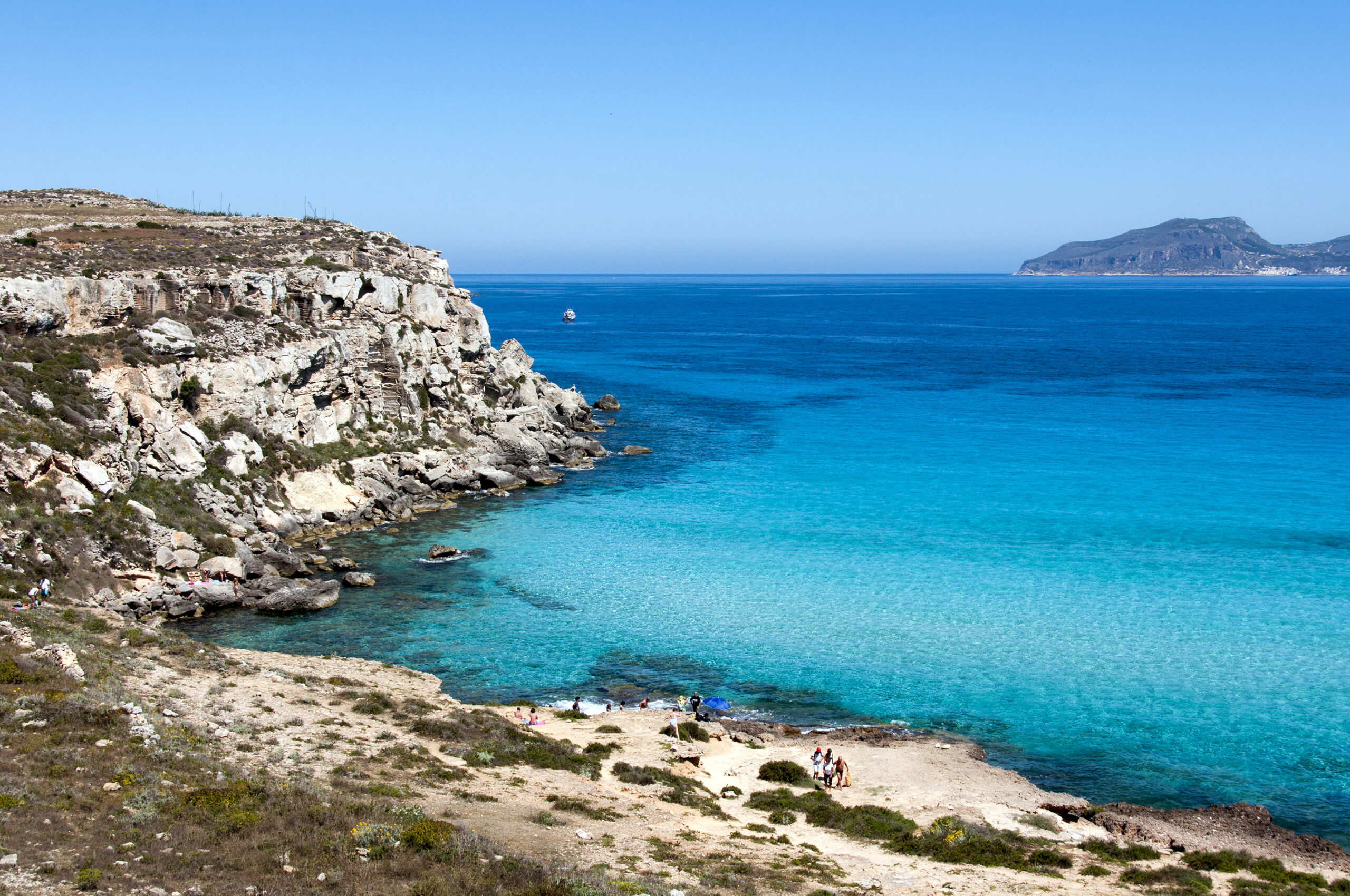
Rabbit Beach on Lampedusa often ranks among the world’s best, and Linosa’s coastline is popular with snorkelers and divers. Few travelers make it this far south, but those who do are rewarded with incredible scenery that rivals the Mediterranean.
The Tuscan Archipelago: where culture meets nature
Ponza and Ventotene: the Pontine secrets
The Tremiti Islands: the Adriatic’s hidden gem
Exploring the islands of Italy: practical travel and planning tips
Best times to visit: guide to local weather and seasons
Navigating islands in Italy: transport and accessibility tips
Ferries and hydrofoils are the primary way to travel between Italy’s islands, with major departure points in Naples, Palermo, Milazzo, Livorno, and Piombino. It’s advised to book your tickets in advance during peak season, especially if you’re heading to popular destinations like Capri or the Aeolian Islands.
Once there, smaller islands such as Procida, Venice Lido, and Ponza are best explored on foot, by bike, or by scooter. On larger islands like Sicily or Sardinia, renting a car gives you more flexibility to explore. If you plan to island-hop, check the weather forecast because strong winds can delay or cancel boat services, even in summer.