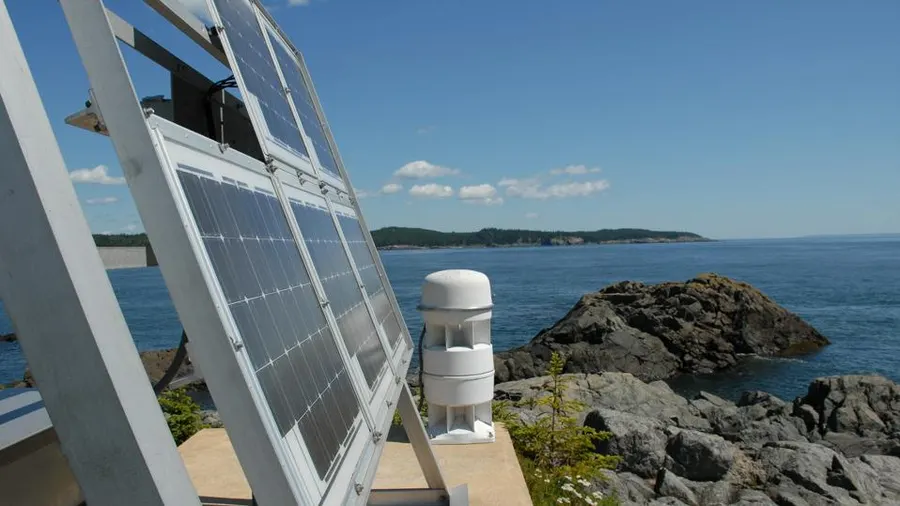
Maine may not be the sunniest state in the U.S., but that doesn’t stop Vacationland residents from reaping the benefits of home solar panel systems. In fact, Maine’s average of 100 sunny days annually helps many of its solar-generating households save thousands on energy expenses each year.
If you’re a Mainer considering a switch to solar power, you can take advantage of a number of tax credits, rebates and other incentives offered by the state of Maine and the federal government. In this article, we’ll break down the biggest Maine solar power incentives to help you determine if solar panels are the right move for your home.
Maine Solar Tax Credits, Incentives and Rebates Breakdown in 2024
One of the best ways for Mainers to save on a solar panel installation is to research all the Maine solar incentives they may qualify for.
Efficiency Maine PACE Home Energy Loan
The Maine Efficiency Trust offers relatively inexpensive Property Assessed Clean Energy (PACE) loans to help homeowners finance a new solar energy system. Systems must be installed by vendors registered through Efficiency Maine, but benefits include:
- System ownership from day one
- No fees
- Interest rates as low as 5.99%
PACE loans are ideal for homeowners who don’t want to make a large, upfront investment or lease a system. PACE financing adds to your monthly property tax bill, but the amount that solar panels save homeowners on utilities should offset this increase. Maine residents can apply for a PACE loan on Efficiency Maine’s website. The agency will walk you through each step of the process if you qualify.
Maine Property Tax Exemption
Upgrading your home with solar panels may increase its value. Increased property value typically comes with higher property taxes, but Maine will waive any such increases that result from installing solar energy equipment. Residents must apply in advance for the state’s approval to qualify for the exemption.
Those who finance their systems do not qualify for the ITC. The credit is set to decrease to 26% in 2033 and again to 22% in 2034. It is currently not set to renew after 2034.
Note: The ITC is a non-refundable tax credit. Depending on your overall tax liability, you may only receive a portion of this credit. Work with a tax accountant to understand how a solar panel tax credit will impact your finances.
Most Maine solar buyers will stay connected to the power grid as a backup energy source. This connection allows solar owners to sell the extra electricity that their systems produce back to their utility companies as a part of Maine’s Net Energy Billing program.
In exchange, utility companies give solar customers energy credits at their utility’s full retail value. These credits can be used to pay for future electric bills for times when you need to rely on the grid, such as at night or on cloudy winter days.
In addition to the statewide and federal incentives above, you may be eligible for more local solar rebates in Maine that vary by utility company. Research all Maine solar rebates you may be eligible for via the Database of State Incentives for Renewables & Efficiencies.
The average cost of solar panels in Maine is $3.33 per watt or $19,980 for a six-kW system. After applying the federal tax credit of 30%, this total drops to just $13,990 . Factors such as the size and location of your home, your household energy consumption habits, the orientation of your roof, labor, permits and the panel brand you choose can all impact your overall costs.
If you want to keep installation costs down, shop around with some of the best solar companies in Maine to compare quotes. Look for the right balance of cost, reliability and performance to get the most bang for your buck.
Most solar panels can last up to 30 years, and most solar owners in Maine pay off the cost to install their systems in a little more than eight years. After that, the panels generate electricity at no cost, putting thousands of dollars back in your pocket over time.
Traditional electricity rates fluctuate with demand. If you’re relying on solar power, you won’t have to worry about price hikes. Not only that, but a system with solar batteries or a solar generator can keep your home electricity running even during a power outage.
For many Maine homeowners, it’s worthwhile to go solar. As in many U.S. monthly utility costs in Maine are significant at $99.44 per month for energy. However, the upfront investment for solar equipment can also be steep, so you should weigh the cost of installation against the savings you’ll experience on utility bills.
Mainers can take advantage of several federal, state and local incentives and may even make money by participating in net metering. If you plan to sell your home at any point, solar panels can also increase your property value.
Nick has seven years of experience in the home improvement industry. He started his career marketing for dozens of flooring providers and related home services across North America. Today, he is a freelance writer and regular contributor to several publications specializing in home topics. Nick’s work includes DIY guides, informational articles and financial content, all of which aim to demystify unfamiliar subjects for homeowners and build their confidence.
Kristin is a deputy editor at Forbes Home and has nearly a decade of professional experience as a writer and editor. She's previously worked at sites like Talking Points Memo, Insider, Delish, Angi and HomeAdvisor. She has a passion for lifestyle topics and has extensive experience researching and reporting on topics that will help make your house a home.