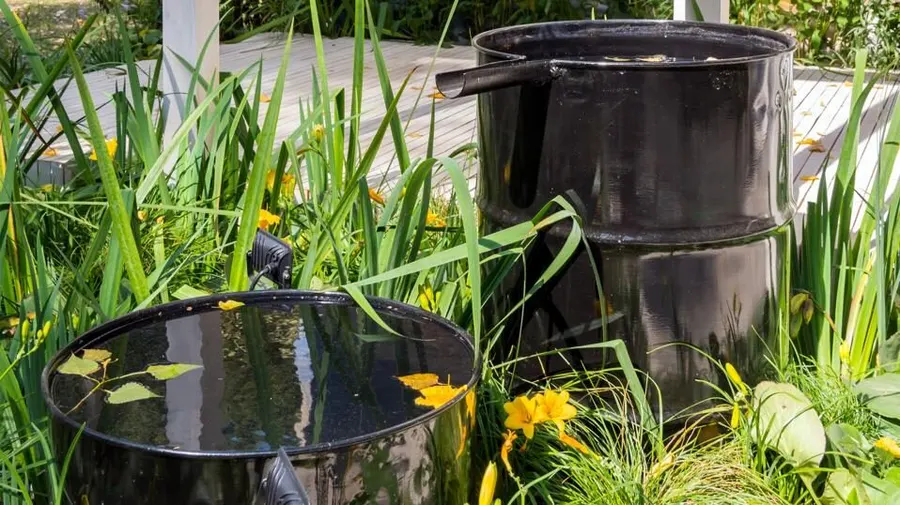
An average rainwater harvesting system costs $3,000. Prices go as low as $130 for a simple 55-gallon plastic rain barrel with a spigot, or up to $17,000 for the cost to install a cistern with a 5,000-gallon capacity and an extensive conveyance system. In short, the price of rainwater tanks for storage and distribution varies a lot by type and size.
If you want to harvest rainwater for outdoor or in-home use, here are things to know about rainwater collection and its costs.
Finding a reliable Plumber in your state doesn't have to be a hassle. Choose from a list of top-rated plumbers with extensive knowledge and experience on Angi.
Rainwater Collection Systems Cost By Method
The two primary ways to collect and store rainwater for reuse vary significantly in function and cost.
Rooftop
A rooftop rainwater harvesting system costs between $1,000 and $5,000, or an average of $3,000. In rooftop systems, rainwater lands on a home’s roof, flows into its gutters and is redirected and collected in a tank. This is the most common method due to its affordability and ease of setup.
Surface Runoff/Stormwater
Rainwater tank prices increase dramatically for surface runoff harvesting, which costs $8,000 to $15,000 or an average of $11,500. The primary reason is labor: These systems involve excavating the ground, burying a tank, then installing grates and underground pipes. When rain falls on the ground, it flows into the grates and pipes to the tank. The advantage here is that surface runoff systems collect more water.
Rainwater Collection Systems Cost By Water Tank Type
There are two basic container types that affect how much a rainwater harvesting system costs. Both can make use of the rooftop harvesting method, and the primary difference between the two is size.
The cost of rain barrels ranges from $70 to $840, and they range in size from 40 to 120 gallons. 55 gallons is the most common size and most cost about $140. Local programs in some areas may give homeowners access to free rain barrels.
Barrels are the simplest rainwater collection method and are best for small-scale water storage needs such as watering plants. Simply place one on a raised platform under a downspout and gravity will push water out through a spigot at the base. Rain barrels come in a variety of materials, including plastic or more decorative brass and oak.
A cistern is much larger than a barrel, able to support an entire household. Cistern installation costs for the largest 6,000-gallon units can reach $17,000, but costs range from $0.50 to $4 per gallon with units as small as 1,000 gallons. Cisterns provide pressurized whole-home water distribution and offset your monthly water bills. There are two types of cistern rainwater collection system:
A dry rainwater collection system costs $1,340 to $5,300. These roof collection systems function essentially the same as rain barrels but on a larger scale. They’re called dry because the water flows from your gutters straight into the tank, leaving the collection pipe dry between rainfall events. The biggest cost factor is tank size since installation is relatively simple.
A wet rainwater collection system costs $6,000 to $17,000 on average. In these underground systems, water remains inside the pipes until forced into the tank by pressure from additional rainfall. The tank and pipes are underground, and the excavation required significantly raises installation costs. All surface runoff or stormwater systems are technically classified as wet systems.
Cost Breakdown for Rainwater Harvesting System
Several cost factors affect the cost of a rainwater harvesting system.
The size of a cistern or rain barrel directly impacts its price. Expect to pay between $0.50 and $4 per gallon of water capacity. Rain barrels are most commonly 55 gallons, but some can hold more than 100. Cisterns also vary in size and tend to hold thousands of gallons.
An extensive underground cistern involves a variety of labor costs. The cost to hire a plumber to set up your system’s pipes is $50 to $120 per hour. You’ll pay them $2,200 to $5,000 for the cost of a sprinkler system alone. Complex gutter work could add $2,300 on average. After the project is complete, paying a landscaper for yard regrading costs $50 to $150 per hour.
Higher-end cisterns let homeowners filter water for indoor use. Filtration system maintenance costs about $740 per year.
Whether you need a permit for rainwater harvesting depends on where you live and your system type. It’s legal to collect rainwater in most states, but many restrict usage to lawns and gardens. You’ll likely need a permit to connect a rainwater system to your public water supply and this isn’t allowed in all areas.
Finding a reliable Plumber in your state doesn't have to be a hassle. Choose from a list of top-rated plumbers with extensive knowledge and experience on Angi.
Polyethylene tanks cost $2,000 to $4,000 on average. One of the most common and most affordable rainwater harvesting options, polyethylene is a lightweight, flexible plastic material that comes in a variety of colors that can be either translucent or opaque. The latter is best to prevent algae growth within the tank. Polyethylene can be used in a partially buried system.
Galvanized steel rainwater tanks are similar in price to concrete tanks at $3,000 to $6,000 on average. Steel is very durable, but it may corrode when buried. These tanks usually contain a vinyl bladder that holds the water while the steel shell protects it.
- Downspout screens: $10 to $50 each. These help filter water going in your downspouts.
- First flush diverter: $20 to $60. This device flushes away toxins for safe rainwater use.
- Gutter mesh: $0.80 to $1.25 per linear foot. This keeps debris out of your gutters.
- Pump: $150 to $300. This pushes water out of your tank and through your system.
- Tank gauge: $30 to $50. This lets you monitor your tank’s current water level.
- Top-up system: $100 to $200. This tops off your tank with municipal or well water.
With a little preparation and research into proper techniques and local guidelines, homeowners may be able to install a small rain barrel on their own. For large, complex systems or those that involve underground tanks or piping, a pro’s expertise is required. To get started, contact your local rainwater collection company or well pump contractor. You can also search for a plumber with rainwater collection experience.
For many, the primary benefit of rainwater harvesting is access to a free resource that can help cut down household water bills. Many homeowners prefer using rainwater for landscaping and gardens, though you should consider avoiding its use on vegetables and other edible plants, according to the CDC.
Homeowners in flood zones can reduce their flood risk by improving yard drainage with a rain barrel or other harvesting system. In certain areas, local governments may offer tax incentives to install a rainwater collection system such as tax credits, deductions or exemptions.
To arrive at the average costs in this article, four providers and cost databases were surveyed on national and local levels. All averaged figures were correct at the time of publication and may be subject to change.
Nick has seven years of experience in the home improvement industry. He started his career marketing for dozens of flooring providers and related home services across North America. Today, he is a freelance writer and regular contributor to several publications specializing in home topics. Nick’s work includes DIY guides, informational articles and financial content, all of which aim to demystify unfamiliar subjects for homeowners and build their confidence.
Kristin is a deputy editor at Forbes Home and has nearly a decade of professional experience as a writer and editor. She's previously worked at sites like Talking Points Memo, Insider, Delish, Angi and HomeAdvisor. She has a passion for lifestyle topics and has extensive experience researching and reporting on topics that will help make your house a home.