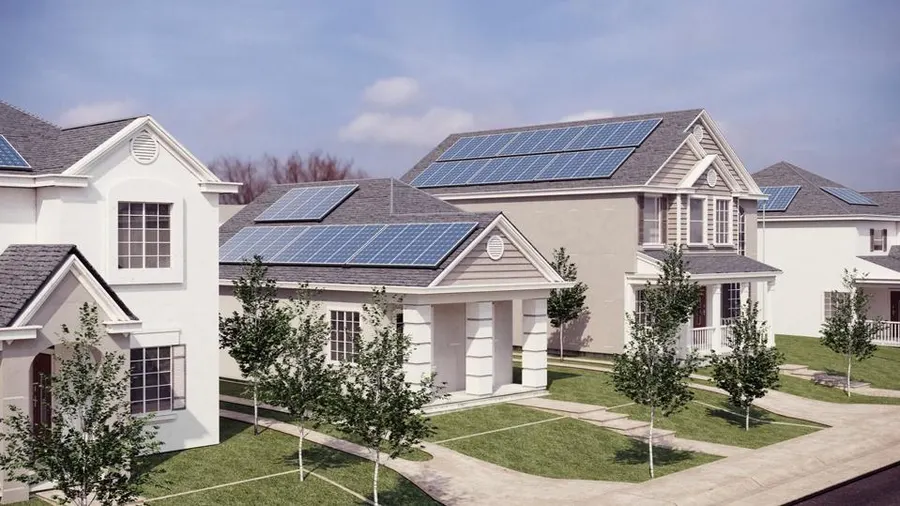
Solar panel costs in Wisconsin can range from $9,850 to $17,200 for a typical 6-kilowatt (kW) system. The average price that Wisconsinites will pay for a system of that size is about $12,850, which accounts for the 30% federal investment tax credit (ITC) that solar owners can currently take advantage of. System size is the biggest factor in solar panel cost, but the type of panels and the installer chosen can also have a significant impact.
Average Cost of Solar Panels in Wisconsin
Wisconsin Solar Panel Cost Breakdown
While average solar panel costs can be useful, it’s worth considering that the price you’ll pay to install solar panels on your own Wisconsin home is unique to you. Several factors can cause the price of solar to fluctuate between installations, and we’ll explain some of these in detail below.
Solar System Size
The larger your solar panel system, the more panels it will include, and the higher its cost will be. It’s worth paying for the right-sized system to cover your home’s full electric bill to maximize your savings over time. The table below shows the average cost for different solar system sizes after applying the 30% federal ITC.
Panel Type
There are three types of solar panels commonly used in residential solar installations.
- Monocrystalline Solar Panels: Monocrystalline panels are the most popular choice because they produce more energy. They also tend to cost the most at a national average of $1 to $1.50 per watt due to the need for professional installation.
- Polycrystalline Solar Panels: Polycrystalline panels have a lower efficiency rating, but they also come at a lower price with a national average of $0.90 to $1.50 per watt. They are generally used for DIY installations.
- Thin-Film Solar Panels: Thin-film panels can cost anywhere from $0.50 to $1.50 per watt. They tend to cost less to produce and their production is better for the environment. However, their lower efficiency means more panels are required per installation to generate the same amount of power as monocrystalline panels.
Labor Costs
Solar panel installation requires complex measurements and techniques. This ensures adequate power generation and helps avoid damaging the home’s roof and other structural elements. Labor costs are built into the total cost of installation, accounting for about 24% of the cost per watt.
Installation Company
The installer you choose will have a big impact on the cost you pay. Every solar company offers different solar brands, add-ons and labor costs. One of your first steps in determining cost is to consider your options among the best solar companies in Wisconsin.
Permits
All municipalities in Wisconsin require homeowners to obtain building permits for solar panel installation. Permits and fees cost $25 to $250 depending on your local requirements. However, permitting is typically handled by the installation company, and the cost is usually built into your total installation price.
Roof
Part of your labor cost will come down to the difficulty level of your installation. Homeowners with a steep or complex roof design should expect higher costs.
Maintenance Costs
Solar panels come with almost no maintenance costs. Issues that require repair or replacement are often covered by warranties from the installer or manufacturer. Confirm your coverage with your chosen installer before purchasing your panels. Some companies offer cleaning services for $100 to $150 per visit. This usually isn’t necessary in Wisconsin, where heavy rainfall is usually enough to keep panels relatively clean so solar panel maintenance should be at a minimum.
Free, No-commitment Estimates
Wisconsin hasn’t set new renewable energy goals since its renewable energy portfolio goal ended in 2015. However, it does maintain a statewide net metering mandate that credits solar owners for excess energy production. The compensation rate isn’t standard statewide, and many electric companies offer a rate below the retail cost per kilowatt hour (kWh).
After that, the average solar system in Wisconsin is expected to save about $1,350 per year on electricity bills. This is more than enough to cover the average energy bill of $100.18 per month, allowing Wisconsin solar owners to make money on their systems through statewide mandated net metering.
Find a network of trusted installers for your solar system, solar panels and electricity needs. Find a solar panel installer today!
Wisconsinites can pay for solar panels in one of four different ways. Not all solar installers accept all of these payment methods, so your preference should help determine the company you hire. We explore each payment option in detail below.
Purchasing solar panels outright will save you the most money over time. A cash purchase leads to immediate panel ownership, meaning you won’t owe interest over time.
Leasing a solar panel system means you won’t own it yourself, and the company that installs it will be responsible for maintenance. However, without ownership, you can’t take advantage of available incentives or tax breaks. If you sell your home, you’ll either have to buy out the lease or convince a homebuyer to take it over for you. Solar leases over minimal long-term savings.
A solar loan allows you to finance your purchase with monthly payments. Some companies offer low or no interest rates for a period, and may even require no money down. Over time, you’ll still lose out on potential savings to interest. However, many homeowners choose to go this route because they can’t afford the average installation cost of $12,850 all at once.
In a power purchase agreement or solar PPA, homeowners don’t own their solar system and aren’t responsible for maintenance. They don’t pay for the panels themselves. Instead, the solar installer bills them for the energy generated. If the panels don’t produce enough electricity to cover the home’s energy bill, the homeowner also receives a bill from their utility company. Some PPAS credit homeowners for excess energy generation, but that isn’t always so.