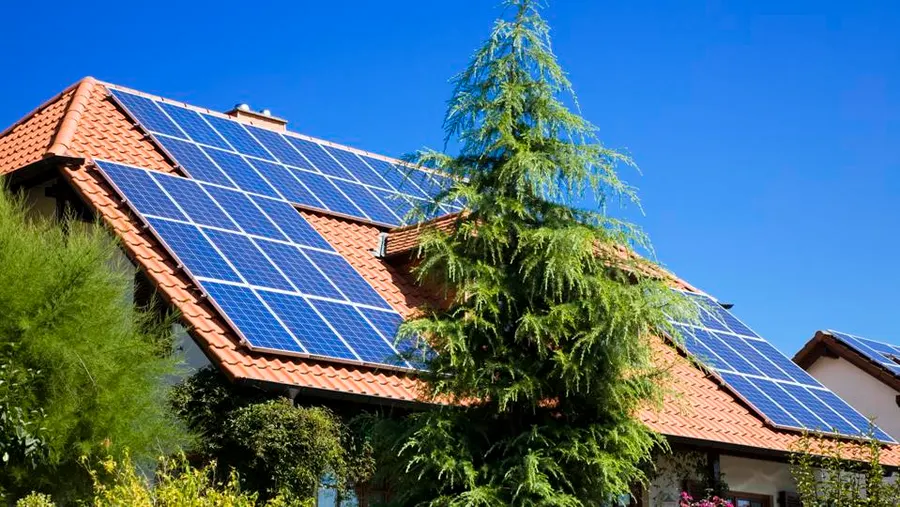
Compared to many other states in the U.S., Indiana is lacking in solar legislation. The state previously offered a net metering program that paid Hoosiers for their excess solar production, but that benefit recently expired for new installations.
Even so, Indiana homeowners shouldn’t be discouraged. Solar power can still greatly reduce their electricity costs over time and increase their property values. There are also still Indiana solar tax credits and other incentives available to help make a transition to solar power more affordable. This guide lays out the incentives Hoosiers should know about to make the best decision for their Indiana homes.
Indiana Solar Tax Credits, Incentives and Rebates Breakdown in 2024
Installing a solar energy system is about more than simply purchasing the best solar panels for your Indiana home. If you’re like most homeowners, you’ll be looking for ways to save on your installation, too. There are no Indiana solar rebates at this time, but there are other incentives you can take advantage of.
Renewable Energy Property Tax Exemption
If the value of your Indiana home increases after installing a solar power system (it usually will), your state property taxes won’t increase because of it. Remember, though, that this doesn’t mean you’re exempt from paying state property taxes.
NIPSCO Feed-In Tariff
If you live in an area served by the Northern Indiana Public Service Company (NIPSCO), you can enroll in the NIPSCO feed-in tariff program. This program allows homeowners generating renewable energy to sell excess solar power back to NIPSCO for a credit of up to $0.23 per kilowatt-hour (kWh). Though the program has limited availability, it does offer homeowners a chance to earn credits to cover their traditional electricity usage.
Learn more about the program on NIPSCO’s website.
Indiana Solar Sales Tax Exemption
Certain components of a solar power system purchase in Indiana may be exempt from the state’s 7% sales tax. This includes solar modules, racking, inverters and other components directly involved in solar production. This exemption may not be available in all Indiana municipalities, so talk to your solar installer to learn whether you can qualify.
Solar Easement Laws
Indiana has solar easement laws in place to ensure that installed solar energy systems have access to direct sunlight. The laws help homeowners enter into voluntary agreements with neighbors to prevent shading and obstructions to sunlight. It also prevents homeowners associations (HOAs) from blocking solar power system installations.
The credit only applies once and is limited to those who own their solar systems outright. This requires a cash purchase or a solar loan. Additionally, the 30% credit only applies to those purchasing their systems by 2032. In 2033, the credit will fall to 26%, then again to 22% in 2034. Unless congress renews the credit, it will expire completely after 2034.
Note: The federal tax credit is nonrefundable. Depending on your overall tax liability, you may only receive a portion of the credit, but the rest may roll over. You can work with a tax accountant to understand how a solar panel tax credit will impact your finances.
Indiana no longer offers a statewide net metering program for new customers. Previously, this type of program gave solar owners financial credit for surplus energy their systems produced. The net metering program that Indiana used to have expired at the end of 2022 for new customers, eliminating many Indiana homeowners’ access to net metering benefits. Those whole installed systems before 2018 will receive net metering credits until 2047.
Some Indiana residents who build new systems may be eligible for a similar credit on their utility, called an Excess Distributed Generation (EDG). Solar United Neighbors can provide more information to start your research on this topic.
The average cost of solar panels in Indiana is $15,300 for a 6 kW system. That breaks down to about $2.55 per watt. That cost will come down if you apply the benefits from Indiana solar programs. For example, that same 6 kW system will cost an average of $10,710 after applying the 30% federal solar tax credit.
Your overall cost will also be affected by where you live and the size of the system you install. Larger systems tend to cost more on average. You may find that costs vary by city. For example, quotes from solar companies in Indianapolis tend to be lower than the state average.
Despite higher-than-average costs compared to other states, there are still many benefits to going solar in Indiana.
Utility costs across the U.S. are climbing, making solar more attractive with every passing month. Solar panel systems are designed to last more than 30 years and can reduce your monthly energy expenses over that entire lifespan.
The more electricity you generate using solar panels, the less you’ll need from the power grid. Storing energy in a solar battery will provide you with additional backup power for nighttime, cloudy days and during power outages.
Solar energy is renewable, and unlike the traditional power grid, solar panels don’t emit carbon into the atmosphere as they generate electricity from solar energy. By using solar energy, you’ll reduce the carbon footprint of your Indiana home.
Installing solar panels may be a larger investment in Indiana than in most states, but the payoff of going solar is worth it for most Hoosiers. Not only can you save with federal, state and local solar incentives in the state, but you’ll also save on energy costs, increase your home’s value and have a net positive impact on the environment.
If you’re considering it, we recommend going solar before the federal income tax credit goes away in 2035. Talk to a few solar companies near you for quotes and to explore the solar incentives available in your local area.
Solar panels cost more in Indiana than the national average. Even so, solar power is an affordable option for Hoosiers. Talk to a pro and take advantage of every Indiana solar program available to you.
It costs an average of $2.55 per watt to install solar panels in Indiana. Hoosiers can reduce that cost by applying certain federal, state and local solar incentives that may be available to them, such as the 30% federal solar investment tax credit. Overall costs are also impacted by where you live in Indiana as well as the size of the system you install, with larger systems costing more on average.
Nick has seven years of experience in the home improvement industry. He started his career marketing for dozens of flooring providers and related home services across North America. Today, he is a freelance writer and regular contributor to several publications specializing in home topics. Nick’s work includes DIY guides, informational articles and financial content, all of which aim to demystify unfamiliar subjects for homeowners and build their confidence.