Carpenters and contractors may have some overlap, but their roles are distinct



When planning a home renovation or remodeling project, you must choose which type of professional to reach out to. This can be confusing since some titles, like carpenter and contractor, get used interchangeably. However, these distinct roles have their own skills and specialties. Learn which is which in this carpenter versus contractor comparison guide.
What’s the Difference Between a Carpenter and a Contractor?
Carpenters specialize in working with wood materials in or on a structure like a house. General contractors manage a team of specialists to complete a large construction project.
Carpenters vs. Contractors: Differences in Role
Homeowners hire a carpenter or a contractor to serve different roles under specific circumstances. These two types of construction pro differ in their specialties, skills, and responsibilities.
Skills and Specializations
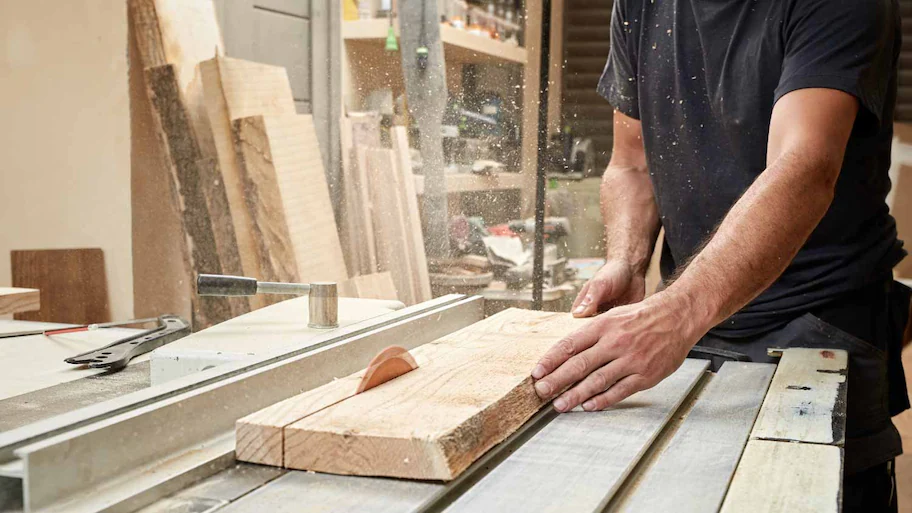
A carpenter specializes in working with wood on the inside or outside of your home. This can include cutting, shaping, installing, and repairing a home's structural components, such as walls or framing, and smaller details like trim, cabinetry, shelving, and furniture.
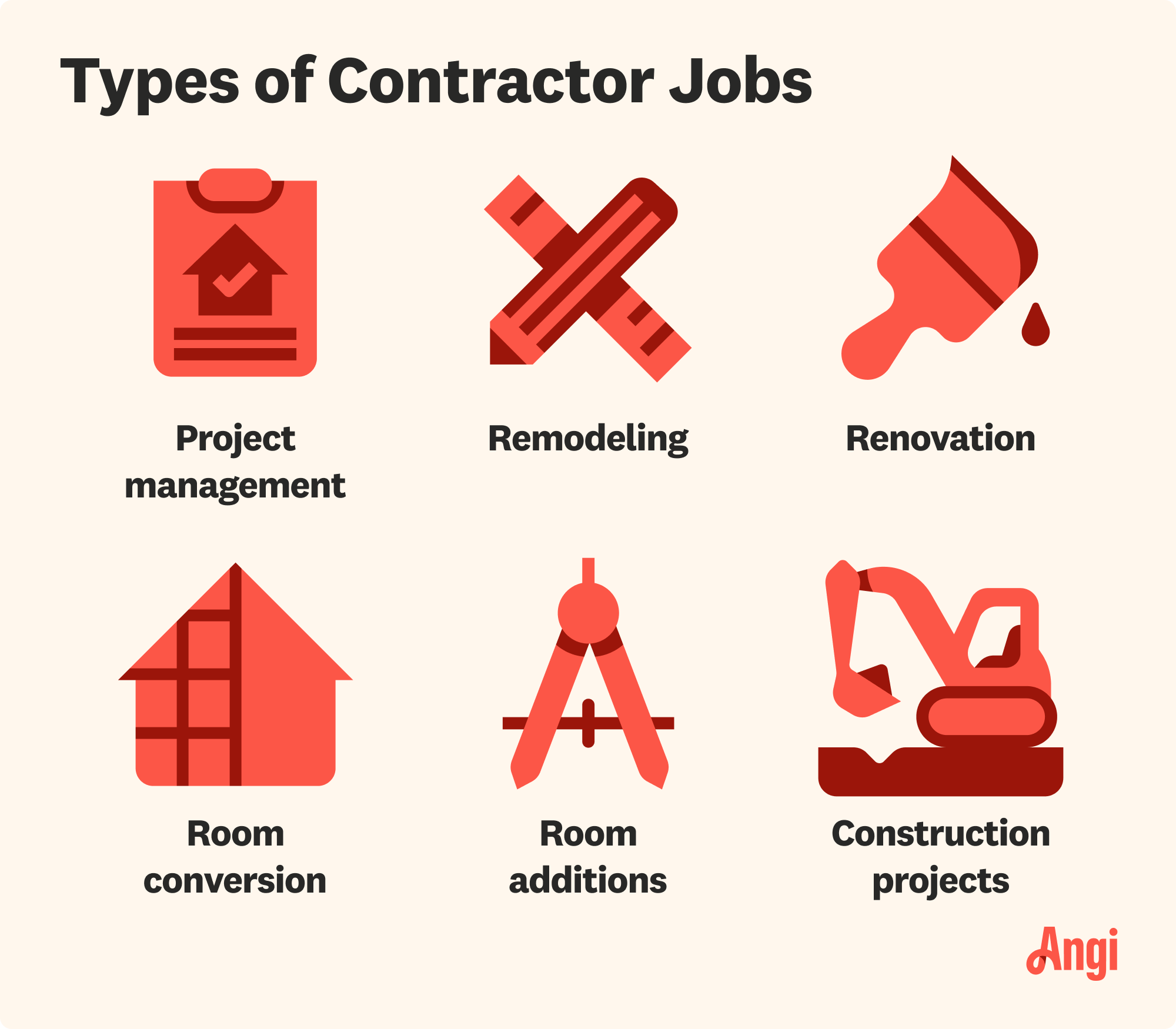
A contractor specializes in overseeing and managing large construction projects. These projects may include carpentry work, and a general contractor may hire a carpenter as a subcontractor to help complete a larger project.
Responsibilities
A carpenter's responsibilities tend to be more focused on their specific skills. They will handle the following:
Building, installing, or repairing wooden structures and fixtures
Building, installing, or repairing cabinetry, flooring, and trim
Reading plans and executing them accurately
Selecting, cutting, and shaping wood materials
Applying wood finishes such as stain, varnish, or paint
A contractor doesn't usually perform any actual construction or trade work themselves. If they do, they do so in conjunction with a team of subcontractors they hire and manage (one or more of whom may be a carpenter). Their responsibilities include:
Planning, scheduling, and coordinating all aspects of a project
Managing the project budget
Selecting and hiring subcontractors
Sourcing materials and tools
Inspection
Client communication
Project documentation
Cost Differences
The hourly cost to hire a carpenter is typically between $75 and $125, although you could pay anywhere between $30 and $200 per hour. What you can expect to pay will depend on what the carpenter specializes in, the type of project you need to get done, the skill level of the carpenter, and the materials they’ll be working with.
It’s less common for a general contractor to charge an hourly rate, although when they do it tends to be between $50 and $150. Instead, the cost of a contractor is likely to be between 10% and 20% of your total project cost, or anywhere from $350 to $500 per day.
Differences in When to Hire
Carpenters and contractors are each suited to specific project types.
If you have a large project but have enough construction knowledge to manage the details yourself, you can hire a carpenter and maintain a direct relationship with them. This will save you money by cutting out the middleman, but we don't recommend it unless you know what you're doing and you have enough time to dedicate to project management.
You can also hire a local carpenter for a small-scale project that only involves carpentry work. This can include trim work or other minor repairs or touch-ups to the wooden components of your home.
If you have a large project that requires multiple tradespeople, hire a general contractor near you. They'll be able to manage every aspect of the project, including carpentry, plumbing, electrical work, tiling, roofing, and whatever else you may need.