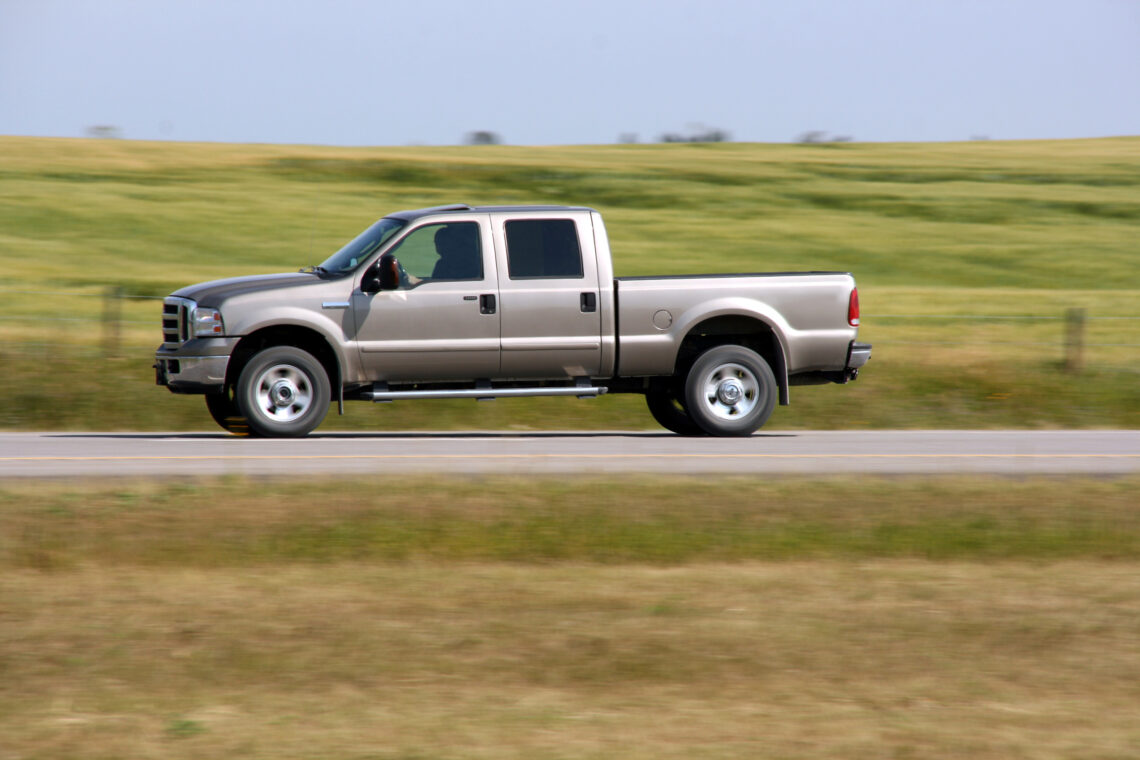
A truck is a big investment. You’ll want to do what you can to protect your purchase, and that may include purchasing a truck warranty.
Coverage options vary. New and certified pre-owned (CPO) trucks come with a factory warranty if purchased from a franchised dealership, while independent dealers may partner with third-party warranty companies. A used truck purchased from a private seller may have a transferable warranty. If you purchase your truck used after its factory warranty has expired, you can get extended coverage from one of the best car warranty companies.
Your best bet is to purchase a new, CPO or used truck with a warranty already on it. “There’s peace of mind in what you’re buying knowing that it’s coming with an insurance policy, in a way,” said Mike Winter, owner of MDP Diesel & Auto in Jackson, Michigan.
That said, the protection that a truck warranty provides is distinct from auto insurance coverage. Not all truck warranties are worthwhile, so it helps to be familiar with the different types of warranty coverage available and the potential benefits and pitfalls of each.
See if an Endurance extended warranty for your truck could fit into your budget by getting a quote below:

What are the types of truck warranties and their coverage?
A car or truck limited warranty covers repairs caused by equipment failure of individual parts. Manufacturer-issued warranties come with new and CPO vehicles, but you can purchase an extended warranty separately. Different vehicle warranty types provide different coverage.
Bumper-to-bumper warranty
Also called comprehensive coverage, bumper-to-bumper warranties cover most of the major components in a vehicle at the time of purchase. This includes manufacturer and design flaws but not progressive damage, which refers to normal wear that happens over time.
“A bumper-to-bumper is the best out there,” Winter said. “It will cover just about everything but wearable parts, like brake pads and tires. Most are three years [or] 36,000 miles.”
A bumper-to-bumper warranty covers the following components:
- Braking components, but not pads
- Electrical parts
- Engine control modules (ECM)
- Fuel injectors and fuel pumps
- Heating and air conditioning systems
- Navigation systems
- Safety equipment such as airbags and seat belts
- Steering and suspension systems
- Towing services to the nearest repair facility
- Turbochargers
Powertrain warranty
Powertrain warranty coverage is limited to a vehicle’s mechanical parts and usually lasts longer than bumper-to-bumper coverage. For example, the five most popular truck models in the model year 2020 included factory powertrain warranty terms of five years and at least 60,000 miles, according to Carchex, compared to the typical 3 years/36,000 miles of bumper-to-bumper coverage.
“The powertrain warranty will cover the engine, transmission and driveline, and that’s about it,” Winter said. “It won’t cover brakes. I’ve seen an auxiliary cooler and pump on the side of a transmission, not inside, [and] because it was external, a factory original equipment manufacturer powertrain warranty would not cover it.”
Emissions warranty
An emissions warranty covers components that limit a vehicle’s emissions. Each component tends to be covered individually within the terms of the warranty, and coverage varies based on state requirements. For example, emissions warranties in California tend to include longer protections due to the state’s stricter requirements.
Extended warranty
An extended warranty is designed to take over for a manufacturer’s warranty after it expires. This coverage costs extra, and it’s up to the consumer to ensure that it’s worth that cost. Extended warranties are available from the original equipment manufacturer (OEM) that originally sold the vehicle or from third-party aftermarket providers, such as Endurance or CarShield.
How can a warranty affect resale value?
A warranty will only affect the resale value of a truck if it’s transferable.
“If it has a transferable warranty, like one of the OEMs, and it transfers to the new owner, that can be anywhere from a $2,000 to $5,000 peace-of-mind add-on for the customer,” Winter said. “You could ask a little bit more for the vehicle.”
To determine whether your truck is still under warranty — and whether that warranty is transferable to a new owner — check the owner’s manual for details. You should find information on the warranty’s terms and limits, including mileage and time from the date of purchase. Some warranty terms may change when the car is sold as a used vehicle.
Is a truck warranty worth it?
According to quotes we got from top auto warranty providers, extended warranties cost an average of $2,845 in total, or $108 per month over two years. Meanwhile, RepairPal reports an average annual cost of $936 for maintenance and repairs on a full-size truck.
Based on these numbers, the lower total most truck owners would pay out-of-pocket for repair costs without a warranty does not justify the cost of a warranty. However, unscheduled repairs are unpredictable by nature, and when parts fail, a warranty should have you covered.
“If it’s a third-party warranty, I’d be very skeptical and do my due diligence and research. If it’s an OEM warranty, it’s worth it, especially the more it covers,” Winter said.
“Say you buy a used Ford with 40,000 to 90,000 miles on it. In most cases, you can buy the OEM add-on warranty that’ll cover quite a bit and have a $100 to $150 deductible. You get an engine replacement, and it’d be a $10,000 job out of pocket if you didn’t have the warranty. They will actually cover it,” he continued.
The catch in these cases is that an OEM extended warranty will typically require you to have your vehicle repaired at a dealership garage franchised by the manufacturer rather than allowing you to choose your preferred independent mechanic. They also usually have lower mileage and age limits than third-party warranties.
How do you choose a truck warranty?
Your truck warranty should meet your needs while providing quality service and a price that fits your budget. Here’s what to consider when researching truck warranties.
Customer service
Customer service quality can vary depending on the provider. Manufacturer-issued warranties require you to get service at an approved dealership garage, but this comes with the benefit of specialized technicians who use genuine manufacturer parts. Aftermarket warranty providers don’t share the same requirements, which can lead to lapses in service.
If you’re within the factory warranty period on a new or CPO truck and want extended coverage, start your search with your manufacturer’s extended warranty options. Then, compare it with reputable third-party providers to ensure you get the necessary coverage.
“Quite a few third-party companies are not easy to deal with and hard to get ahold of. We spend hours sometimes trying to get something covered for a customer,” Winter said. “They might not even cover half of it. It ends up wasting a lot of time.”
Coverage
Carefully read the terms of the warranty before you sign. Not only do you want coverage that meets your needs, but you want to ensure there are no loopholes or exclusions that could leave you paying for repairs out of pocket. Ask about the following and get answers in writing:
- What specific parts are covered, and under what circumstances?
- How long are the terms and what are the mile restrictions?
- Are there any coverage caps for very expensive repairs?
- Is the plan transferable to a new owner?
Payment plans
Ask how you’ll be required to pay for the plan and whether you’ll be locked into a long-term contract. Some truck warranty providers only charge month-to-month and allow you to cancel at any time. You should also ask whether you’ll be required to file for repair reimbursement or if the warranty company will pay repair shops directly.
Eligibility
Ensure your vehicle is eligible for coverage under the plan you’re interested in. Some manufacturer extended warranties require the vehicle to be within its factory warranty for you to purchase coverage. Your vehicle’s age, mileage and condition may also affect your eligibility for coverage. Typically, older vehicles with high mileage get higher rates or sometimes get denied coverage altogether.
What’s next?
If you are purchasing a new truck, expect it to come with a factory powertrain and bumper-to-bumper warranty. Once that factory warranty has expired, or if you’re purchasing a used truck, you’ll be vulnerable to unexpected repair costs that can add up quickly. One way to achieve peace of mind is to purchase an extended truck warranty.
Research your options carefully and understand the terms of any agreement. It’s a good sign if the warranty is backed by the vehicle’s manufacturer. If not, read online reviews and posts from customers who have purchased the warranty you’re considering. Your other option is to simply save the money you’d spend on a warranty in a fund for vehicle repairs.
“If you buy a used vehicle and it’s certified, it’s best to get the OEM warranty,” Winter said. “If it’s got over 100,000 miles on it, you’re better off putting that money to the side and using it at a reputable repair shop.”
Editorial note: The name “Homefront” refers to the alliance between USA TODAY and Home Solutions that publishes review, comparison, and informational articles designed to help USA TODAY readers make smarter purchasing and investment decisions about their home. Under the alliance, Homefront provides and publishes research and articles about home service and home improvement topics.
Homefront has an affiliate disclosure policy. The opinions, analyses, reviews or recommendations expressed in this article are those of the Homefront editorial staff alone (see About Homefront). Homefront adheres to strict editorial integrity standards. The information is believed to be accurate as of the publish date, but always check the provider’s website for the most current information.
Nick Cellucci is a contributing writer for USA TODAY Homefront. He specializes in educating fellow homeowners on home improvement topics including flooring, renovation, HVAC, home security, moving and solar. His work has been published on Angi, HomeAdvisor, Forbes Home, Mohawk Home and Yelp. Nick is based in South Central Pennsylvania and enjoys traveling in a DIY-renovated retro camper van with his wife.
Veronika Jelenik is an editor for USA TODAY Homefront, where she edits articles spanning from moving and home warranty to roofing and HVAC. She has a background in journalism, having worked as a news reporter covering local government and municipal planning, a content update editor for Brides.com, and a freelance contributor to several major publications. Her pieces have been published in the New York Daily News, the Hartford Courant, PAPER Magazine and elsewhere. When not editing, you can find Veronika shopping for used books and vintage clothing, reading her poetry and creative nonfiction at open mics and cuddling with her Chihuahua, Beanie. She lives in Manhattan.