In Germany, a short trip to the mailbox is often a fearful expedition. A letter from the tax office, the city council or any other slimy tentacle of the state’s omniscient bureaucracy? You can guarantee it’s not going to be good news.
After the government’s Military Service Modernisation Act came into effect on January 1, young men are legally obliged to scan the letter’s enclosed QR code then answer questions online about their height, weight, fitness, education and potential interest in joining the army. For women, the questionnaire is voluntary.
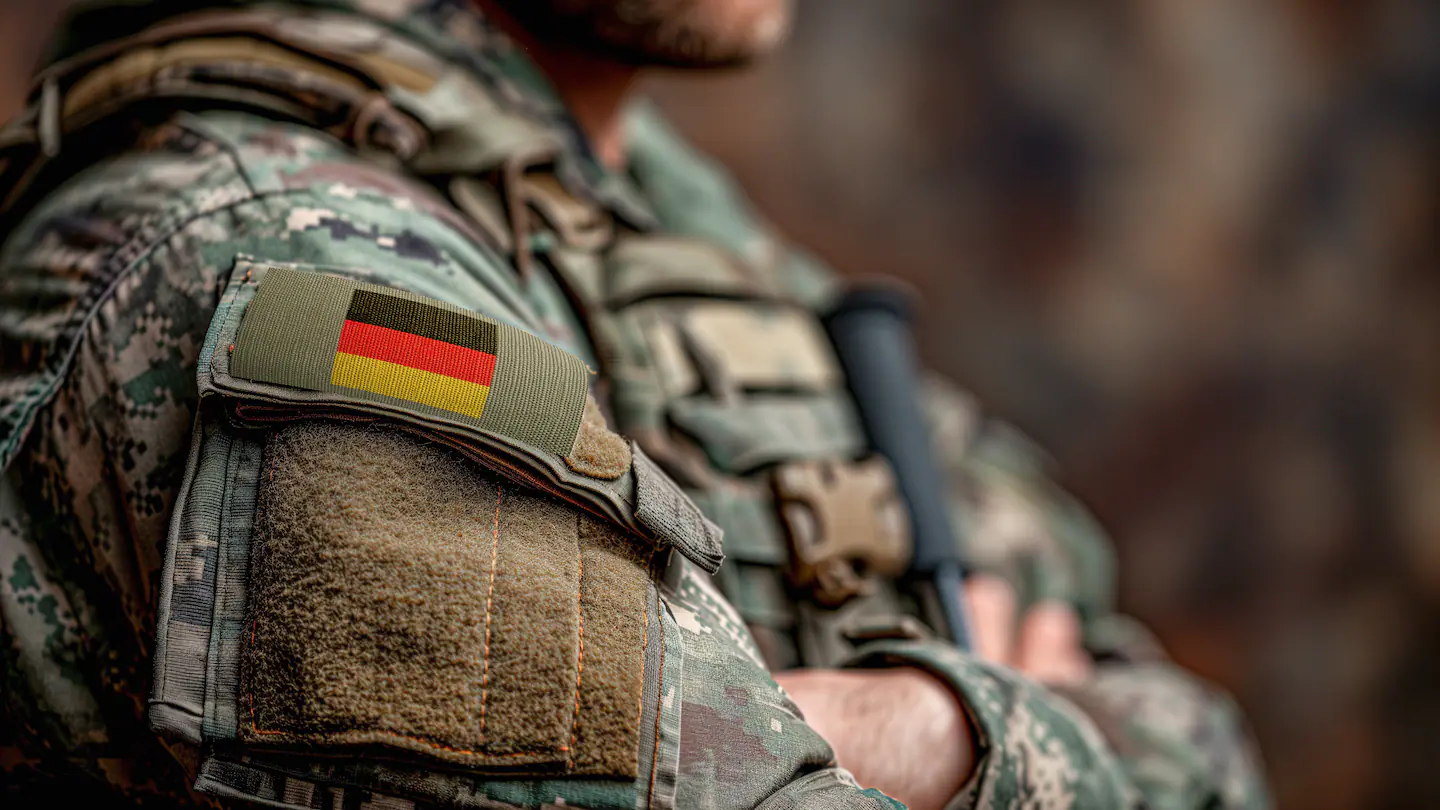
It wants to grow its forces to more than 260,000 soldiers by 2035, up from around 184,000 today. And it hopes to do this by encouraging young Germans to volunteer, and not through compulsory conscription, which was phased out in 2011. The letters it’s sending include persuasive slogans such as “democracy needs armed forces” and “freedom is not a gift”.
But young Germans will take a lot more convincing. Due to the country’s World War II history, today’s 18-year-olds have grown up with serious doubts about soldiering. German youth already staged one nationwide school walkout in opposition to the new law and are planning another next month.
Various surveys over the past year show the majority of Germans – between 60% and 70% – think conscription is a good idea and they understand the need for it in these troubling times. However, the percentage actually willing to serve is far lower: about 23%.
Further analysis of the polls according to respondents’ ages show things looking even worse. Older folk, who aren’t eligible to fight anyway, are keen. But most of the young and fit who could join the army don’t want to: the latest surveys show only 14% of 18- to 28-year-old Germans are willing. The majority argue it’s because they’re opposed to violence on principle, the rest say they’re not willing to die for Germany.
That’s actually pretty sensible. Unless you’ve been on a non-stop diet of Rambo movie reruns, most sane individuals are aware that – as the cliché goes – war is hell.
To write his insightful books about men at war, journalist Sebastian Junger accompanied US troops in Afghanistan. After dangerous, exhausting weeks with them, Junger suggests that no matter how they got there – nationalism, tradition, machismo or some other ideology – once soldiers are at war, facing common danger, they fight for each other rather than distant, lofty ideals.
And if you talk to Syrians who fled their country for Germany, they’ll tell you they never intended to fight a 14-year civil war when they first took part in peaceful demonstrations against their country’s dictatorship. It was only when regime troops came into their homes to arrest, beat or kill them and their families that they responded with violence.
All of that is likely why the Bundeswehr’s birthday mail-outs and catchphrases won’t change much about young Germans’ attitudes towards the military. One can only hope it stays that way.