“Your scientists were so preoccupied with whether or not they could that they didn’t stop to think if they should.”
It was 1993 when this now-famous line was delivered by Jeff Goldblum as Dr. Ian Malcolm in the original Jurassic Park movie. Then, the idea of bringing extinct animals back to life was just science fiction, and the discussions the film raised merely hypothetical.
Yet here we are, in 2026, facing this very reality as a rapidly growing number of researchers – across both public and private sectors – join the field of ‘de-extinction’ science, using gene-editing technologies to re-create extinct species.
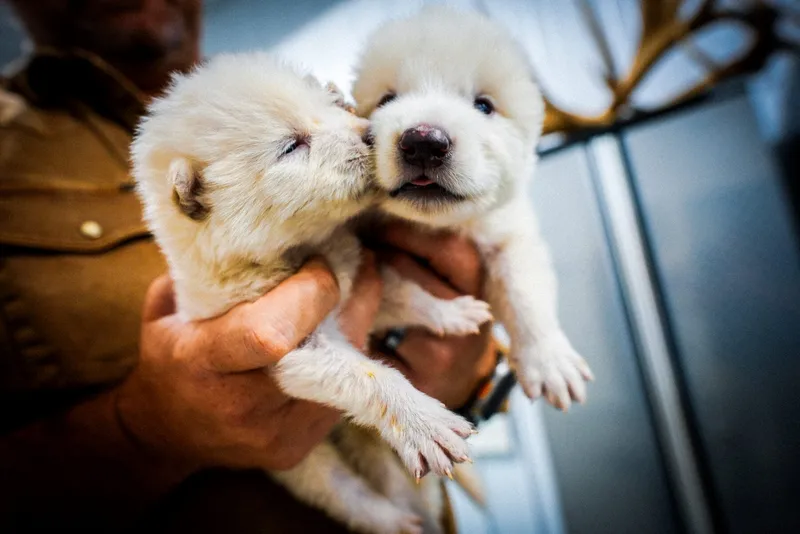
So far, there’s only one group that has claimed to have already done this: Colossal Biosciences. In April last year the American biotech company – founded by technology and software entrepreneur Ben Lamm and geneticist and biotech entrepreneur George Church – proclaimed it was responsible for “the rebirth of the once-extinct dire wolf”, making it “the world’s first successfully de-extincted animal”.
The word ‘successfully’ is important. In 2003 the Pyrenean ibex (Capra pyrenaica pyrenaica) was the first extinct animal to be brought back, achieved using DNA taken from the last surviving ibex before its death in 2000. But the animal only lived for a matter of minutes before dying from a lung defect. Of Colossal’s three ‘dire wolves’, two had already lived to be six months old before the big announcement, and the other was two months old.
The dire wolf (Aenocyon dirus) roamed North America during the Pleistocene Ice Age, becoming extinct more than 10,000 years ago. “For the first time in human history, [we] successfully restored a once-eradicated species through the science of de-extinction,” the company boasted. “After a 10,000+ year absence, our team is proud to return the dire wolf… to accomplish something that’s never been done before: the revival of a species from its longstanding population of zero.”
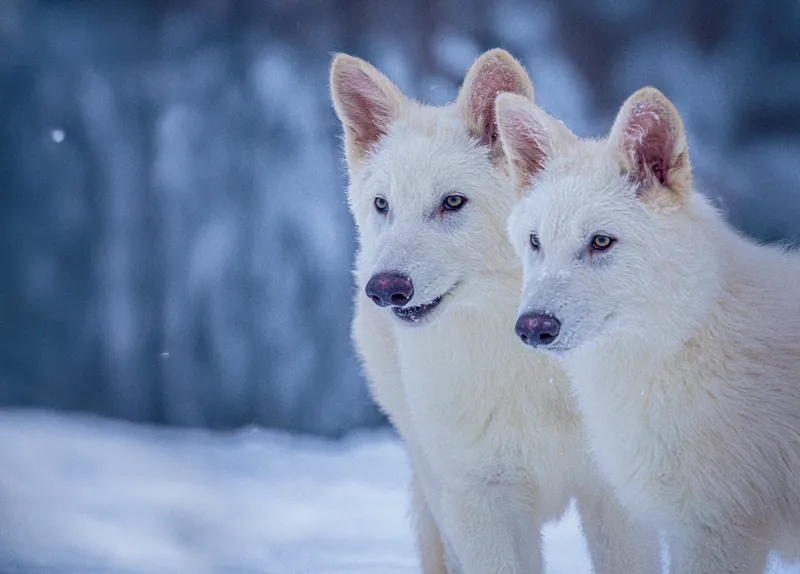
Colossal’s big reveal, understandably, made headlines across the world. Photos of the three ‘dire wolf’ pups flooded the internet. The triumph even made the cover of Time magazine. But the level of mainstream media fanfare was equalled by the level of criticism from members of the scientific community who rushed to debunk the ‘de-extinction’ claim, explaining the animals created by Colossal were not, in fact, dire wolves but genetically modified grey wolves (Canis lupus).
One of the loudest voices in the chorus of criticism came from close to home. New Zealand’s Nic Rawlence, associate professor and director of the Palaeogenetics Laboratory at the University of Otago, is an expert on ancient DNA.
“What Colossal Biosciences produced is a grey wolf with dire wolf-like characteristics,” he explains. “This is not a de-extincted dire wolf; rather, it’s a ‘hybrid’. And importantly, it’s what they think are the important dire wolf-like characteristics. Dire wolves diverged from grey wolves anywhere between 2.5 to 6 million years ago. It’s in a completely different genus to grey wolves. Colossal compared the genomes of the dire wolf and the grey wolf and, from about 19,000 genes, they determined that 20 changes in 14 genes gave them a dire wolf.”
Colossal itself soon conceded the ‘dire wolves’ the company’s scientists created were indeed, technically, modified grey wolves. “Our animals are grey wolves with 20 edits that are cloned,” Colossal’s chief scientific officer, Beth Shapiro, told New Scientist in May 2025.
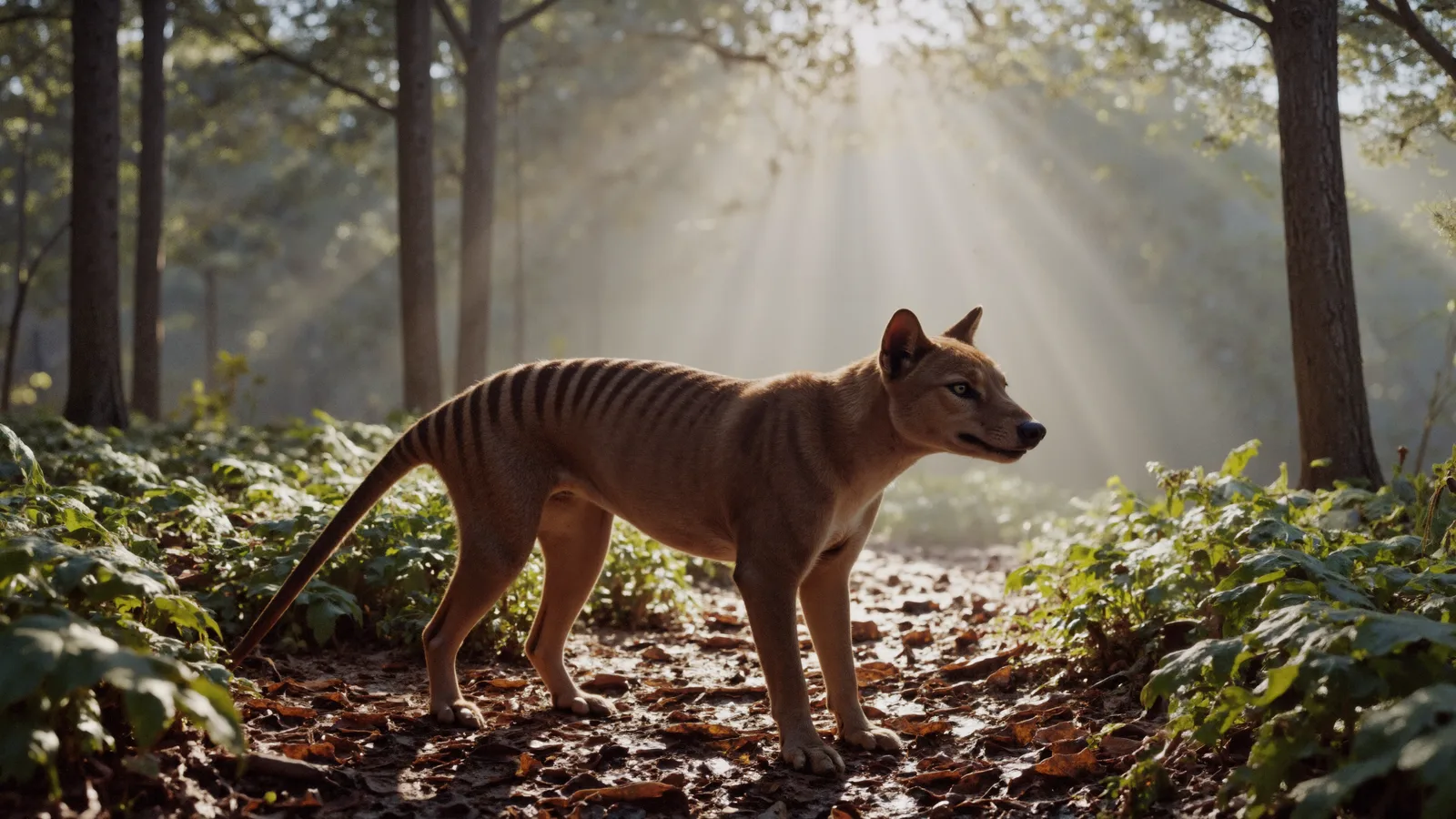
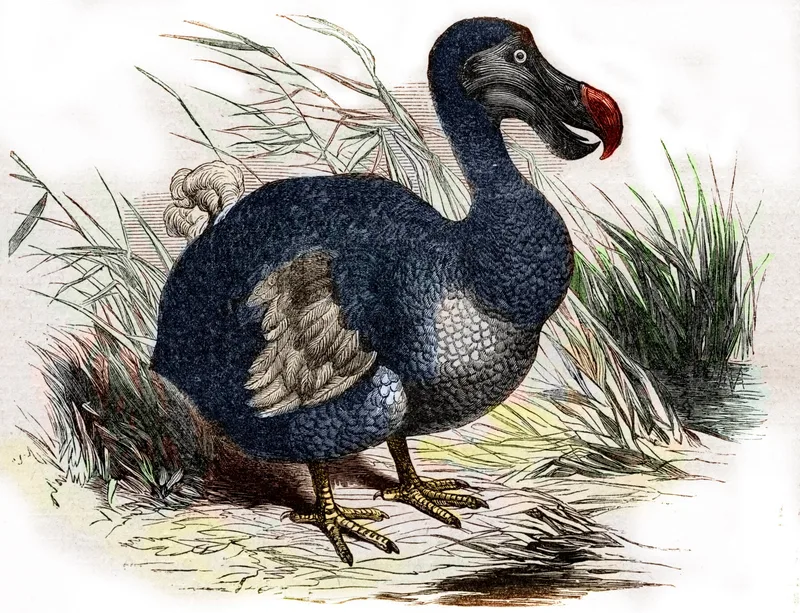
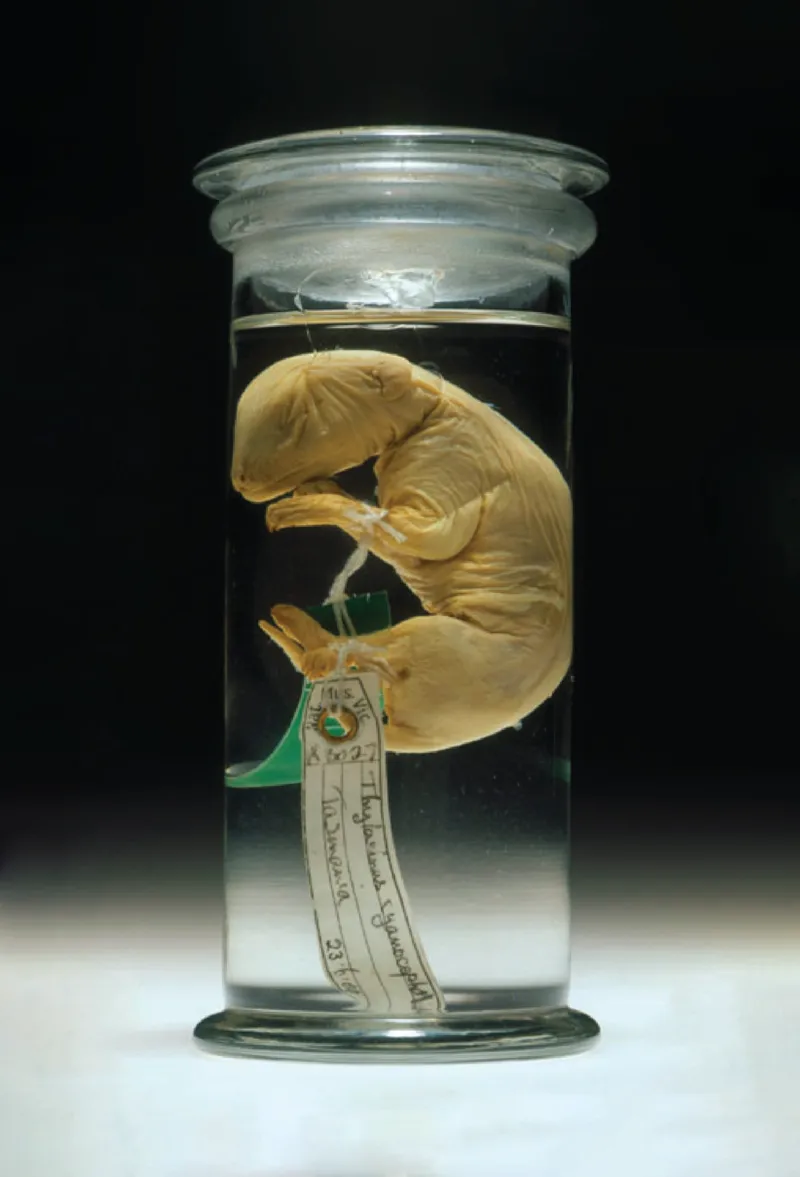
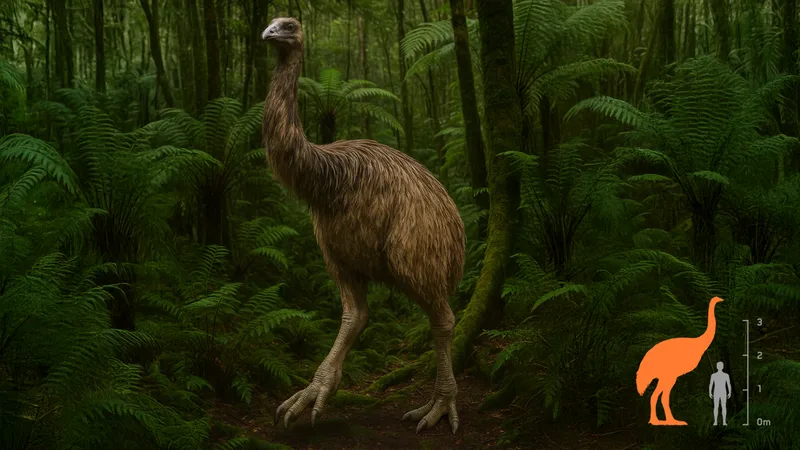
There are more species in Colossal’s ‘de-extinction portfolio’: the woolly mammoth, dodo, bluebuck, giant moa, and even Australia’s thylacine. And the company has stated there are many more in their sights. Another big player, Revive & Restore, is working to bring back the passenger pigeon and heath hen.
But critics stress none of these projects – if or when deemed ‘successful’ – will actually result in the de-extinction of any of these species, stressing ‘de-extinction’ remains scientifically impossible. Despite the different projects using varying techniques, the one common theme is that they all involve the genetic modification of related – and existing – species.
“To truly de-extinct something, you have to create a carbon copy of it. You have to clone it,” Nic explains. “You have to use the same technology that was used to clone the first mammal, Dolly the sheep. The scientists took an egg from a donor and removed the nuclear DNA – the entire genetic blueprint of an individual. They were left with just an empty egg, and then took the entire genetic blueprint of a different sheep and put that into this empty egg from the donor. They gave it a ‘zap’, and an embryo developed that was put in a surrogate, and after hundreds of goes and aborted embryos, they ended up with Dolly the sheep. So that is what we call a clone.”
But to clone an animal, very high-quality DNA is needed. DNA from extinct animals either doesn’t exist or is inadequately preserved.
“Even if you sequence the genome, you can’t extract DNA from extinct animals in long-enough chunks like you could with a living animal,” Nic says. “So they’re using new synthetic biology technology like CRISPR-Cas9 where it acts like molecular scissors, and you can go and chop out a little bit of DNA and insert a new piece of DNA that effectively results in a genetic change.”
Then, a suitable surrogate animal is needed. But if no living species is compatible, Nic says “they’re going to have to develop artificial womb and avian egg technologies”. And even if this is achieved, Nic stresses, “the result will still be a near-relative of an extinct species, a genetically modified organism that partially resembles the extinct form”.
The Colossal website has recently been updated to present “a re-definition of de-extinction” and advertises its own newly created term, ‘functional de-extinction’, which it defines as: “The process of generating an organism that both resembles and is genetically similar to an extinct species by resurrecting its lost lineage of core genes; engineering natural resistances; and enhancing adaptability that will allow it to thrive in today’s environment of climate change, dwindling resources, disease and human interference.”
Despite this, Colossal’s current press releases still use the word ‘de-extinction’ and the company still bills itself as the “world’s only de-extinction company”. Similarly, while Revive & Restore avoids the term in its mission statement – “to enhance biodiversity through new techniques of genetic rescue for endangered and extinct species” – the words ‘de-extinct’ and ‘de-extinction’ are used liberally throughout the organisation’s website.
And words matter, critics argue – especially considering the majority of people won’t read beyond the headlines or seek out the fine print.
“I think it’s quite dangerous saying that these are ‘de-extinct’ animals,” Nic says. “Extinction is still forever, and to imply otherwise risks losing protection for threatened species and could provide an excuse for governments and industries for more environmental exploitation.”
He has similar concerns about the effects of these words on the general public: “Will people care less about endangered species if they think when a species goes extinct, we could just bring it back whenever we want to, whenever it’s convenient?”
Euan Ritchie, a professor of wildlife ecology and conservation at Victoria’s Deakin University, agrees the correct terminology should be used. “It’s important to be clear about what we mean when we’re ‘de-extincting’ species, because the public has a right to know and an expectation that scientists and companies are crystal clear about what they’re doing,” he says.
Beyond semantics
Regardless of which terminology is used – whether it’s ‘de-extinction’, ‘functional de-extinction’, or as others in the field have suggested, ‘resurrection biology’, ‘species revivalism’ or ‘genetic restoration’ – that big question remains: just because we can, should we?
Trying to answer this one question raises countless more. How do these animals learn to behave and survive the way their species used to? Where will these animals live if their habitats no longer exist, and the world’s climate has changed? And if they only end up in captivity, what’s the point? Is it ethical for them to exist just for our entertainment? If they are released into the wild, what will the knock-on effects be on modern ecosystems and food chains? And what about human conflict? Can big enough populations be created to prevent inbreeding? Will they just go extinct again? Is this a case of humans ‘playing God’? Do local communities actually want this? What about consultation with Indigenous groups? There are also questions around animal ethics and welfare: how many failed embryos and pregnancies are there in the process? What are the risks to surrogate animals? The list goes on – far too many to explore in this article.
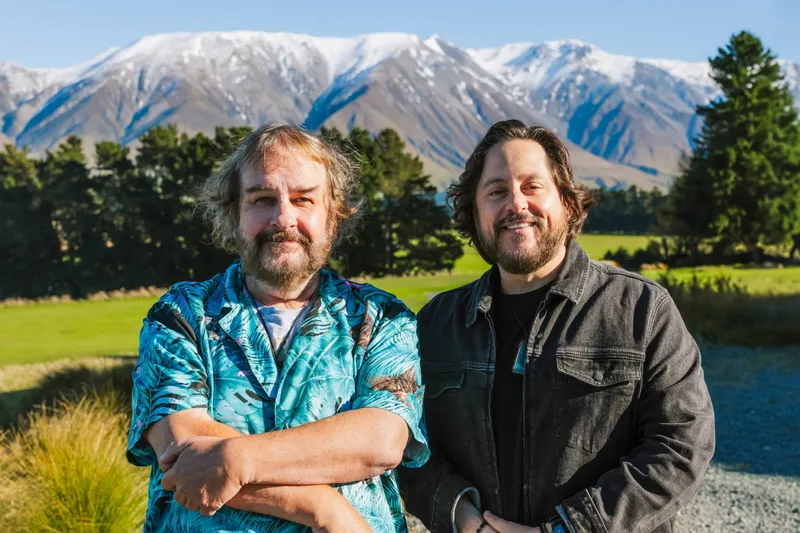
But one thing is certain. The term ‘de-extinction’ attracts attention and media coverage. And this attracts investors. So do flashy promotional exercises and celebrity partnerships. Australian actors and brothers Chris and Liam Hemsworth have backed Colossal’s thylacine project. New Zealand filmmaker Peter Jackson is heavily involved in the project to bring back the giant moa. Meanwhile, a long list of other celebrity supporters includes big names such as Tiger Woods, Paris Hilton and Tom Brady.
“It’s tapping into a pool of donors that want to fund this exact type of work, and they may not want to fund anything else,” Euan explains. “Funding for conservation is not a zero-sum game. The support for de-extinction research has not come at the expense of other efforts to protect and restore nature. It is additional.”
And the money Colossal generates through these controversial means isn’t just used to de-extinct species. The dire wolf project brought lost diversity back into America’s critically endangered red wolf (Canis rufus) population. The company is also building global biobanking infrastructure to capture and preserve genetic material from thousands of species to create a safety net against biodiversity loss and future extinctions.
The research involved in the various de-extinction projects has also produced major scientific breakthroughs in genome sequencing, stem-cell engineering and assisted reproductive technologies – all improving or creating completely new conservation tools. The woolly mammoth team, for example, achieved complex multi-gene editing in mammals, while the dodo team has successfully grown primordial germ cells (PGCs) in a lab for the first time in history, with the ultimate aim that gene edits can be passed through a bird’s offspring – something that’s currently unfeasible.
Colossal’s latest announcement in May this year that they had successfully hatched 26 chicks from an artificial egg they created even triggered praise from Nic. “If the claims are verified, the artificial egg supports the full development of bird embryos outside a biological eggshell without the requirement for supplemental oxygen,” Nic says. “Credit where credit is due. This is really impressive work that will result in a new tool in the conservation toolbox. It requires a lot of funding to develop. Colossal has mobilised this funding that would not have been available for conservation research in the public sector.”
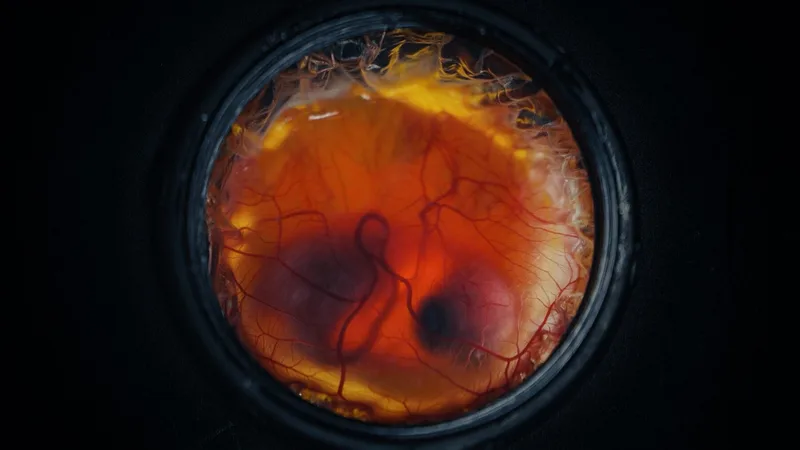
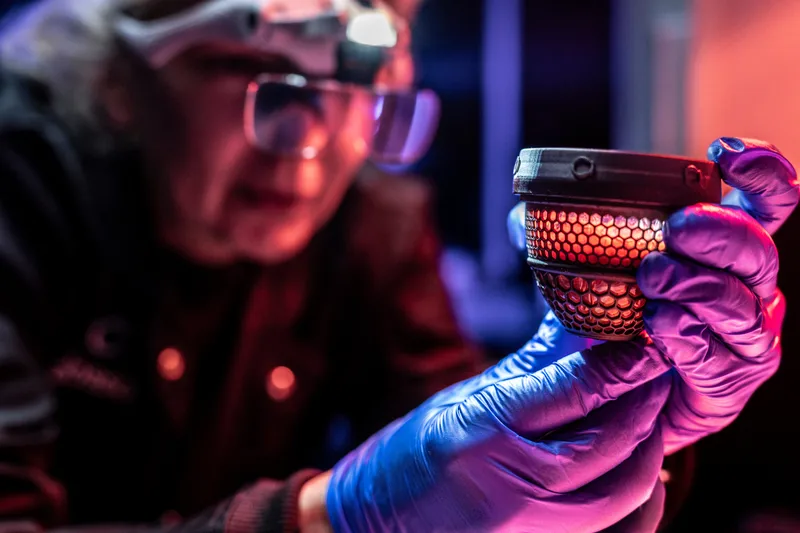
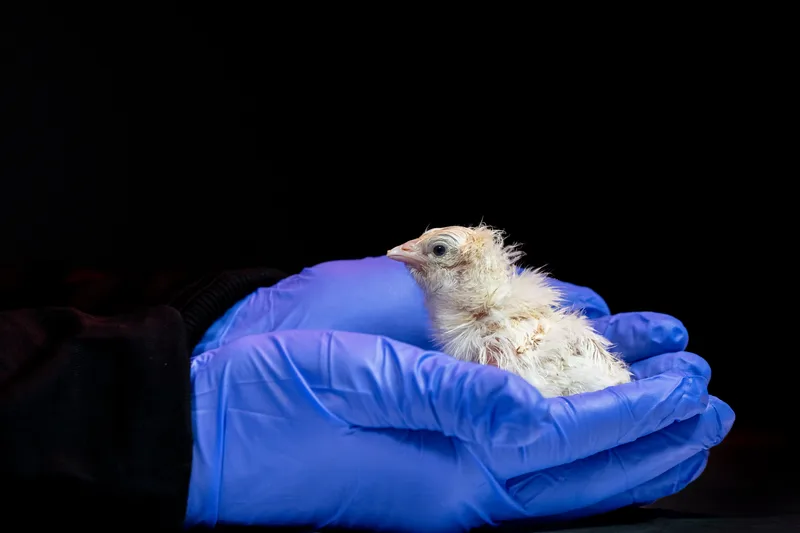
Colossal scientists working on avian artificial egg technologies had a major breakthrough last year when the first live chicks successfully hatched from their first-ever shell-less incubation system. Image credits: courtesy Colossal Biosciences
Here in Australia, thylacine expert and professor of genetics at University of Melbourne, Andrew Pask, says the injection of funding from Colossal has been “a game changer” for his research into de-extinction science, developmental genetics and conservation technologies.
In August last year, Colossal invested $10 million in Andrew’s Thylacine Integrated Genetic Restoration Research (TIGRR) lab. It was rebranded as ‘Colossal Australia’, and Andrew was appointed Colossal’s chief biology officer. Now, he and his team not only work on the thylacine de-extinction project but also a northern quoll cane toad resistance project, native frog and bird conservation projects, and artificial womb developments.
“I’ve worked in the conservation space here at the university for 25 years, and I’ve been very successful, which would mean I’d have enough funding to support two salaries, and a little bit of spending money. Now I have a team of 70 people who are working as part of Colossal Australia,” Andrew says.
“We’re making breakthroughs in assisted reproductive tech, genome engineering on a monthly schedule now. We’ve had major world firsts, things that have never been achieved before. It’s a shame we’ve never had this level of investment [previously], but I really feel like we’re actually moving the needle now in terms of what we can do to save our incredible fauna.”
So, does the end justify the means?
“Absolutely,” Andrew says. “The money that Colossal has brought into conservation is the likes we have never seen before in Australia. De-extinction science is conservation science. The two are not at odds.”
Nic says, “Personally, I think by all means develop this technology, because we need new conservation tools to conserve what we have left. But don’t bring back species from extinction, or bring back poor facsimiles.”
Euan says, “My view on this has changed, and it may change again. For a long time I was really against de-extinction as a concept, because I had the concern that if we have this idea that we can bring species back, perhaps that means there’s even less impetus for saving what we have. But on further reflection, I don’t think that’s true. We’re so far from saving so many species that I don’t think de-extinction is really having any meaningful impact on that.” He also says he can’t see the psyche of the general population having much effect. “At the end of the day it’s largely our governments that are deciding the fate of living species by choosing not to invest in their conservation sufficiently, nor preventing the greatest threats to biodiversity.”
Ultimately, Euan implores people to keep an open mind. “The greatest risk, potentially, in conservation is that we don’t take calculated risks. And people are far less likely to take risks if they fear being hammered when something may go wrong, or when they propose really ambitious ideas,” he says.
“That doesn’t mean we shouldn’t have these debates. It doesn’t mean we shouldn’t ask and expect answers for really hard questions. It is absolutely vital that we do so, but constructively.”