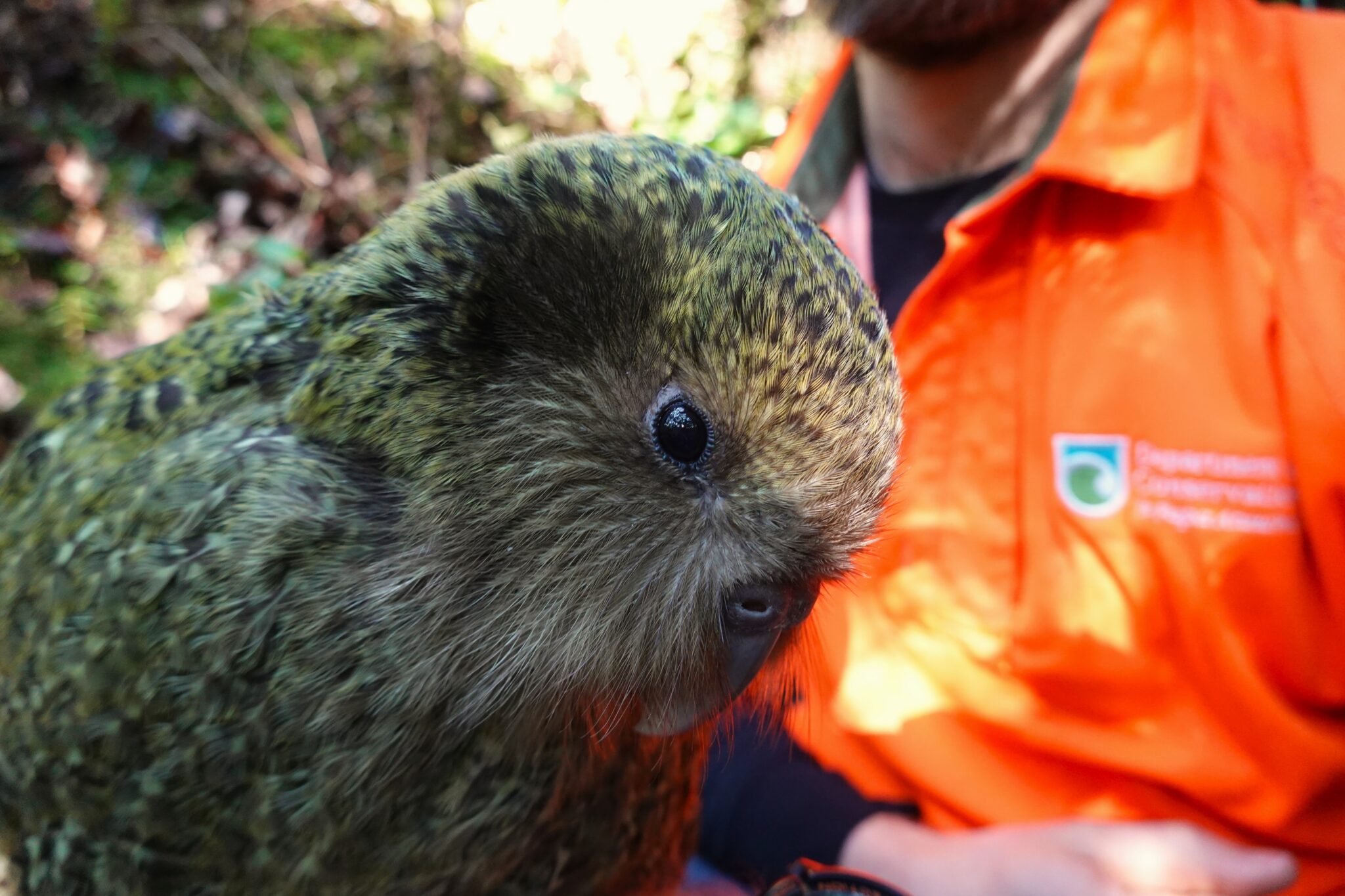
A record-breaking breeding season for New Zealand’s iconic flightless parrot, the kakapo, has resulted in a remarkable population milestone for the critically endangered species.
Drum roll please… the population of the kakapo is now 325!
That’s up from 235 earlier this year. And that’s up from just 51 in the 1990s.
“It’s a significant milestone for the species,” says Deidre Vercoe, NZ’s Department of Conservation operations manager for kakapo and takahe.
“The last time the population is thought to have exceeded 300 birds may have been as long as 75 years ago.”
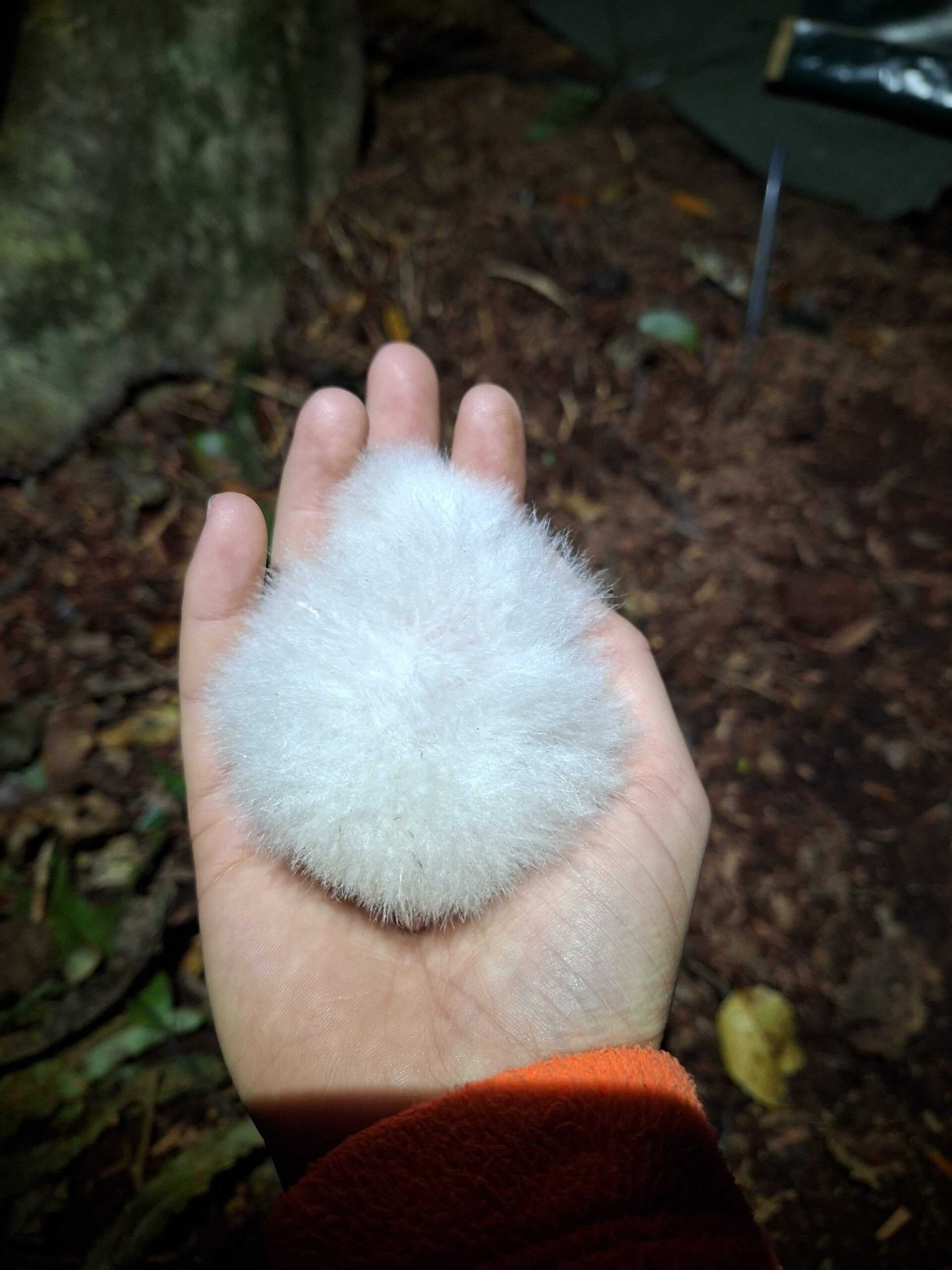
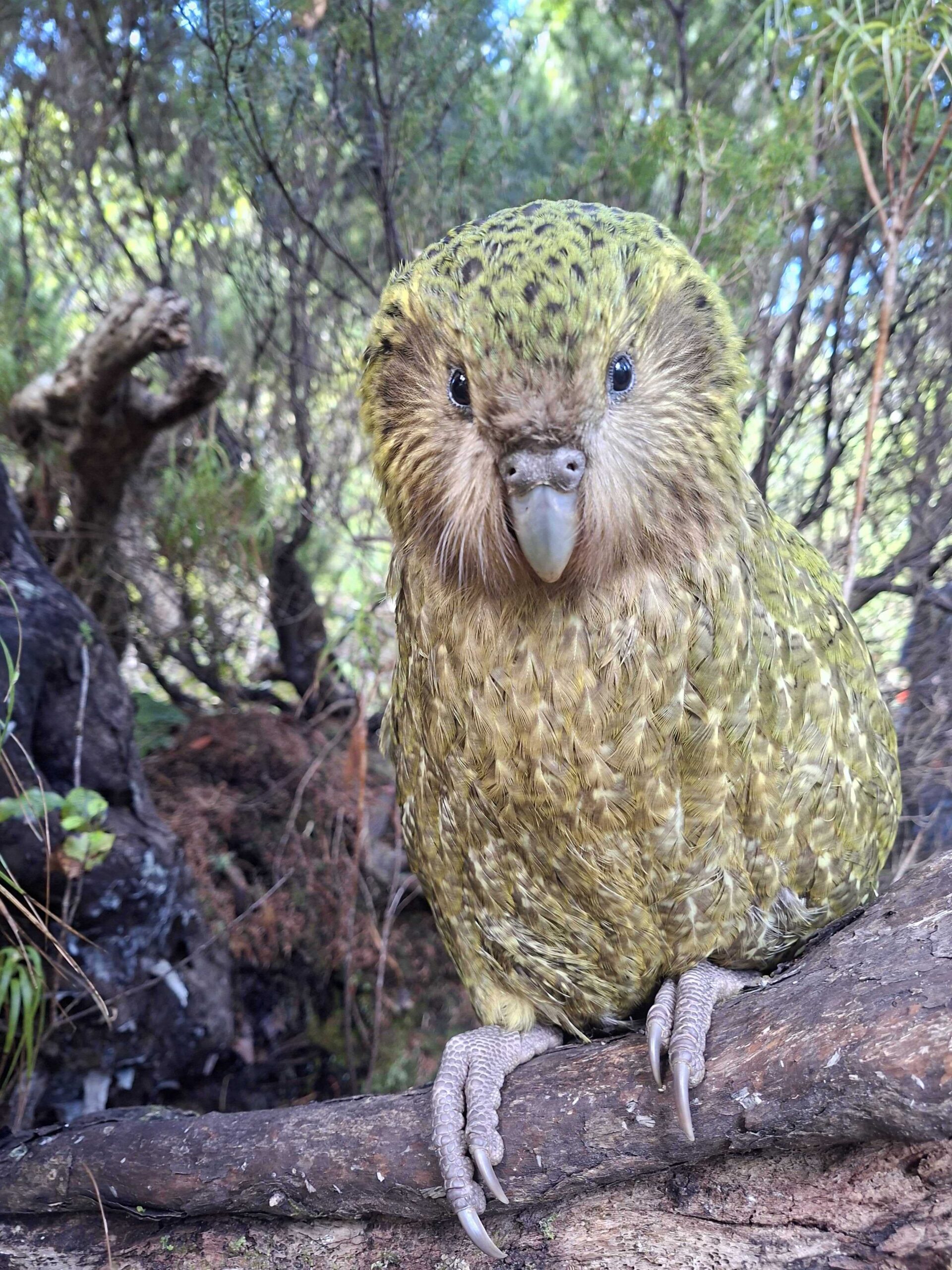
This is also the first time the species has bred at all since 2022.
“We had a four-year gap between breeding seasons,” Deidre explains, “so it’s fantastic to finally see the population increase after all that time.
“There’s still a long road of recovery ahead, but 90 chicks in a single season is a record. In the early years of recovery, it took 16 years to produce that many chicks.”
But wait, what is a kakapo?
The kakapo (Strigops habroptilus) isn’t only one of the rarest birds but also one of the rarest animals on the planet. One of New Zealand’s iconic flightless birds, it’s also the world’s heaviest parrot.
Many may remember when one particular kakapo sent his species skyrocketing to international fame when it, during the filming of a BBC documentary, climbed onto the shoulders of British zoologist Mark Carwardine and attempted to mate with the back of his head:
This video clip went viral online, inspired countless memes, and forever secured the species’ place in pop culture.
Notoriously ‘bad’ breeders
When they’re not mistaking a human’s head for a mate, kakapo face a whole other suite of challenges when it comes to reproducing. Individuals usually don’t start breeding until they’re at least 5 years old, and even then, they only breed when New Zealand’s native rimu trees mast (fruit en masse) – which happens only once every 2–4 years.
Further hindrances include low genetic diversity, infertility and poor hatching success.
Comeback story
Before this latest population spike, the comeback of the kakapo was already one of the world’s greatest conservation success stories.
Once abundant before human settlement, by 1995 kakapo numbers had plummeted to just 51 individuals.
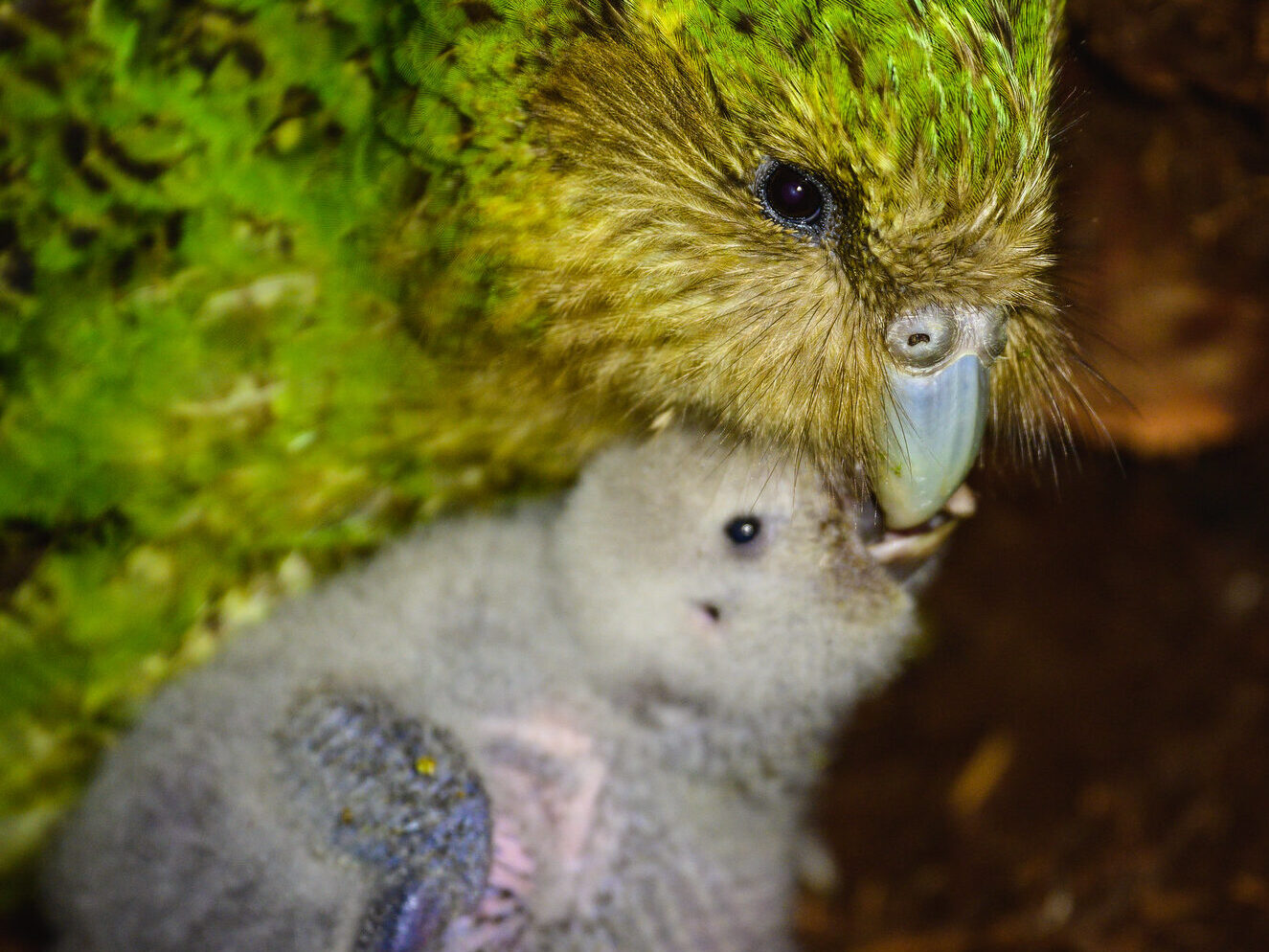
In the decades since, the New Zealand Department of Conservation’s Kakapo Recovery Programme has worked tirelessly, together with Ngāi Tahu (the principal Māori tribe of NZ’s South Island) to rebuild the population. They’ve achieved this by translocating all remaining birds off the mainland and onto predator-free offshore islands and supporting this surviving population through 13 breeding seasons.
The ‘class of 2026’
A kakapo chick must reach 150 days old before it can be added to the official population tally. The final chick to join this year’s count has just reached this milestone, prompting the celebratory announcement.
Of the 90 chicks from the 2026 breeding season, 38 are female and 52 are male.
Coming soon… in the next breeding season
“While we’ll take a moment to stop and reflect on this remarkable year, we’re already looking ahead…and preparing for what could come next,” Deidre says.
She says early predictions suggest the next rimu mast on the kakapo’s offshore islands is likely to occur in 2028, meaning a much shorter wait than it was between the 2022 and 2026 breeding seasons.
“Kakapo recovery is a team effort. We’re incredibly grateful to everyone who contributes their time, expertise and support to helping secure the future of this taonga [a Māori word meaning a sacred or prized treasure].”
The Kakapo Recovery Programme is operated by the Department of Conservation in partnership with Te Rūnanga o Ngāi Tahu and supported by National Partner Meridian Energy. It combines the efforts of iwi, scientists, rangers, volunteers and supporters to protect the critically endangered kakapo.