Once almost lost to extinction, the comeback of the kakapo – Aotearoa New Zealand’s fantastical, flightless bird – is one of the world’s greatest conservation success stories. But seeing one in the flesh is still near impossible.
In a truly once-in-a-lifetime experience, here I am at Sanctuary Mountain Maungatautari in the Waikato region of Aotearoa New Zealand’s North Island – hot on the trail of a kakapo. The bird is somewhere within the almost 3400ha of forest that surrounds me.
I’m with the sanctuary’s kakapo team, accompanying them as they perform a routine health check on one of the three kakapo that live here.
But to fully understand the significance of this opportunity afforded to me, let’s rewind a little.
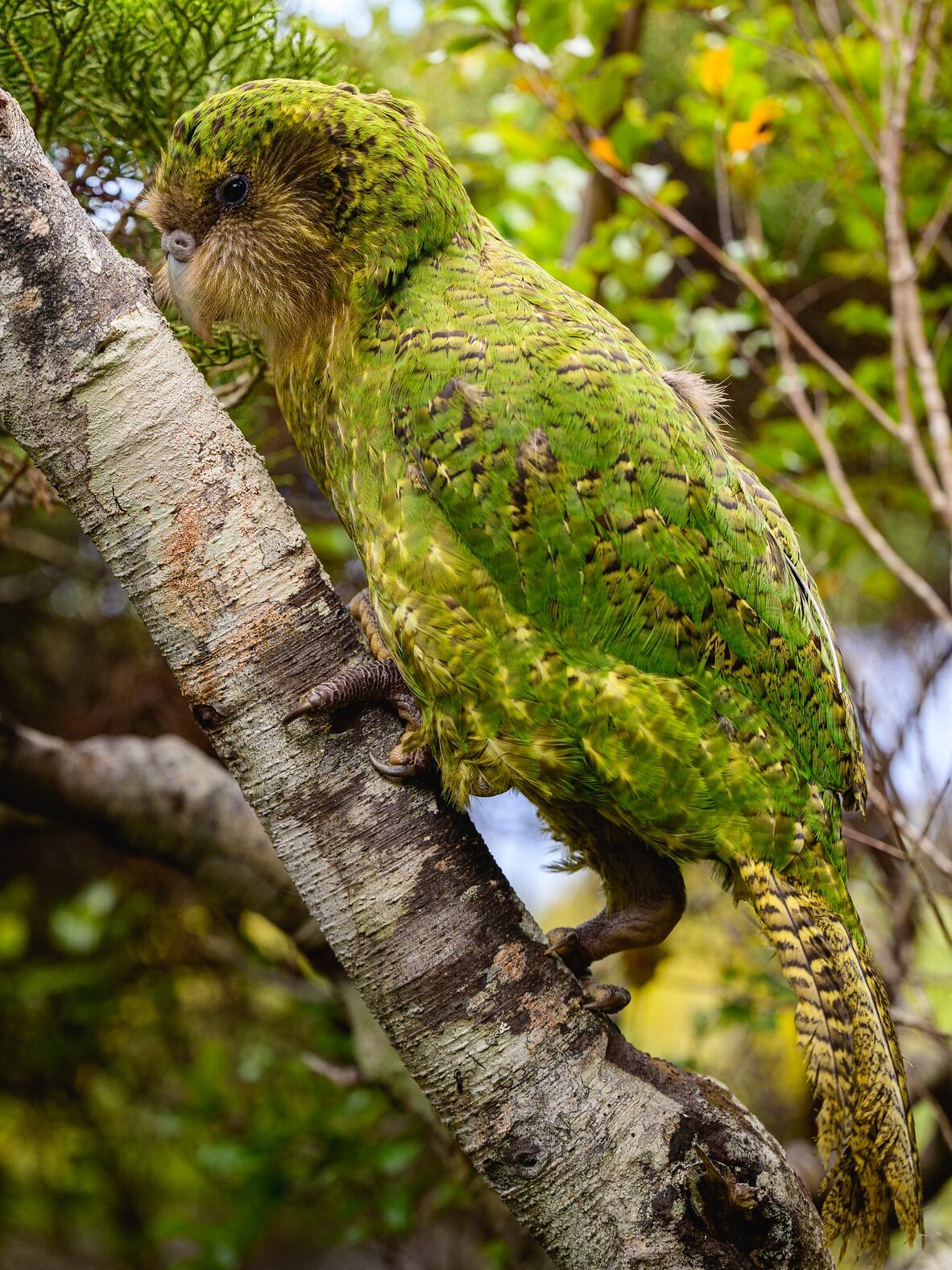
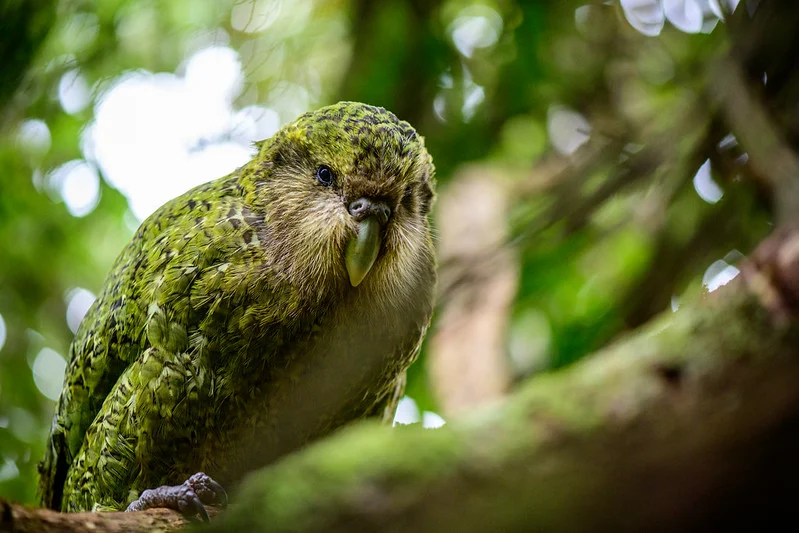
The kakapo (Strigops habroptilus) is not only one of the world’s rarest birds, but it’s also one of the rarest animals on the planet.
Very few humans alive today have ever seen a kakapo. Not even in a zoo or wildlife sanctuary.
Critically endangered, only 236 individuals remain, all living on protected offshore islands inaccessible to the public – all, that is, but the special trio here at Sanctuary Mountain Maungatautari. But these three are also kept away from the sanctuary’s visitor areas.
Like the kiwi, the kakapo is one of NZ’s ‘honorary mammals’ due to its many mammal-like (and unbirdlike) traits.
“I don’t really think of them as a bird that much, I definitely think of them as a mammal,” says Andrew Digby, a science adviser with the country’s Department of Conservation (DOC) and all-round expert on these fascinatingly peculiar creatures.
Andrew offers some examples: “The kiwi and kakapo are nocturnal, which is a common trait of mammals, not of birds. And birds normally use their sight quite a lot, not their sense of smell and hearing. But both kiwi and kakapo also have a really good sense of smell, and really good hearing,” he explains.
“The kiwi and kakapo also have whiskers, which is quite a mammal thing.” Like mammals, the kiwi and kakapo use these whiskers to sense their surroundings in the dark and inspect the size of small spaces. “And they’re all obviously flightless, which they’ve got in common with most mammals and [which is] pretty unusual for most birds!”
The list goes on. The kiwi and kakapo (and takahe!) have solid bones filled with marrow, instead of the pneumatic (hollow) bones of flight-capable birds. Not needing to be lightweight for flight, these solid bones provide the flightless birds with stability and mobility for walking across uneven forest floors. These ground-dwelling birds are also ‘bottom heavy’, as is the case with many mammals, their bulky lower bodies and powerful leg muscles different to the breast-heavy shape of most birds, which need large pectoral muscles to support their wings during flight.
But although the kakapo shares many traits with the kiwi, the pair sit on very different branches of the avian family tree. With no close relatives, there is nothing in the world quite like a kakapo.
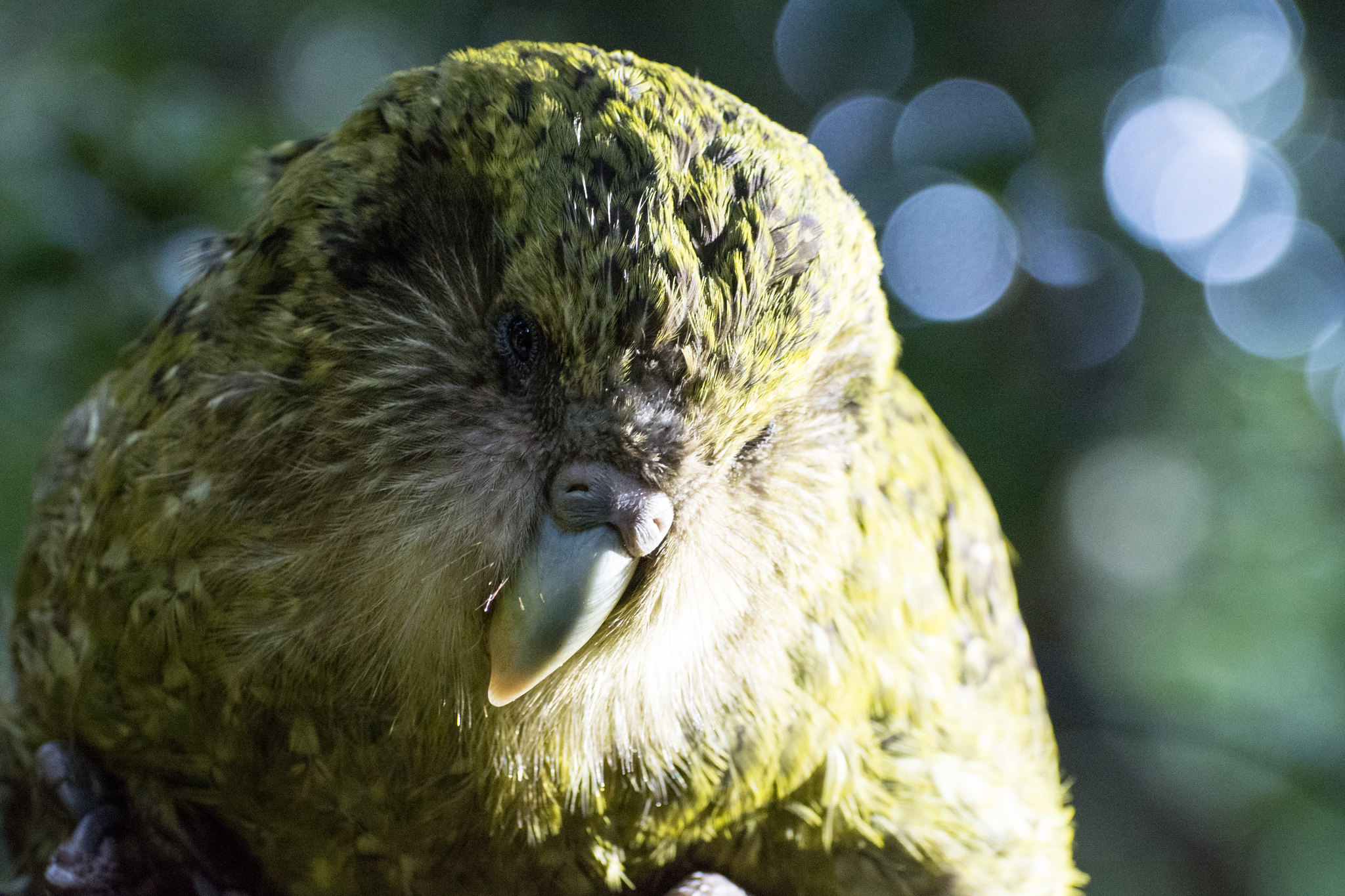
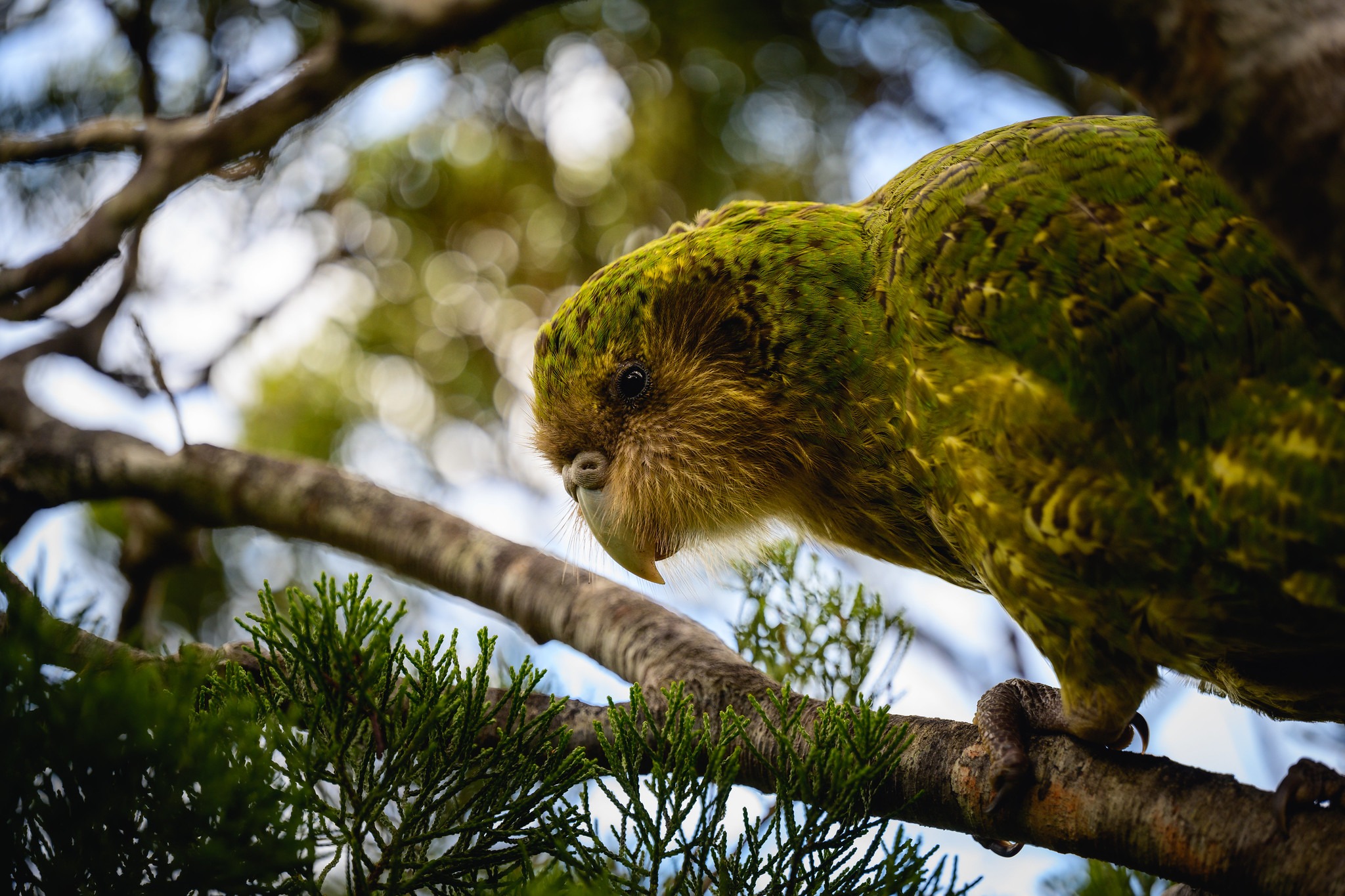
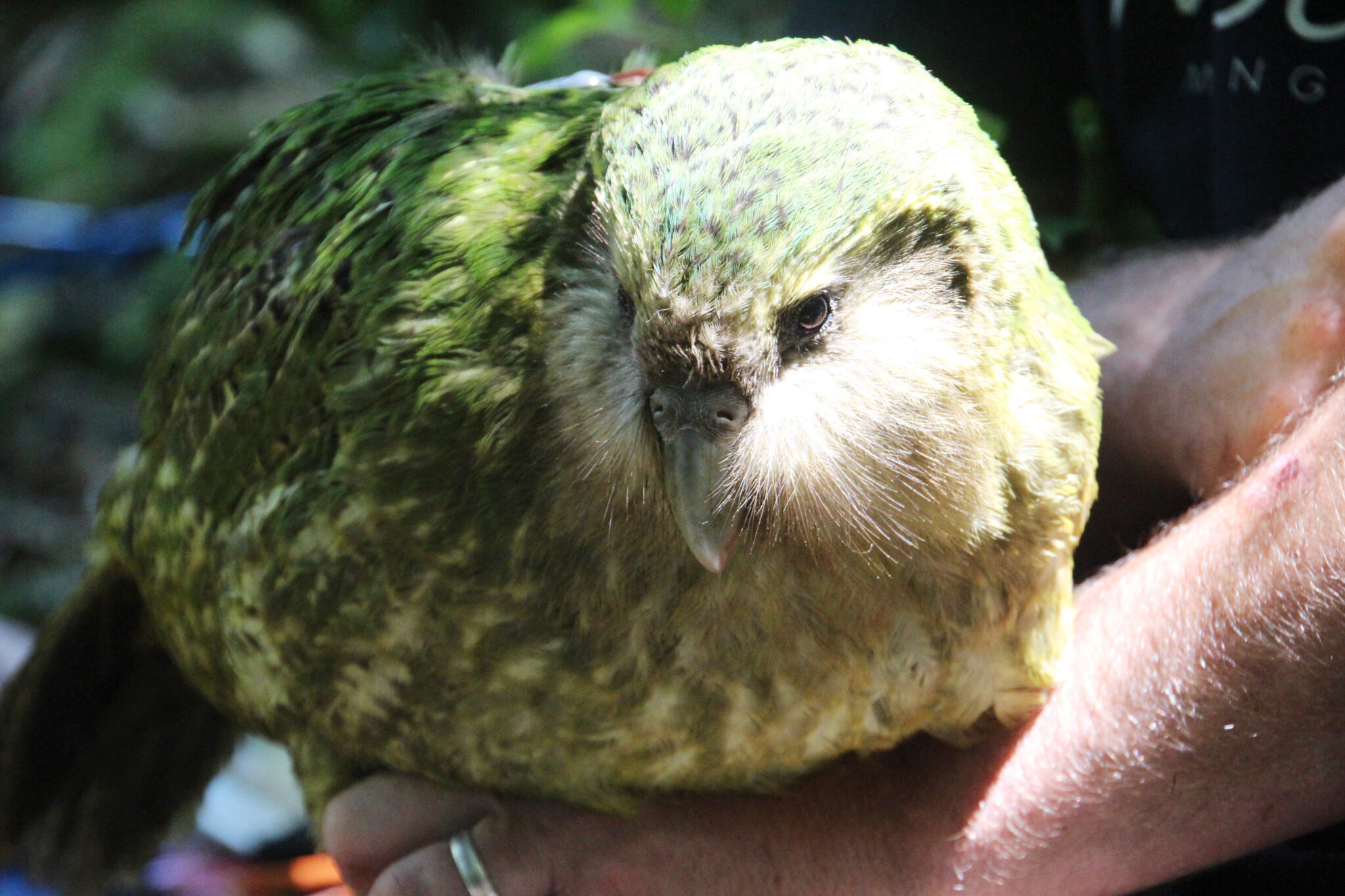
They look like living caricatures, have their own signature musty-sweet scent, and are also extremely bulky, possessing a trademark low stance and waddling gait.
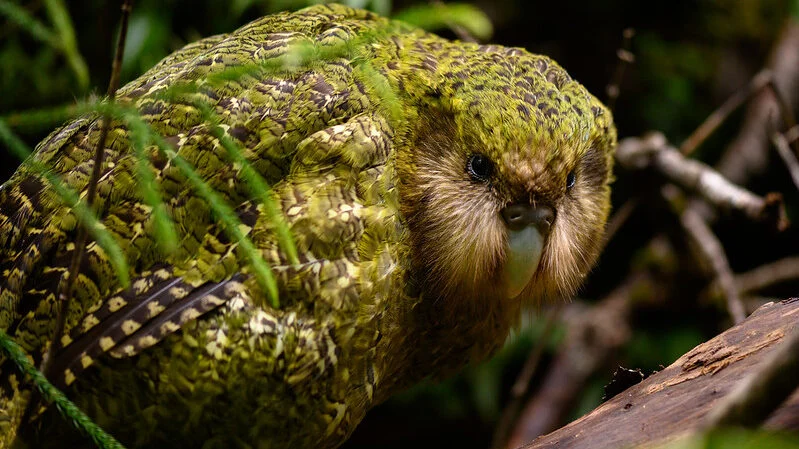
“They’re pretty chunky,” says Andrew, who’s a member of DOC’s Kākāpō Recovery team. “They weigh up to 4kg, but they’re pretty agile too. They climb trees very well. You regularly see them 30m up a tree. And they’re very capable of climbing in the canopy.”
Then there’s its bizarre suite of mating and territorial calls – the most idiosyncratic of which is the male’s ‘boom’. First, the male digs a bowl-like, shallow depression in the ground on the side of a hillside or ridge. This acts as an amplifier when he sits in it, helping to create a series of deep, low-frequency ‘boom’ noises that sound almost like a synth bass drum. The kakapo ‘booms’ for around eight hours a night during breeding season, the sound travelling up to 5km through the forest:
Once abundant before human settlement, by the 1970s the species was thought to be functionally extinct. At this time only the odd male had been found in the wild despite numerous intensive expeditions. But a breakthrough came in 1977 when a population of around 200 individuals was found on Rakiura Stewart Island. Soon, it was confirmed the population included females. What followed throughout the 1980s and 90s was a mammoth conservation effort that saved the species – the translocation of all individuals off the mainland and onto the offshore islands.
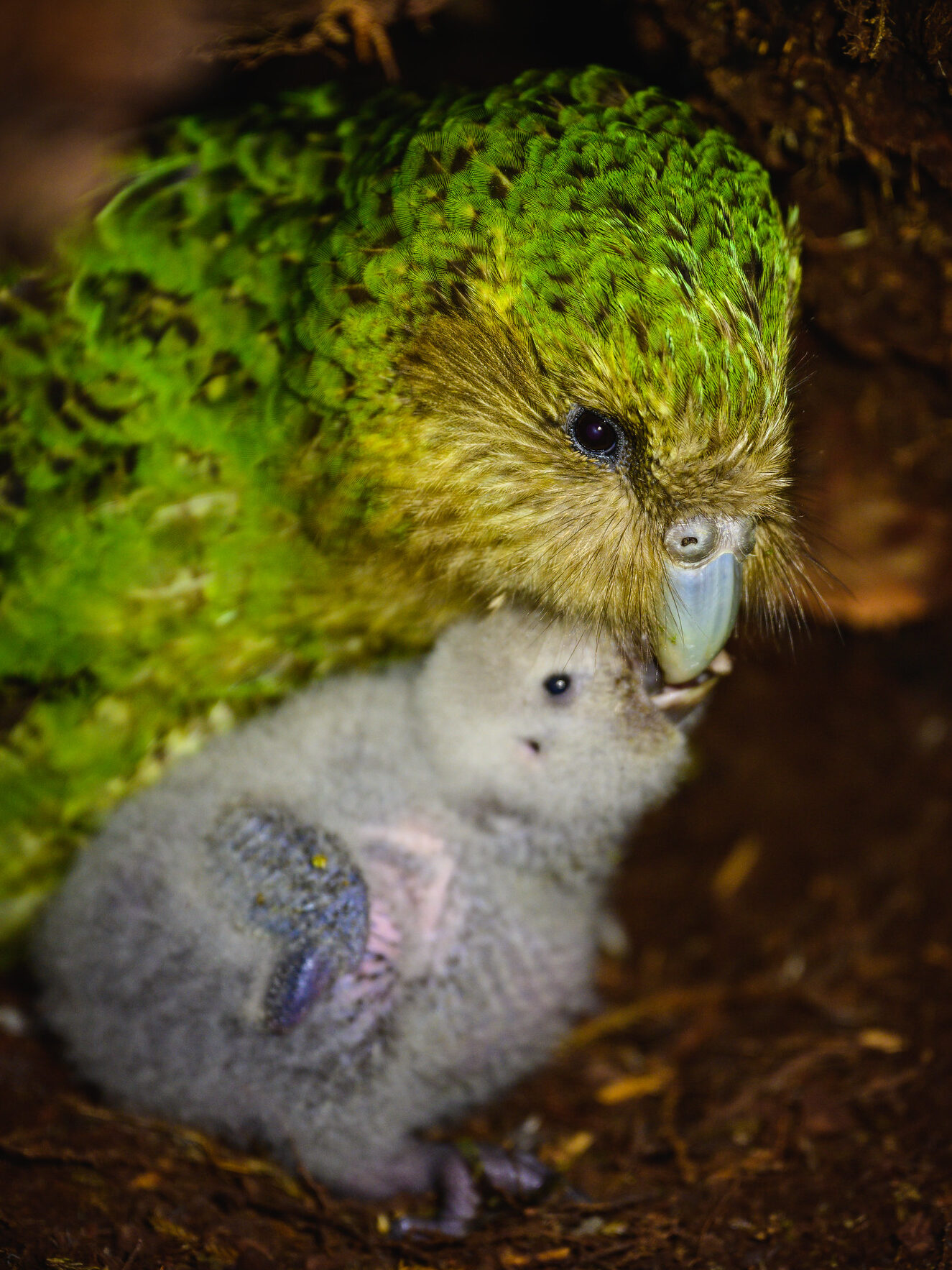
Today, the Kākāpō Recovery team – led by DOC, in partnership with Ngāi Tahu (the principal Māori tribe of southern Aotearoa New Zealand), and in collaboration with volunteers, scientists, and other supporters – protect this precious population.
One of the team’s main focuses is doing everything they possibly can to ensure breeding and hatching success. Unfortunately, kakapo are inefficient at reproducing, due to a genetic bottleneck brought about from low numbers. Also, individuals usually don’t start breeding until they are at least five years old, and even then, they only breed when NZ’s native rimu trees mass fruit – which only happens once every two to four years.
“We do supplementary feeding, regular health checks, and medical interventions if needed,” Andrew explains. “Basically, we do a lot of stuff like that to try and make sure we get as many chicks as possible at the end of a breeding season.”
“With kakapo, we also use a lot of technology. It’s really important,” Andrew says, adding that every single kakapo wears a radio transmitter. “I can look on my computer right now and know what every kakapo is doing. We can monitor if their activity levels drop – so they might be sick, or they might be nesting. We can tell who’s mated and when they’ve mated and who they’ve mated with – so it is very intensive.”
The last five decades have seen kakapo thrive on these small islands. So much so that the kakapo habitat on these offshore sanctuaries is reaching capacity. “We’re actually running out of space for kakapo,” Andrew says, “their islands are reaching capacity.”
While this is indeed a good problem to have, it’s still a problem, making it one of DOC’s next great challenges. “We need new habitat, but we won’t introduce any populations to the mainland because the mainland is just not ready. There are too many predators still,” Andrew says. “It’s frustrating because there’s a lot of beautiful forest [on the mainland] that we would put kakapo in tomorrow if there were no possums, cats or stoats there.”
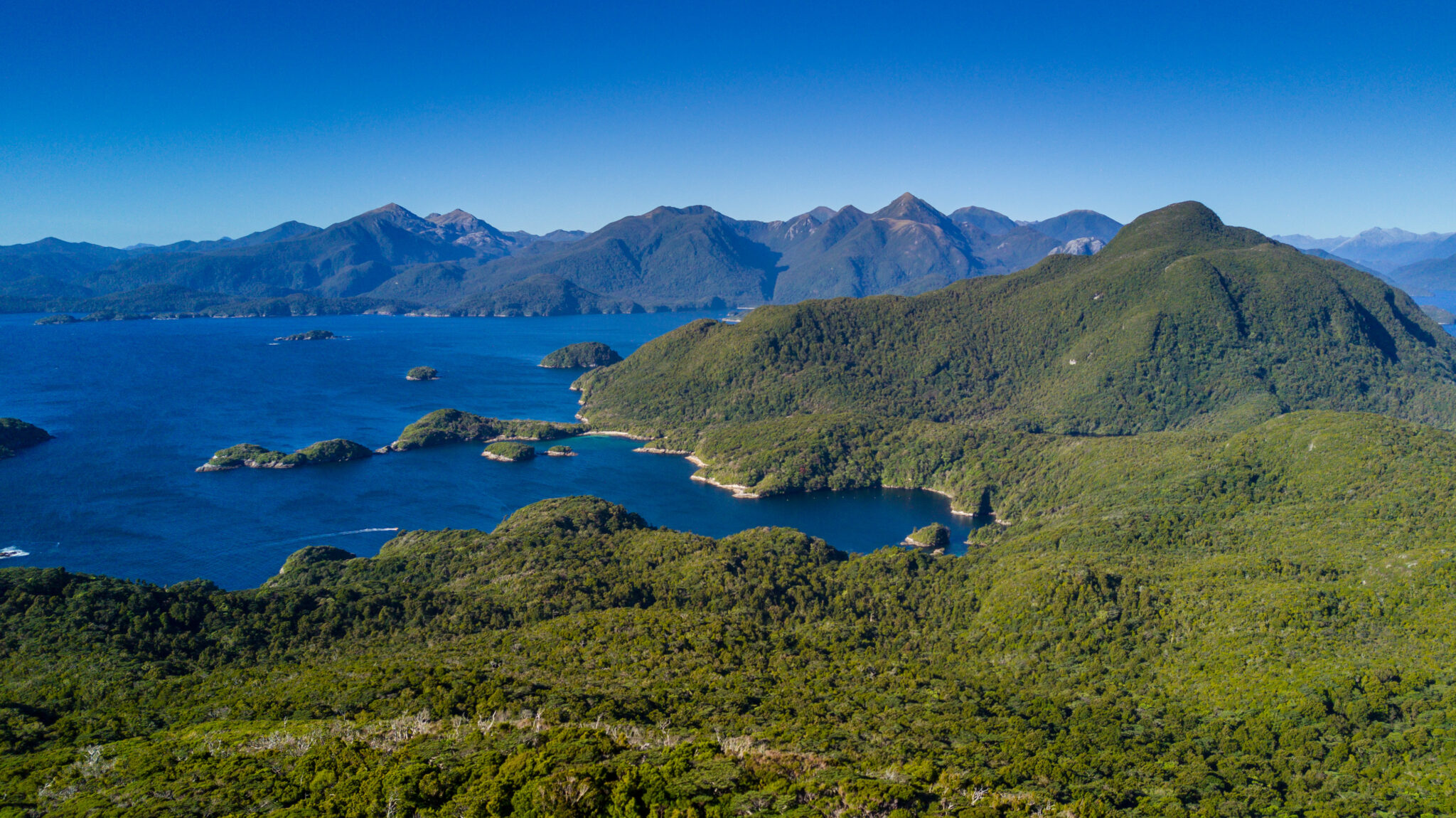
While efforts to eradicate pests from the mainland continue, the most obvious solution to the kakapo outgrowing its island habitats, at least in the interim, is by introducing individuals into the mainland’s predator-proof, ring-fenced sanctuaries.
There are several of these established across both the North and South islands, and plans for more. These sanctuaries are not only free of mammalian predators, but the environments and ecosystems within have been restored to their natural, pre-human states. “They play a really important role,” Andrew says. “If we get large areas of unfenced forest without predators, that would be great, but we’re not there yet. So, we need protection in these next few decades.”
The largest of these mainland sanctuaries is Sanctuary Mountain Maungatautari – where I am today. Surrounded by farmland, this surviving remnant old-growth forest is encircled by a 47km pest‑proof fence – the longest of its kind in the world.
In July 2023, in a massive milestone for kakapo conservation, four male kakapo were translocated here, taken from Whenua Hou/Codfish Island, making them the first kakapo to live on the mainland in almost 40 years, and the first to live on the North Island for more than a century.
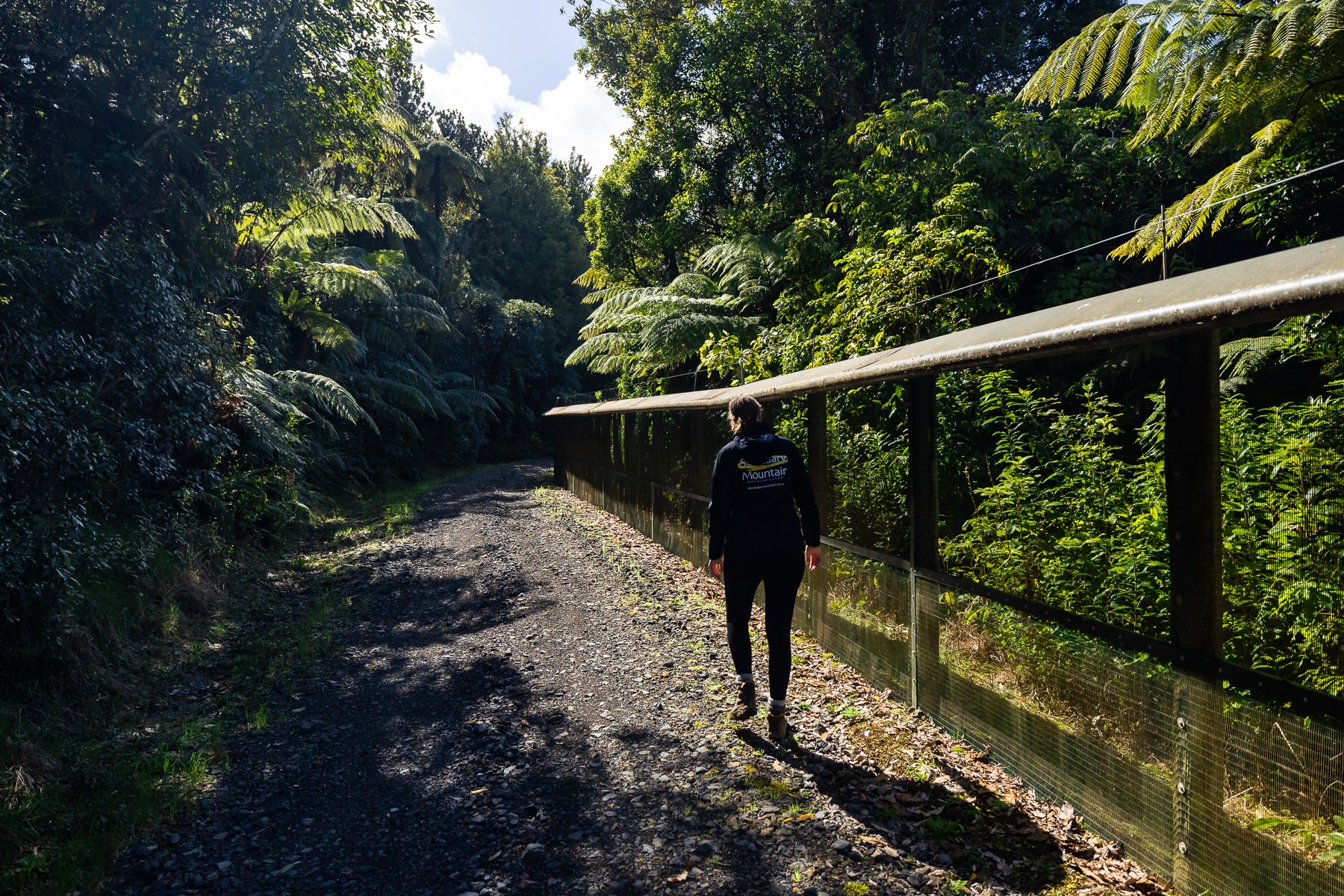
In September 2023, a further six individuals were introduced. What followed was a series of trial and error, with some of the kakapo somehow managing to repeatedly breach the fenceline while exploring their new home. Thankfully – due to all being fitted with VHF transmitters, and the fence monitored 24/7 – no kakapo were lost. However, many were returned to offshore islands. Today, three adult males remain.
“What is happening here at Maungatautari is a trial,” says Dan Howie, the sanctuary’s operations manager. Previously, Dan was a ranger here and has been deeply involved with the kakapo.
The aim of the trial is to answer two main questions: can the kakapo survive (and thrive) in a fenced sanctuary? And can the kakapo live and breed in this particular habitat long-term?
“Maungatautari is the only fenced habitat in New Zealand big enough for a larger population of kakapo to potentially live. So, it really is about working out how we could make that happen and how we could make that work,” Dan says.
I ask Dan why no female kakapo have been brought here as part of the trial.
“The females are so, so precious. Frankly, they’re just too precious to risk,” Dan explains. “They do all the work when it comes to rearing the young and with total population numbers still so low, they are all needed at breeding sites.
“We need to know more – this trial is about learning. Females may come here down the track, but we have a lot to learn before we get to that stage. And so, together with the Kākāpō Recovery team, we’re not going to bring females to Maungatautari until we know 100 per cent that it’s a viable site where they could safely breed. They’re just too precious.”
The kakapo trio currently living at Sanctuary Mountain Maungatautari – all away from public view – have been named Bunker, Taeatanga, and Tautahi.
“They’ve all got different personalities – just like people. And like any intelligent animal, they really do have really distinctive traits,” Dan tells me as we walk through the forest.
Today, Dan is chaperoning me on this adventure. With us are ranger Craig Montgomerie and species, science and research lead, Tori Budd – and it’s Bunker’s turn for a health check.
“Bunker usually has the most calm demeanour of the three of them. He is probably the most cautious of all our birds. He tends to take it a bit slower and he doesn’t travel as far as the others,” Dan says. “But he’s also just like us – on any given day, he can be in a different mood.”
It’s hard work locating Bunker (as it is for all kakapo here – considering they have almost 3400ha of dense bush to hide in!), but for Dan, Craig andTori, it’s all in a day’s work.
“One of the pieces of tech that Andrew Digby from the Kākāpō Recovery team worked with a Lithuanian company, Ornitela, to develop is a specific GPS tag that is fitted to all three kakapo,” Dan explains. “One of the challenges with Maungatautari that we always joke about is that ‘Maungatautari is the place where radio transmitter signal goes to die’, because it’s really steep, really difficult terrain, and there’s really thick vegetation cover.”
And so, our day begins with a drive around the fence perimeter, stopping as close as we could to Bunker’s last registered GPS location. Then, Craig sends up a drone to detect Bunker’s unique radio signal.
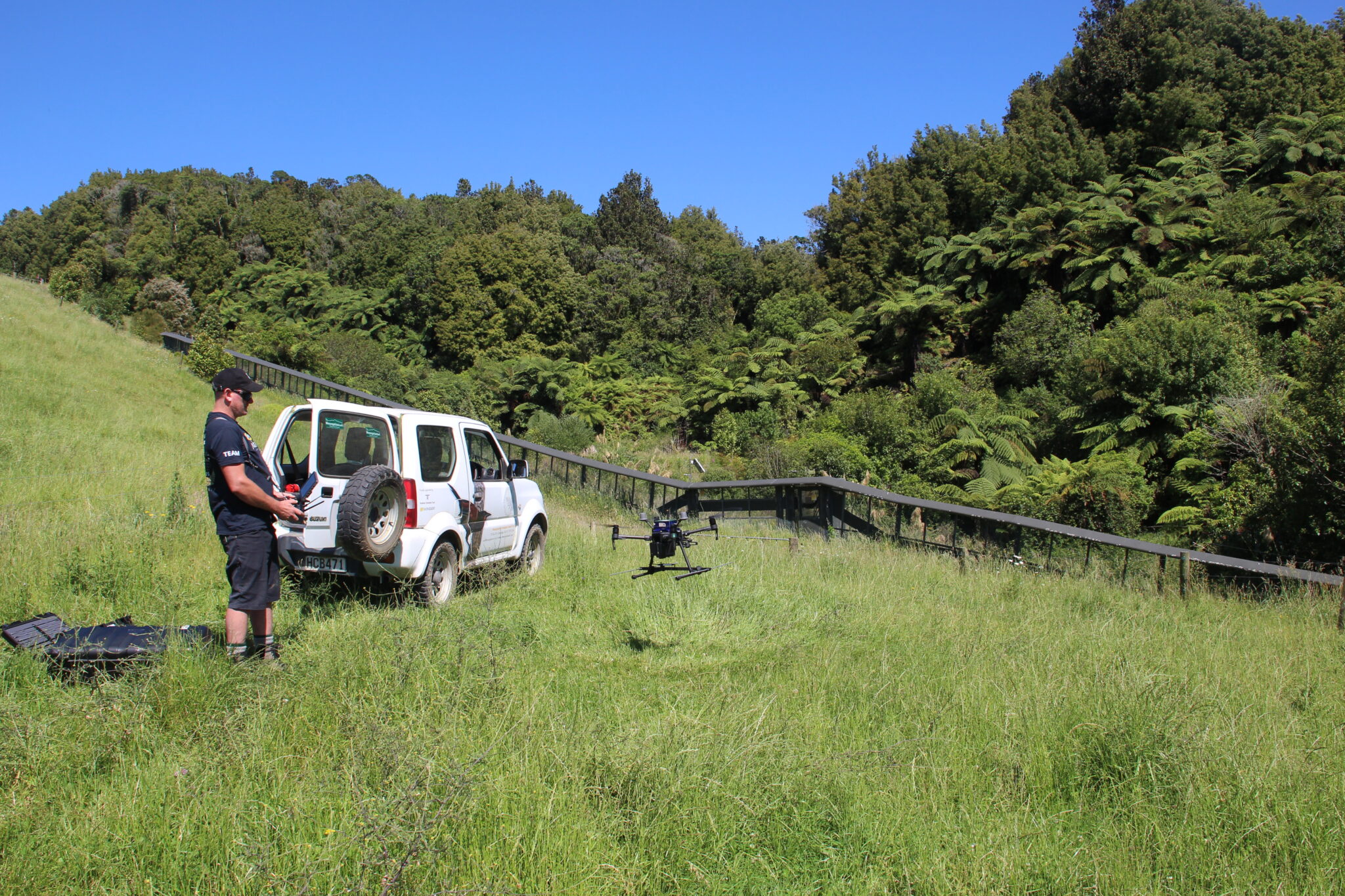
“The main way we track them is using traditional radio telemetry. So, all the birds are fitted with a radio transmitter. It’s a little unit they wear, like a backpack, and it sends out a radio pulse every two seconds. Each bird has a unique frequency,” Dan says.
“Craig is our specialist with the drone and in monitoring [the kakapo] with drone tech. Our drone is fitted with a unit from an Australian company, Wildlife Drones. The unit scans for all of those radio transmitter signals as it flies around. And so, if you fly above the bird or in the vicinity of that bird with the drone, it’ll alert you.”
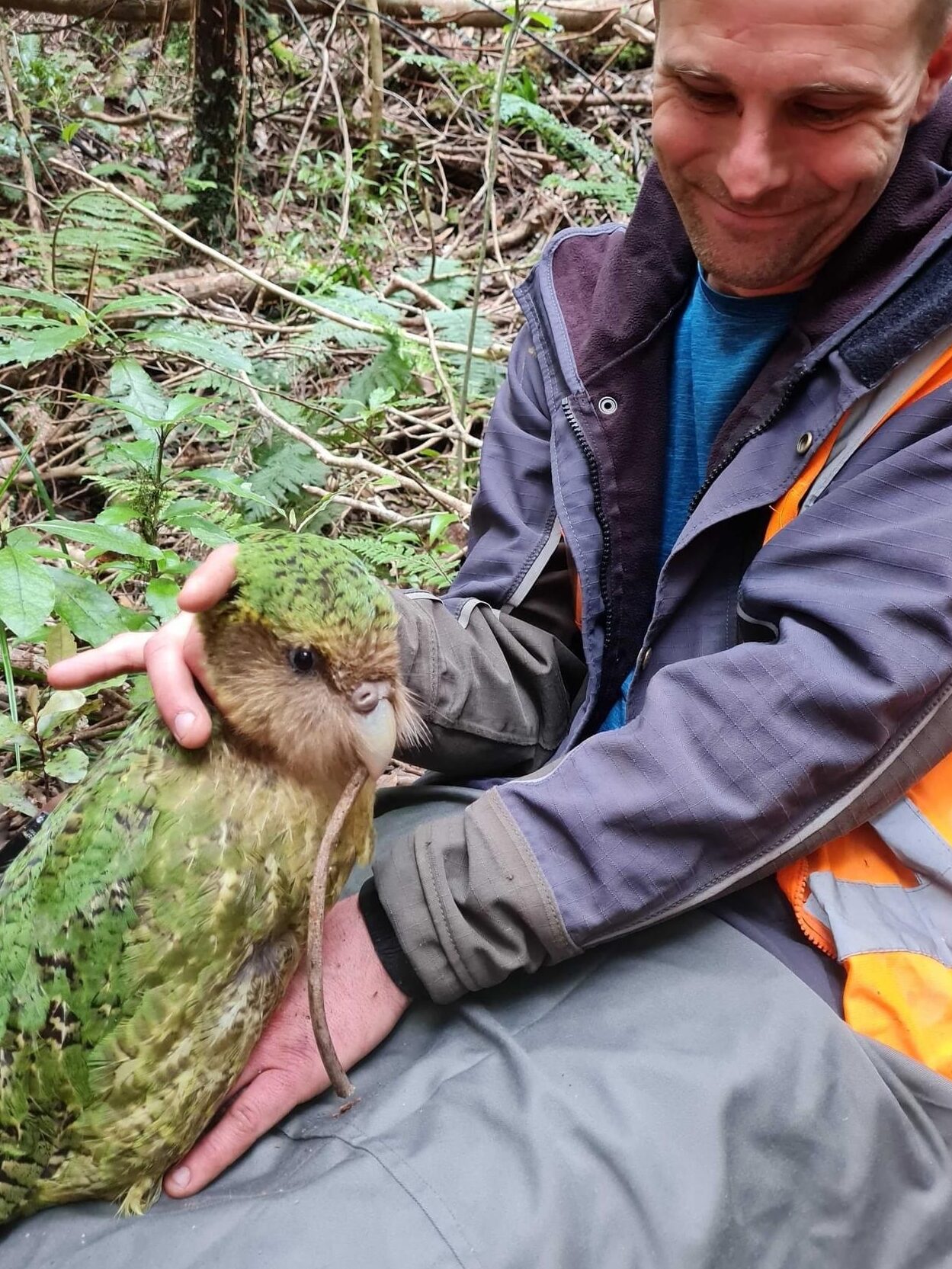
After the drone reveals the general area of Bunker’s position, the team (with me in tow) enters the forest, radio signal receiver aerials in hand, to narrow down a more precise location. What follows is a marathon search on foot, until Bunker is finally spotted – extremely camouflaged on a tree branch. While I stand, squinting at the tree, struggling to even make out where the tree ends and Bunker begins, Craig, Dan, and Tori have hatched a plan and, each approaching Bunker from a different angle, close in on him.
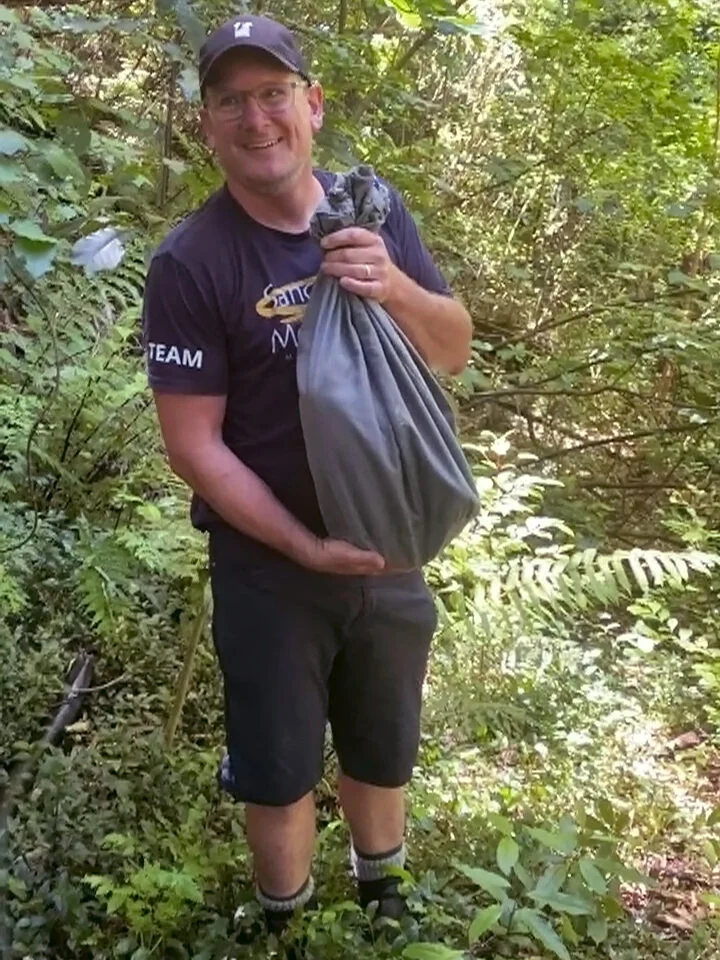
Soon, the team emerges, Craig with a large, heavy (wriggling) sack in hand. He regales me with the tale of the pursuit: “That was really funny – we finally got his claws off the branch, then he kept latching on with his mouth!”
We find a clear, flat, patch of forest floor, and the team set themselves up for the health check.
The moment has finally arrived. I am about to see a kakapo in the flesh.
As Craig reaches into the bag, he and Dan look up at me, eager to see my reaction. “You never forget your first time seeing a kakapo,” Craig says.
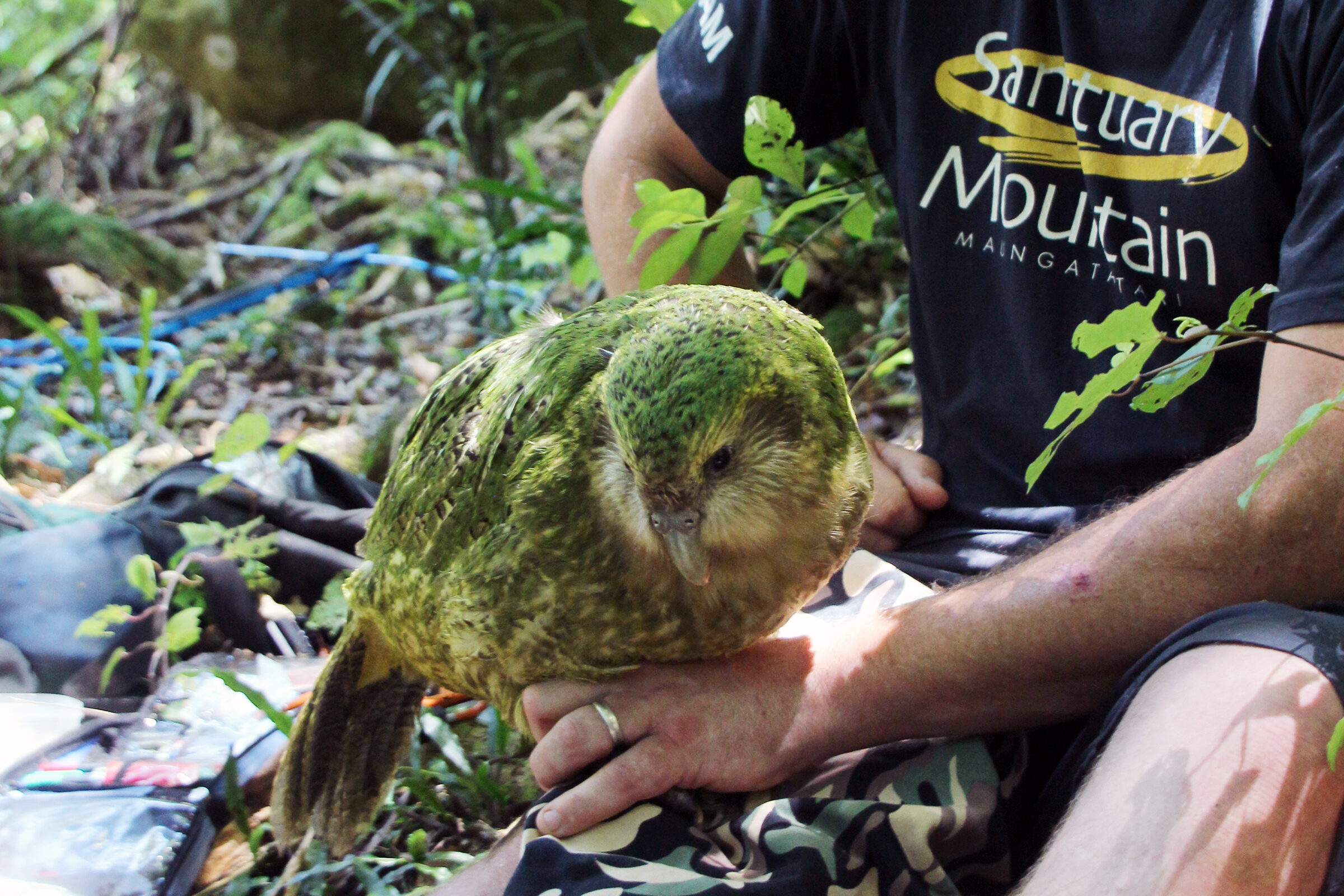
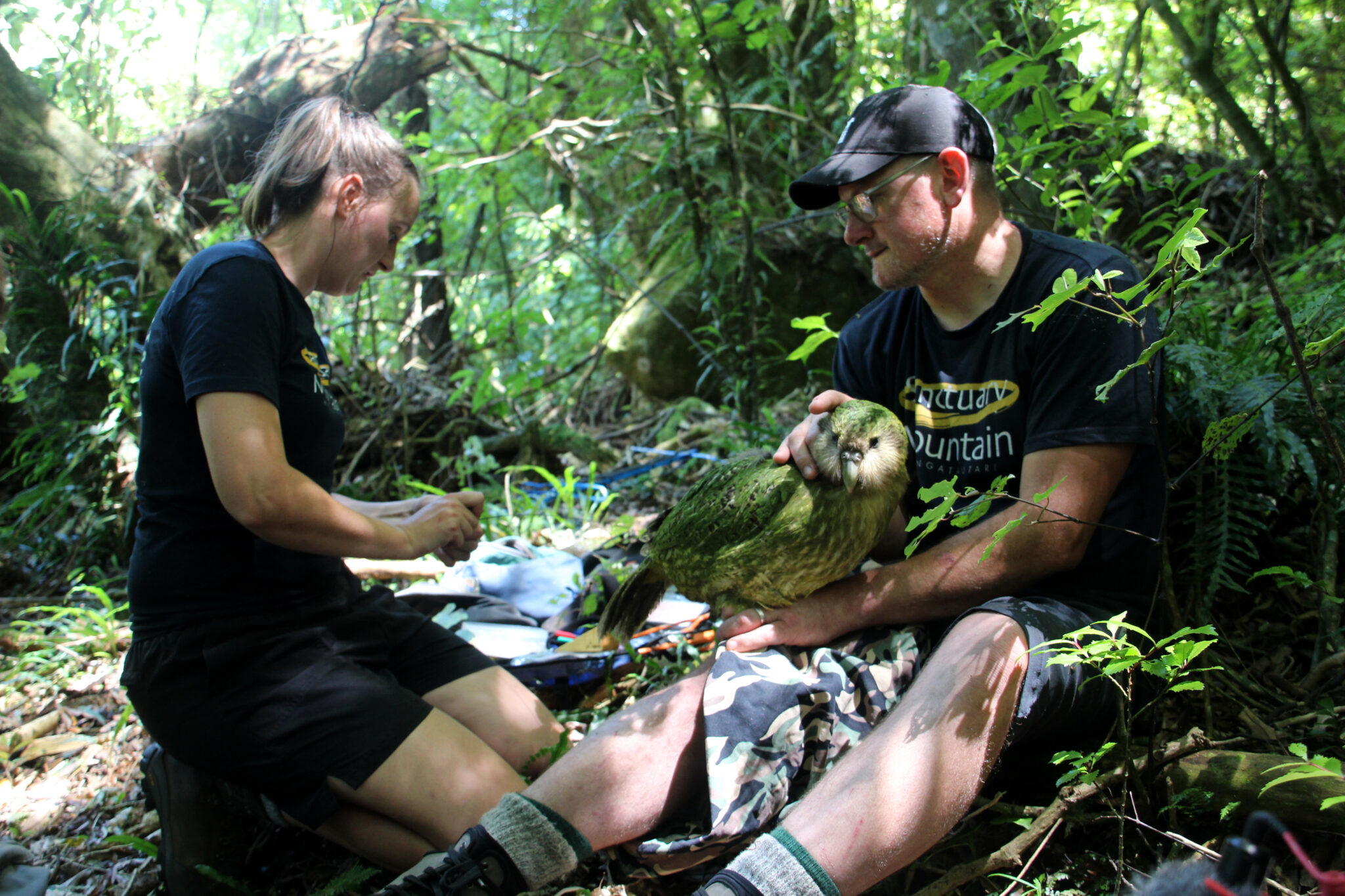
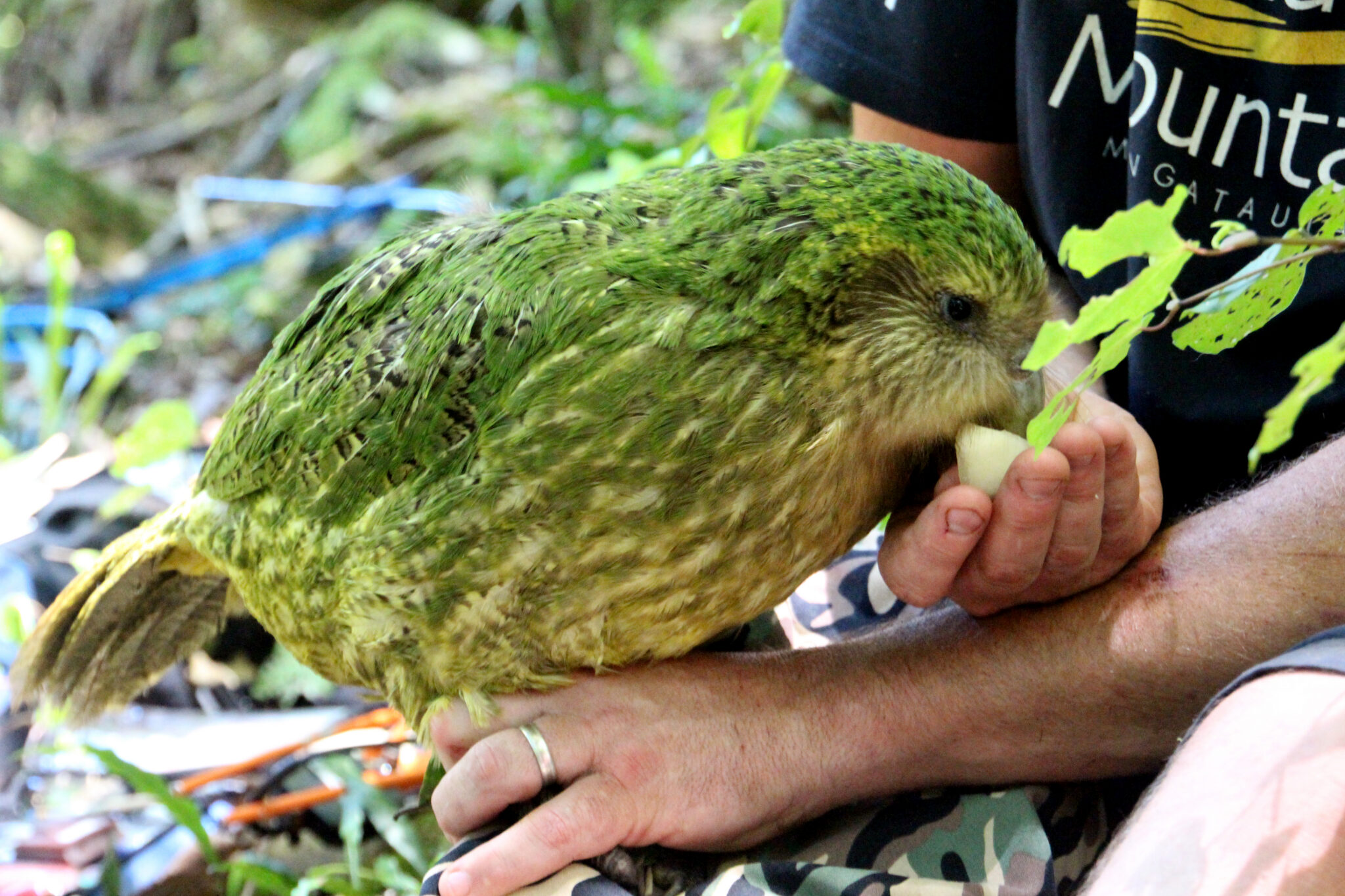
When Bunker emerges, I’m truly speechless (which is uncommon for me!). I find myself transfixed on this one creature in front of me. I’ve seen photos, I’ve seen videos, but seeing this kakapo in real life is something else. It’s so unique, so quirky, so rare, and so grand. Everything else in my field of vision fades away.
Understanding the gravity of this moment, I continue to stare (I am later told, with a look of awe on my face). Knowing this may be the one and only time in my whole life I will see this enigmatic animal, I want to make this moment last.
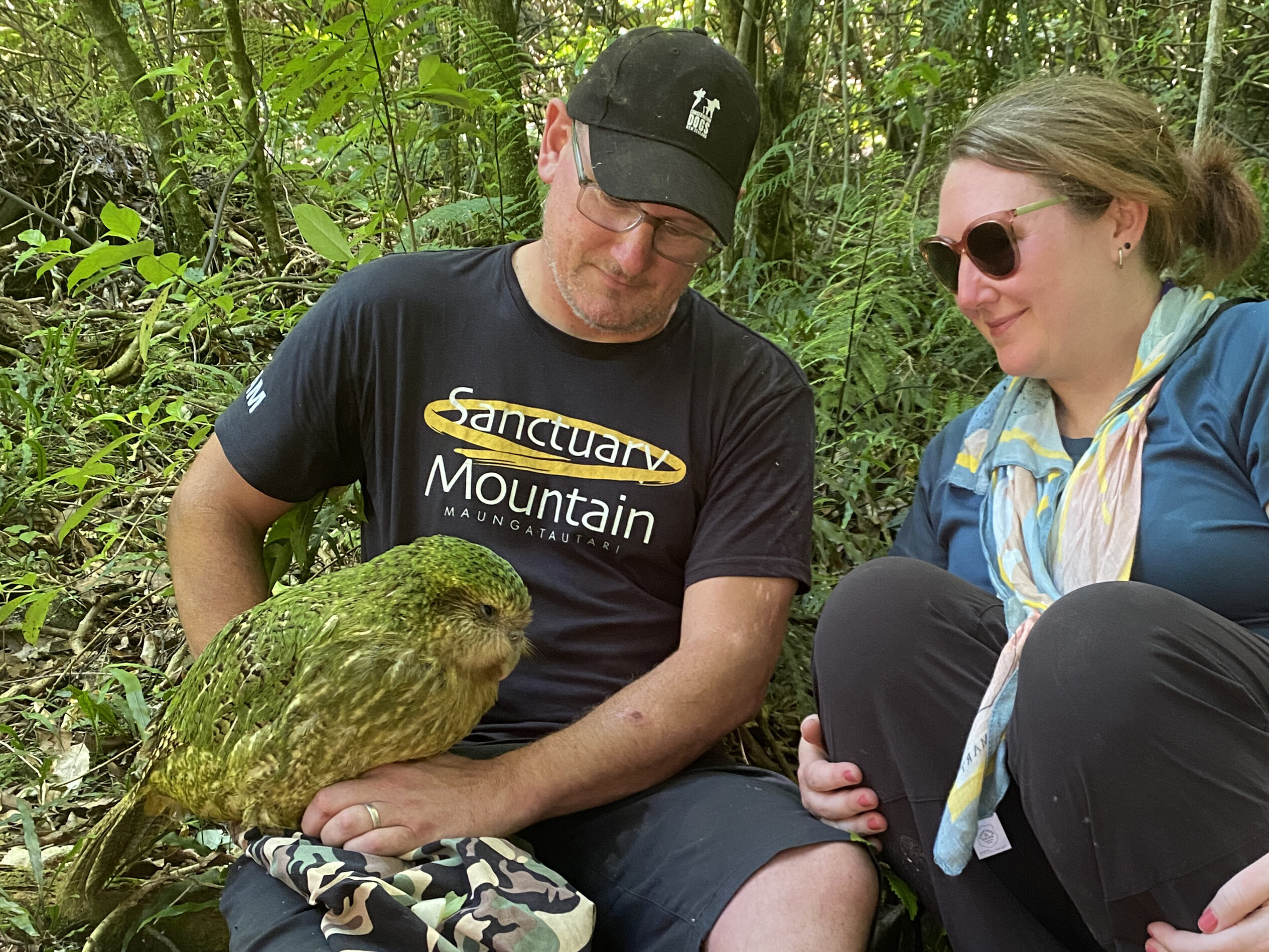
As the team work through the various stages of Bunker’s health check, I refocus on what’s going on around me. Bunker passes his health check with flying colours. As he is released back into the forest and waddles out of view, I notice massive grins on the faces of Craig, Dan, and Tori. It seems the thrill of a close kakapo encounter doesn’t wear off after the first time. These seasoned professionals still get excited.
As we walk back through the forest, on a high from our successful mission, I’m reminded of something Andrew had said to me when describing what it’s like caring for kakapo on the offshore islands.
“When we’re in our tents at night we’ll have kakapo running around outside, juveniles all playing and just going crazy, sort of playing havoc. There’s also the booming. And it’s noisy! The males boom all night long.
“It’s pretty amazing.”
I imagine this forest sounding like that. And hopefully one day it will, along with all mainland forests – full of kakapo, unmanaged, just roaming in the wild.
“Watch this space,” Dan says. “The trial is ongoing.”
Read Next
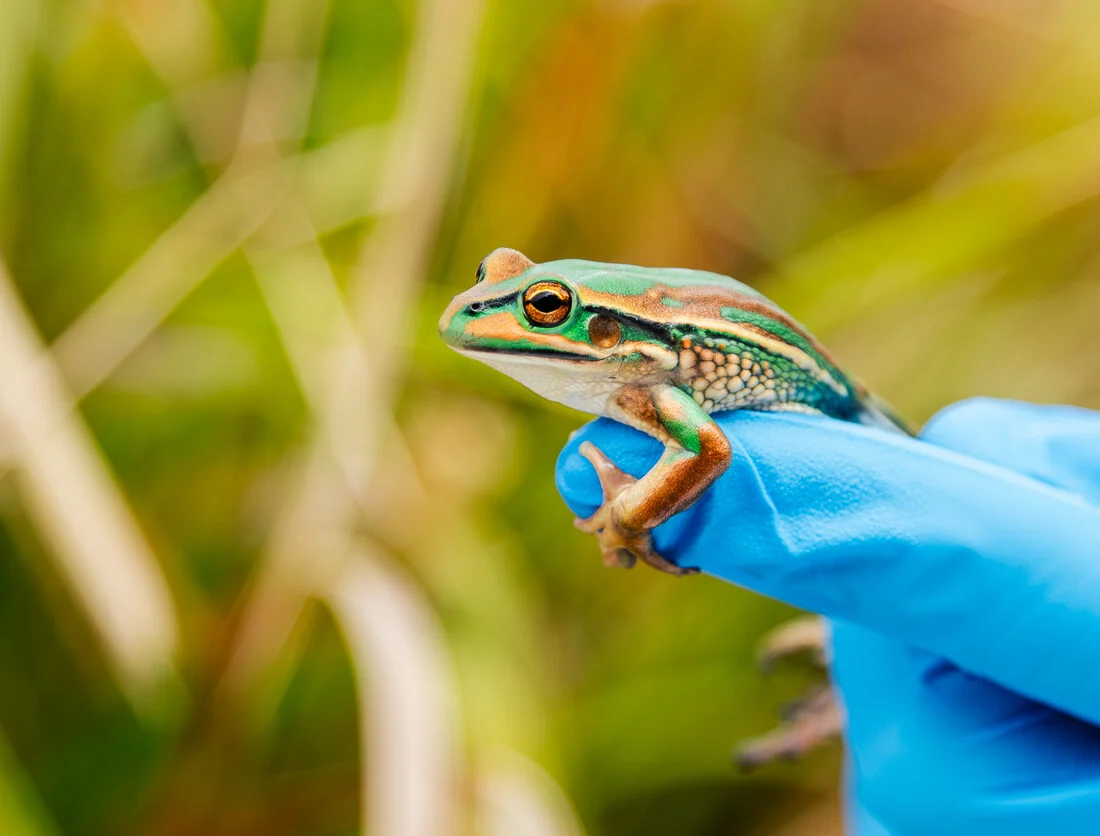
Researchers have released more than 400 green and golden bell frogs into Canberra’s Mawson Ponds. The plan? These frogs will fight deadly chytrid fungus by using new ‘saunas’ and ‘spas’ that kill off the pathogen – and ultimately help restore wetlands.
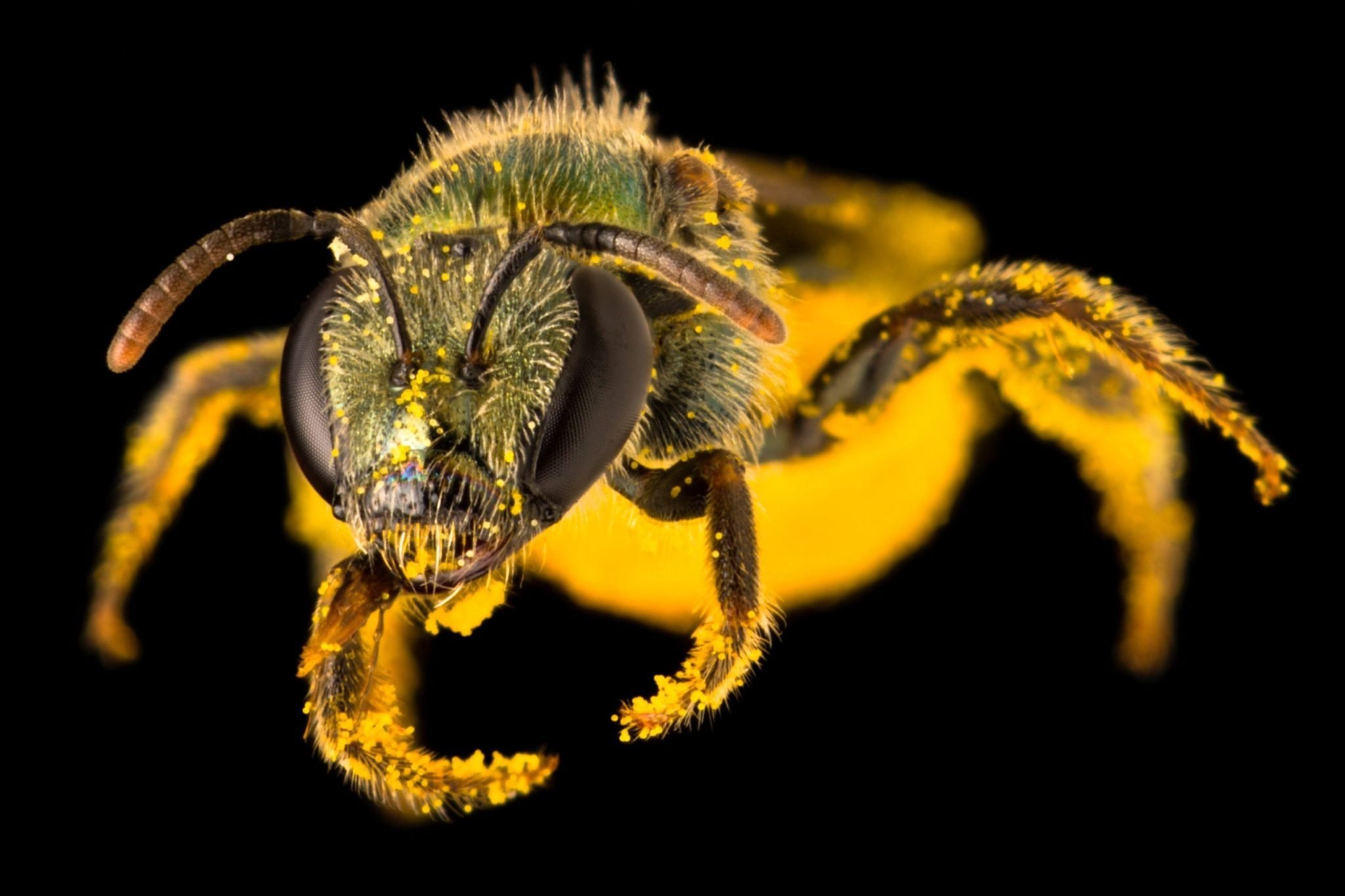
A new study not only provides the first statistically derived estimate of bee species richness around the world, but it also provides the tools needed for scientists to estimate the number of all species on earth.