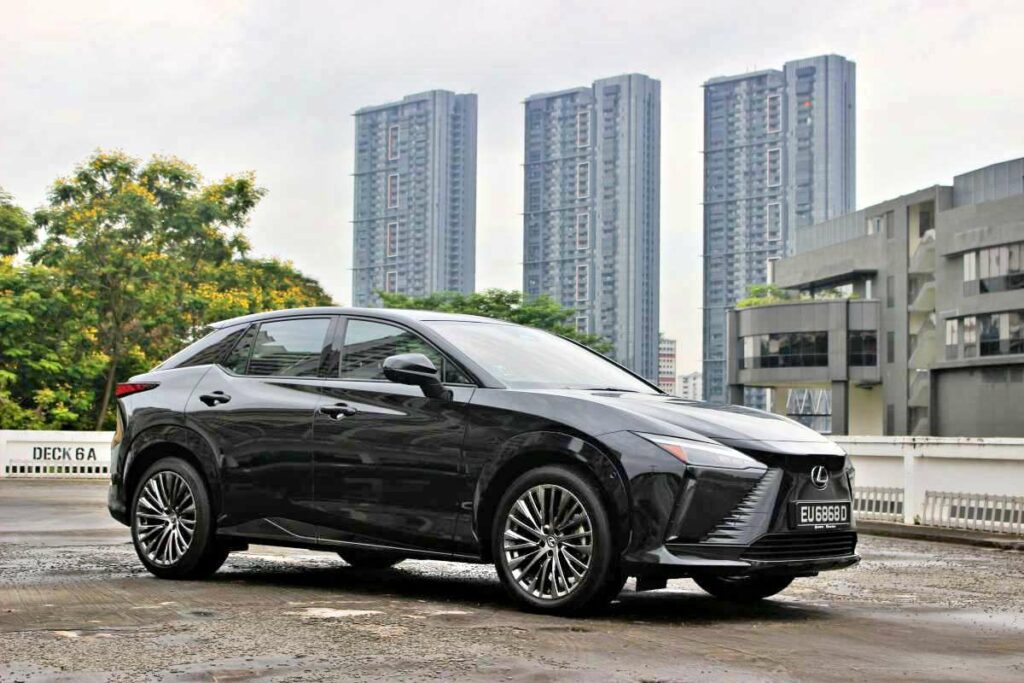
Lexus’ second attempt at an EV is a valiant effort that’s stylish and composed, but the RZ just lacks that little bit of excitement
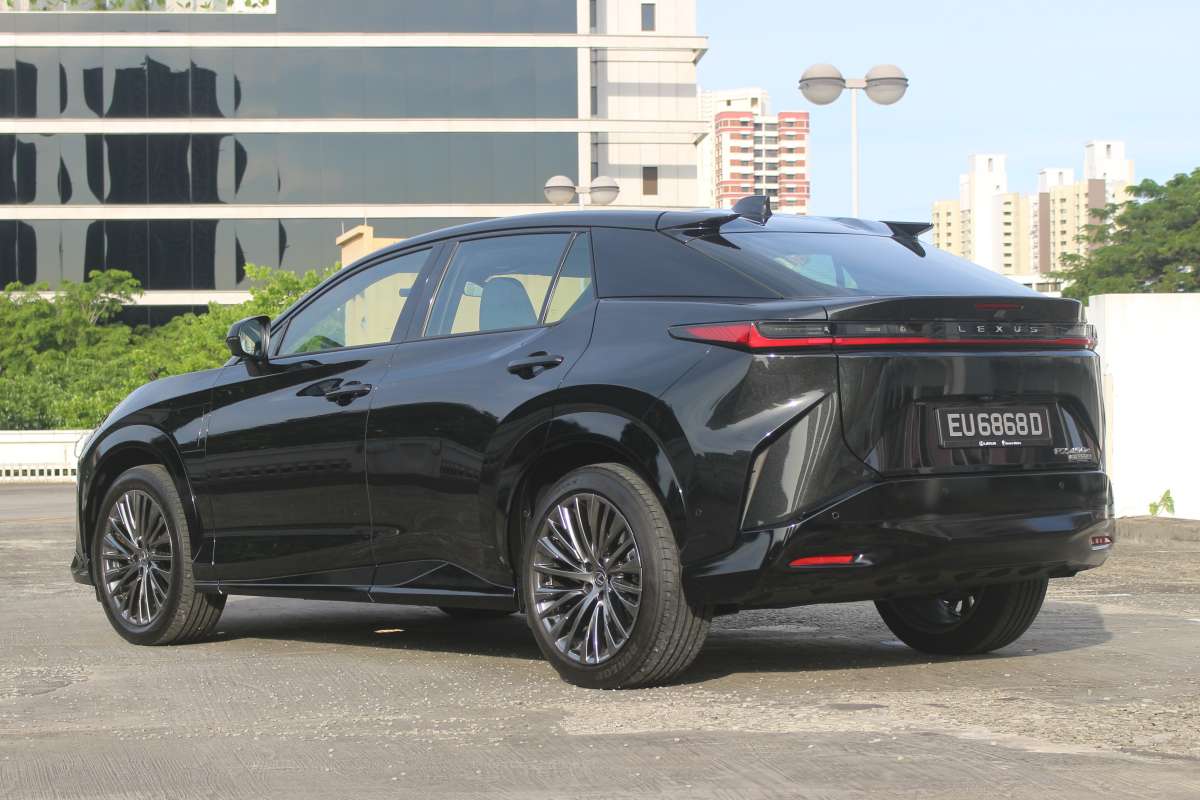
Launched: April 2023 – Price S$406,800 with COEFive-door, midsize luxury SUV, five seats309hp, dual-motor electric drive, 18.7kWh/100km, 440km range
PROSStylish designSpacious interiorComposed at speedSmooth and quiet ride
Photos: Ben Chia and Jay Tee
SINGAPORE
Lexus built its reputation on silence, and it notably upset the establishment when its first ever car, the LS400, emerged onto the market and shook the world with its astonishing levels of quietness. Pretty much instantly, Lexus forced Mercedes-Benz and BMW back to the drawing board when the LS delivered a level of refinement that set the benchmark for the class.
Given that, one would imagine that an electric car would very much be in keeping with Lexus’ own philosophy, of relentlessly pursuing the perfection of pure quietness. And yet, the brand has not made much inroads into the EV world as compared to its key rivals who have embraced the electric revolution much more warmly, although there are signs that things might be changing.
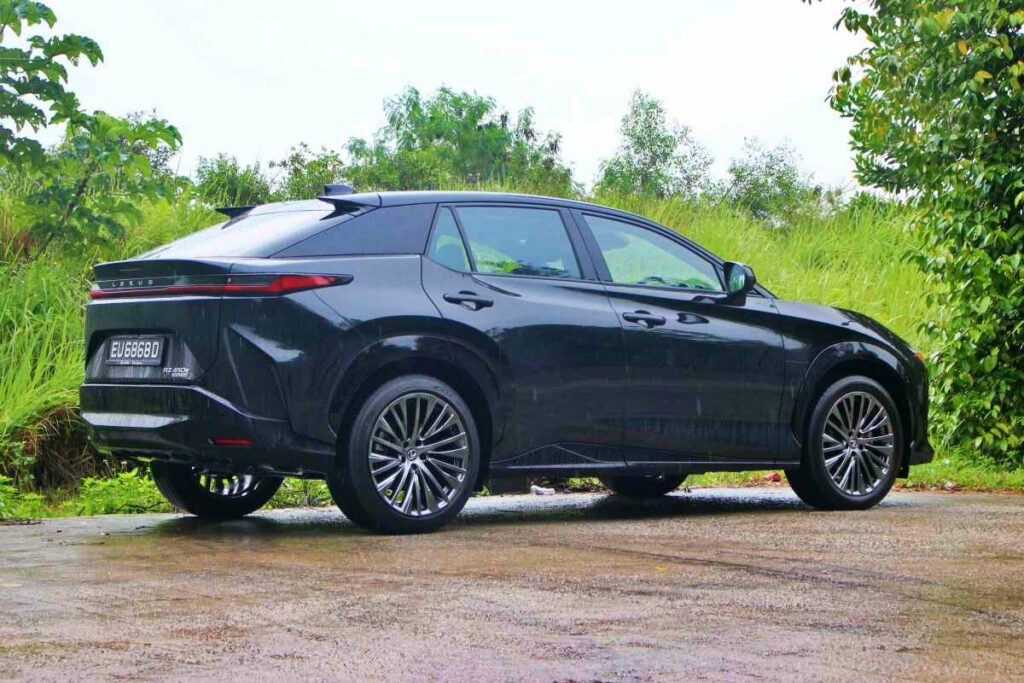
Despite what the marketing collaterals would have you believe, the RZ is not actually Lexus’ first EV. That honour goes to the UX300e, which unfortunately fell short in a number of key areas. Its range was relatively poor compared to similarly-priced rivals, but most notably, the UX300e came with a CHAdeMo fast charging socket that was incompatible with most of the world’s Type 2 CCS system, and so it felt like a rather short-sighted attempt that wasn’t very well thought out for users outside of Japan.
Here’s the Toyota equivalent to the RZ, the bZ4X
Nevertheless, Lexus has given EVs another go with the RZ, and at first glance, it seems like they have made a better effort of it. What the RZ is though, is the brand’s first ground-up battery electric vehicle that’s not built on an existing model, although it is based on its sister car’s platform, the Toyota bZ4X. The RZ will also be offered exclusively as an EV, with no plans for an internal combustion engine (ICE) equivalent.
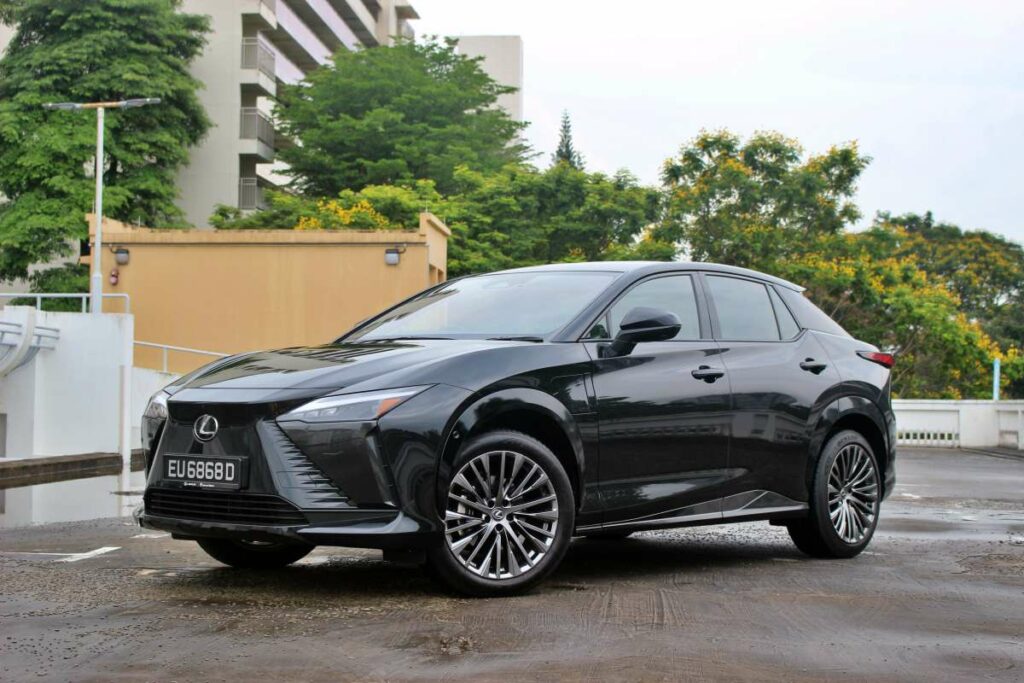
That in itself puts it at an advantage, because it means the RZ can be designed and engineered to be truly focused as an EV, without having to take into consideration the limitations of ICE cars. That is very much unlike the UX300e, which was based off the UX small crossover, and converted into an EV subsequently, and so had to work around the regular car’s design limitations.
Page 2: Design and Interior
CarBuyer's print editor went out to explore the Great Big World, including a stint working in China (despite his limited Mandarin). Now he's back, ready to foist upon you his takes on everything good and wonderful about the automotive world. Follow Ben on Instagram @carbuyer.ben