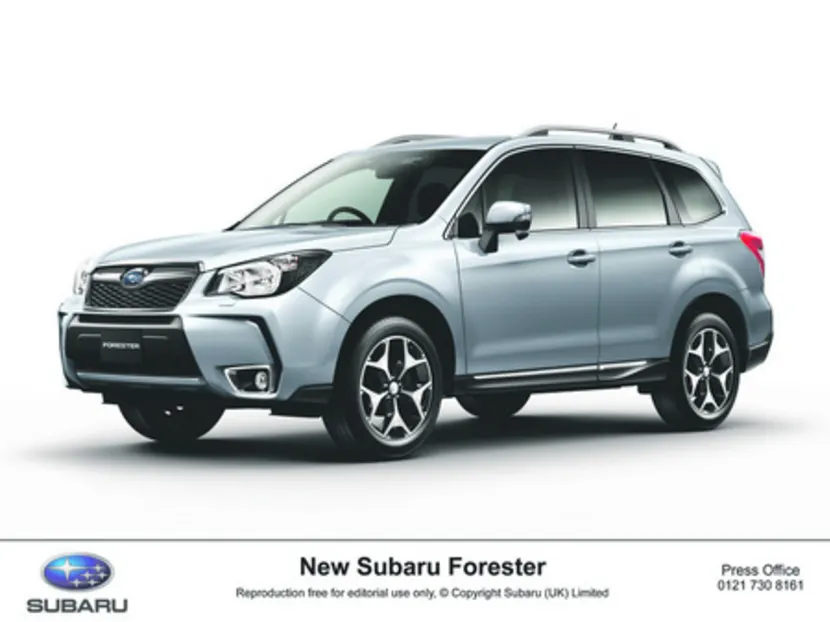
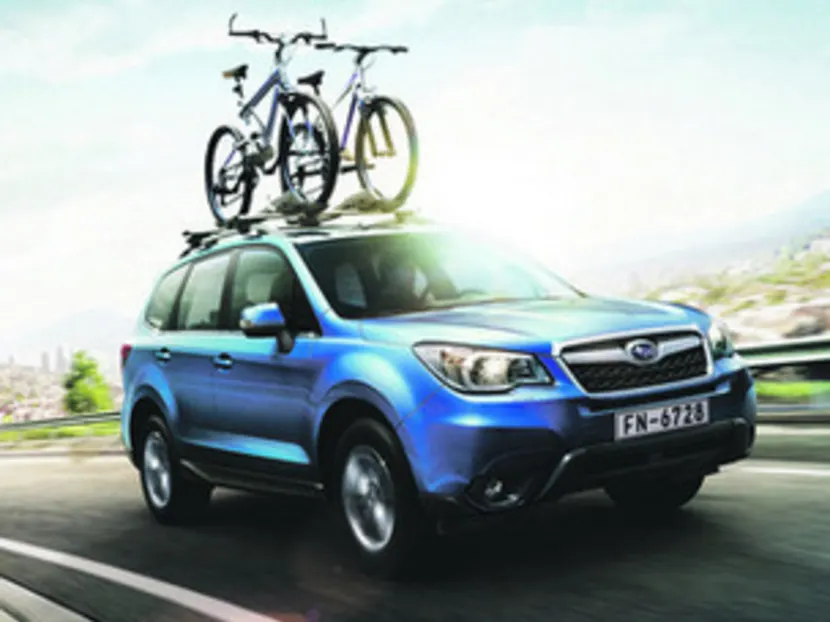
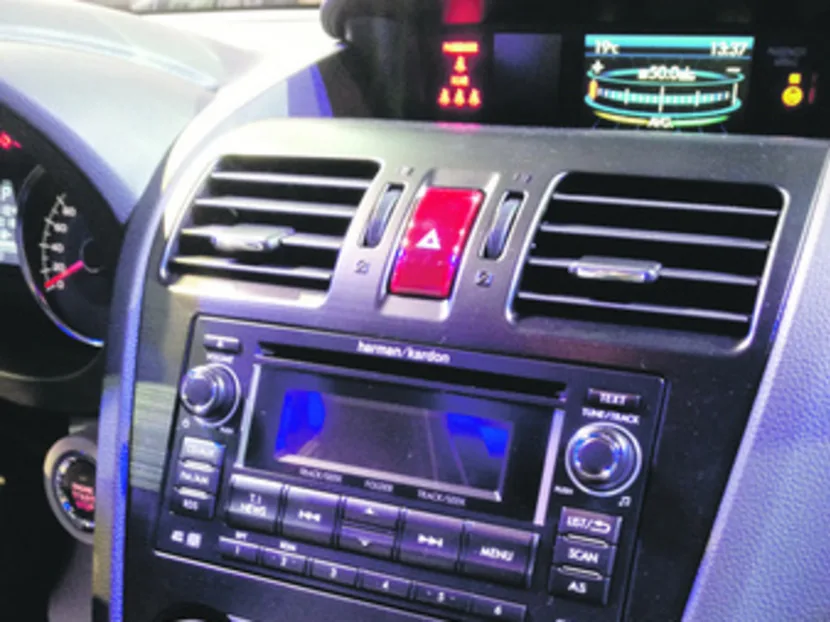
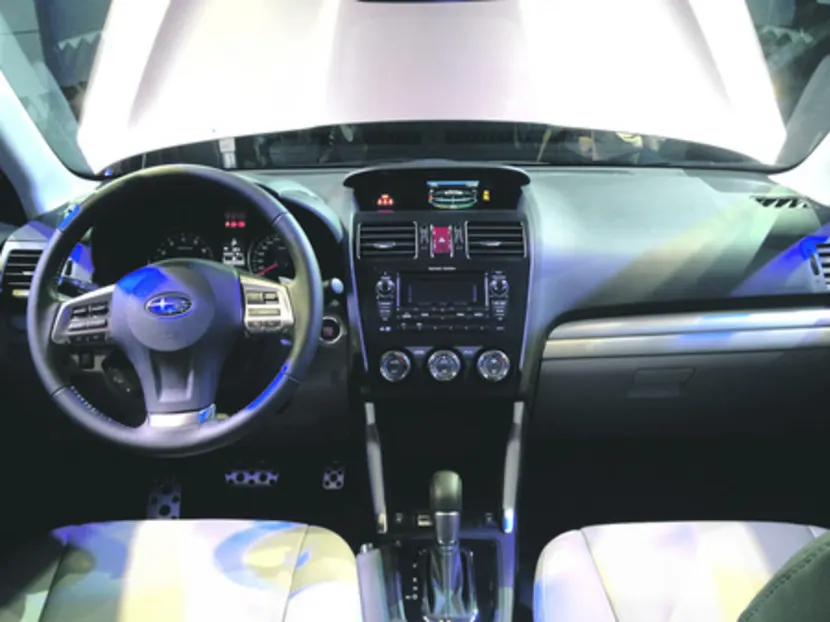
Meet the new Forester, Subaru’s fourth new model in two years. In the face of changing market conditions that favour European brands, especially in Singapore, Subaru is rethinking its strategy to better compete with the likes of Volkswagen and other premium nameplates, who have been dominating the local share of the car buying pie ever since COE prices began their steep climb.
Glenn Tan, the Executive Director of Tan Chong International and local Subaru distributor Motor Image, expects the Forester to spearhead a change in image for Subaru in Singapore. “In the past, our models (offered locally) were not of very high specification,” he told TODAY.
“But with this new Forester, we will be upping the quality and specifications of the car to better compete with the Continental makes.”
Japanese car manufacturers are certainly having it tough right now. The strong yen makes Japanese products expensive, and ever-soaring COE prices are driving consumers away from Asian bread-and-butter brands.
Bigger names like Toyota and Nissan still have sufficient critical mass here, but smaller brands like Subaru find the going extremely tough.
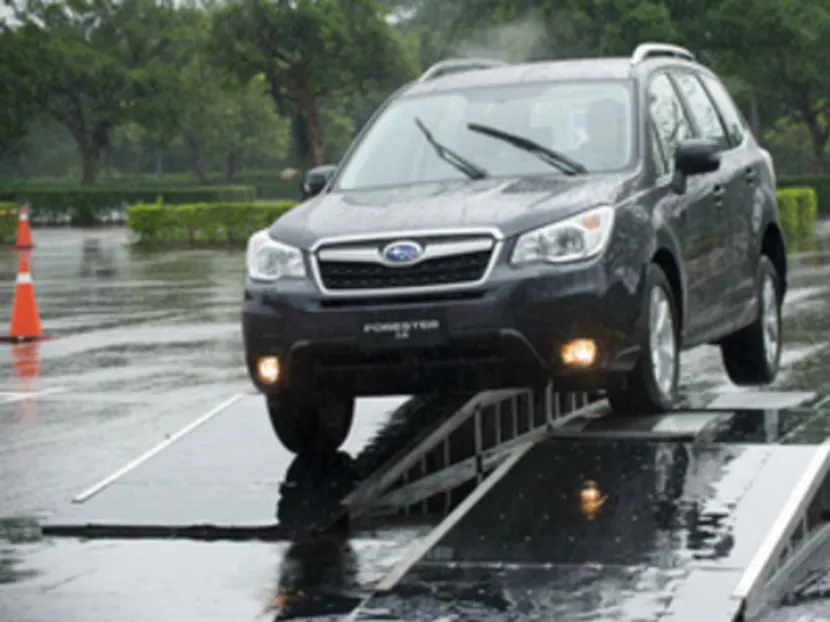
Initial impressions of the new, fourth-generation Forester during the short regional preview drive in Taiwan indicate that quality has been much improved over the outgoing model.
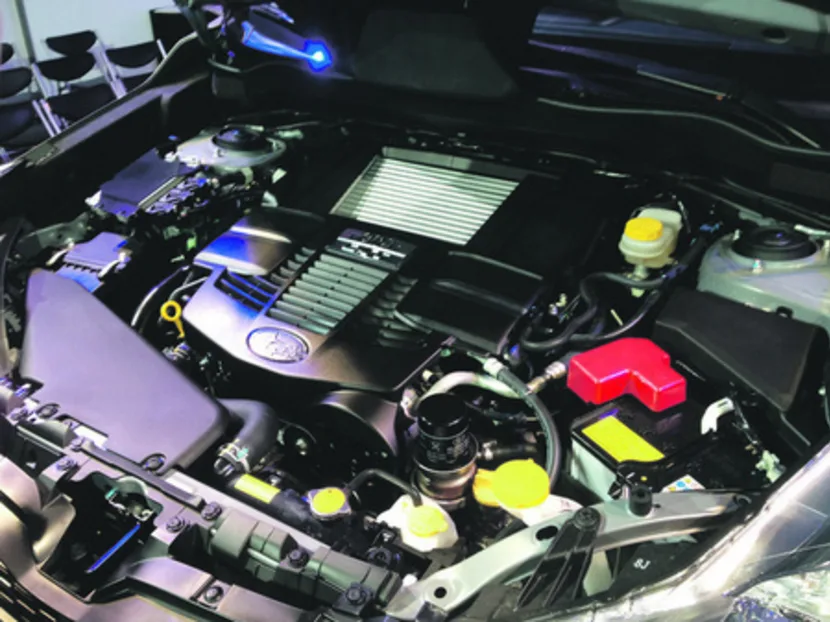
A new 2.0-litre turbocharged Boxer engine, which Subaru calls Direct Inject Turbo (DIT), promises improved performance and better efficiency than its predecessor, although the jury is still out until an extensive local test-drive of the mid-sized Sports Utility Vehicle can be conducted.
The Forester’s arrival follows the launches of the smaller XV crossover vehicle, a revamped Impreza and the BRZ coupe, co-developed with Toyota and heralded as one of the best driver’s cars to emerge in years.
With efficiency being the buzzword these days, powerful but pollutive cars like the WRX are a thing of the past now.
The brand whose turbo and all wheel-drive technologies have powered it to three World Rally Championship titles will now turbocharge smaller-capacity engines to achieve the best compromise between power and fuel economy, a path taken by European manufacturers like Volkswagen to huge success.
Fuel-saving petrol-electric hybrid technology will not be ruled out, but according to Takuji Dai, the project General Manager for the new Forester, that will be a while away yet.
In the meantime, Subaru is slowly taking steps to adjust itself to a market that has changed dramatically in just a few years. The Forester may have rugged looks and an all-wheel drive, but like all new Subarus its success will be judged on the showroom floor, far away from muddy rally stages.