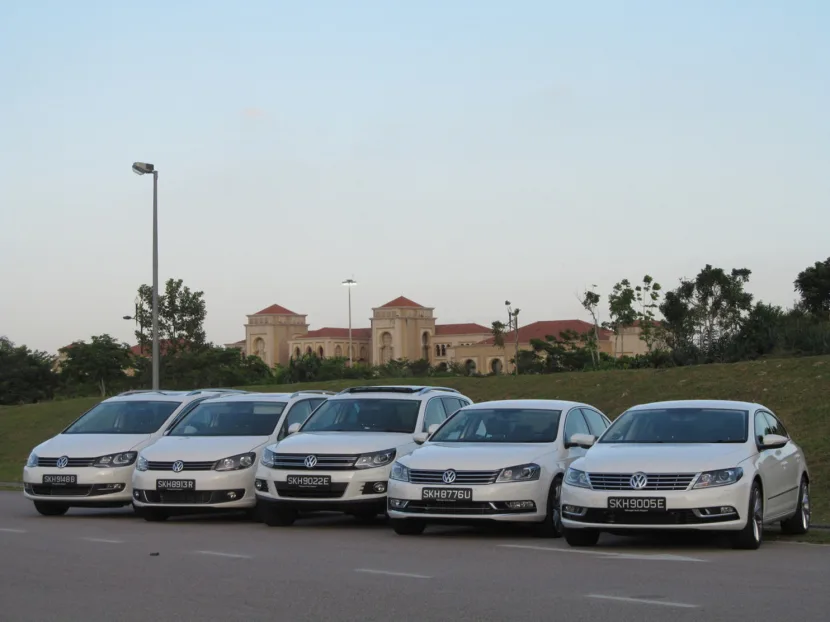
Despite the number of diesel-powered passenger cars being launched in Singapore following the introduction of the Carbon Emissions-based Vehicle Scheme (CEVS) at the start of the year, there remain doubts among some Singaporeans as to the real-world efficiency of these cars.
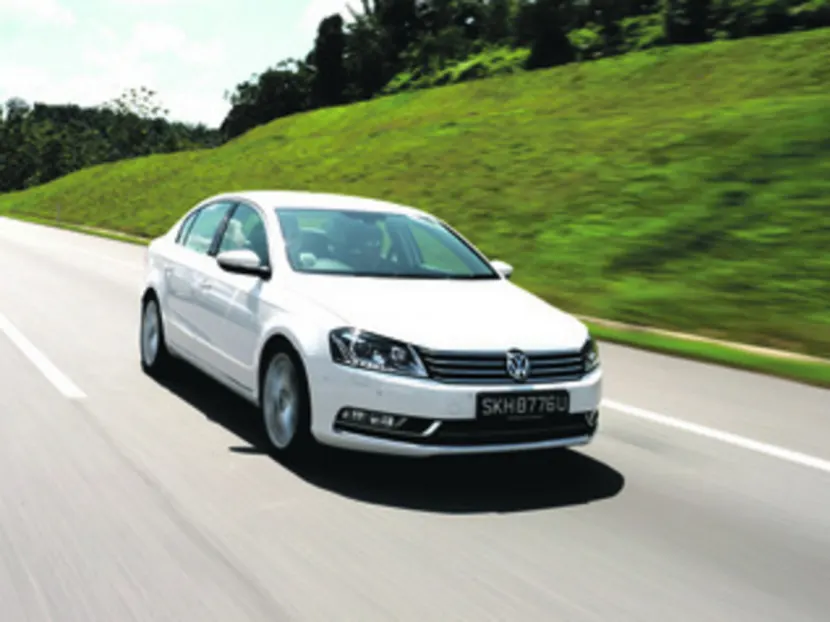
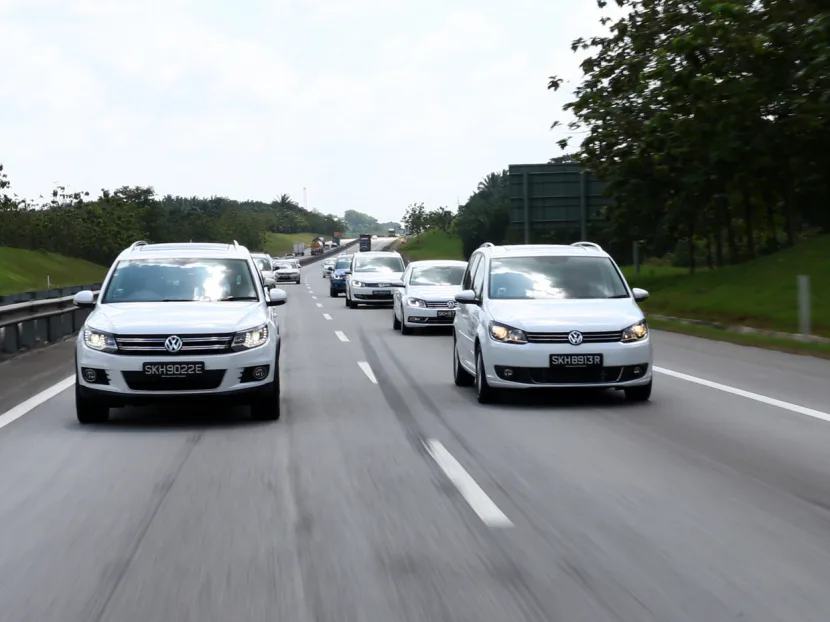
Volkswagen held a test drive up to Malacca, featuring its latest range of diesel cars, to demonstrate the true abilities of this alternative fuel, as well as show that diesel driving need not be joyless.
Diesel technology for cars is not new, but in the Singaporean context, its application to bread-and-butter passenger cars have only come about thanks to CEVS, as well as the recent relaxation of taxation rules.
Diesel fuel is subsidised by the Government, to the benefit of commercial vehicles, so diesel passenger cars have to pay a Diesel Special Tax, which is now pegged at $0.40 per cubic centimetre, down from $1.25 per cc last year.
Thanks to their efficiency, oil-burners have taken up the majority of passenger car sales for quite some time in Europe — more than 50 per cent since 2007. But they’ve been slow to catch on here, as the perception of diesels being “dirty” still persists.
In actual fact, that couldn’t be further from the truth. Today’s diesel-powered passenger cars have to meet exacting emissions standards to enjoy the rebates handed out by the Government: To qualify for the tax reduction, diesels must meet Euro V emissions standards, as opposed to Euro IV for regular machines.
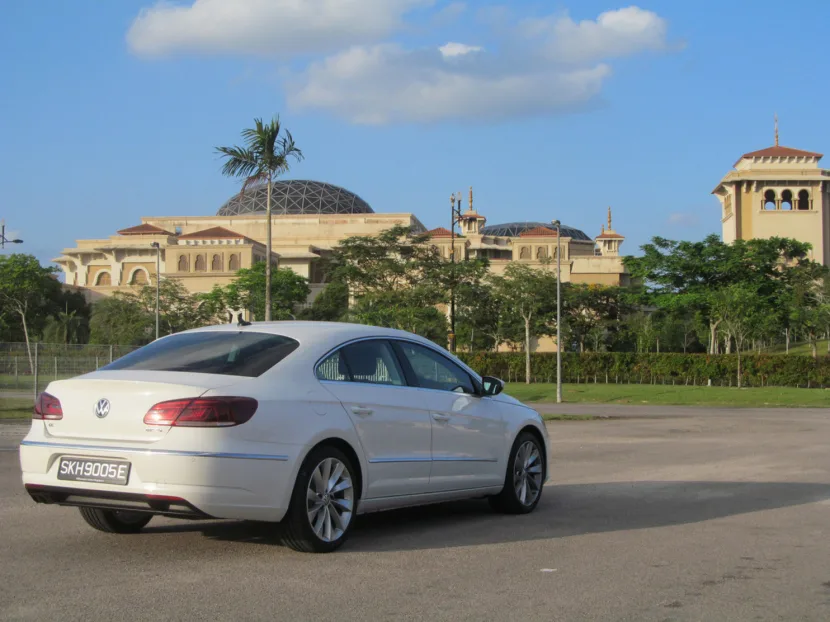
The Volkswagen CC that TODAY tried out on the drive to Malacca was a prime example. Despite boasting of a turbocharged 2.0-litre engine that produces a handy 170bhp, the CC 2.0 TDI produces just 159g/km of CO2 emissions, which lands it in the neutral group of the CEVS banding.
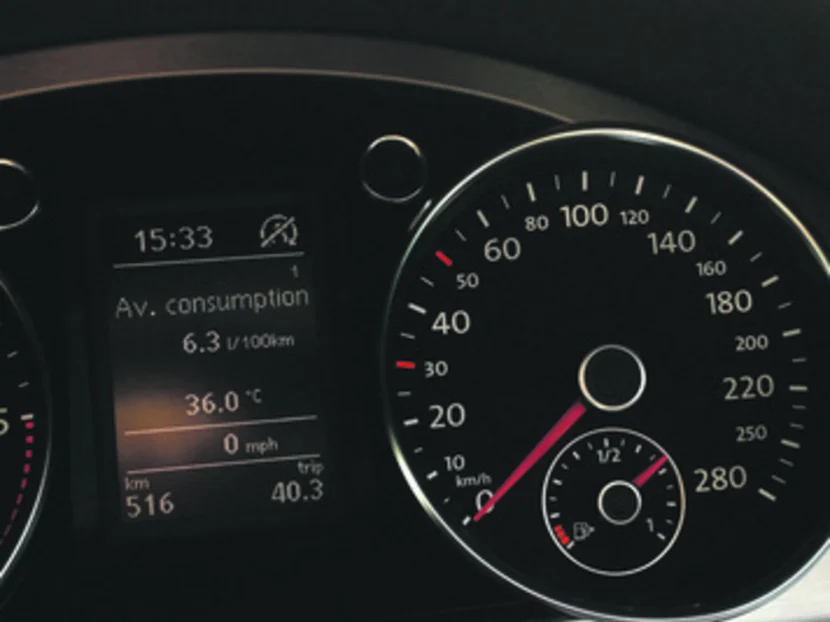
What is more remarkable though is the fuel economy — the CC 2.0 TDI can return a quoted average fuel consumption figure of 5.2L/100km, which is highly impressive for a four-seater four-door executive coupe. On our test run, which consisted of a combination of some spirited driving on the highways and winding country roads, as well as through a slightly congested Malacca city centre, we averaged 6.2L/100km, which is still not too shabby a result.
With that kind of fuel economy available, a diesel-powered car is theoretically able to cover more than 1,000km on a single fill-up. The CC, for example, with its 70-litre fuel tank, can cover 1,344km based on its quoted fuel consumption figure. That is nearly enough to make two round trips from Singapore to Kuala Lumpur and back.
Unfortunately, the only current drawback for modern diesel cars is the inability to refill at Malaysian petrol stations, thanks to the lower grade of diesel on sale there.
Indeed, Volkswagen advises customers that they pump Malaysian diesel at their own risk, and recommends using only diesel fuel from Singapore stations.
But given that one could drive to most parts of Malaysia and back on a single tank anyway with a diesel car, the issue is unlikely to be of great importance to most drivers.