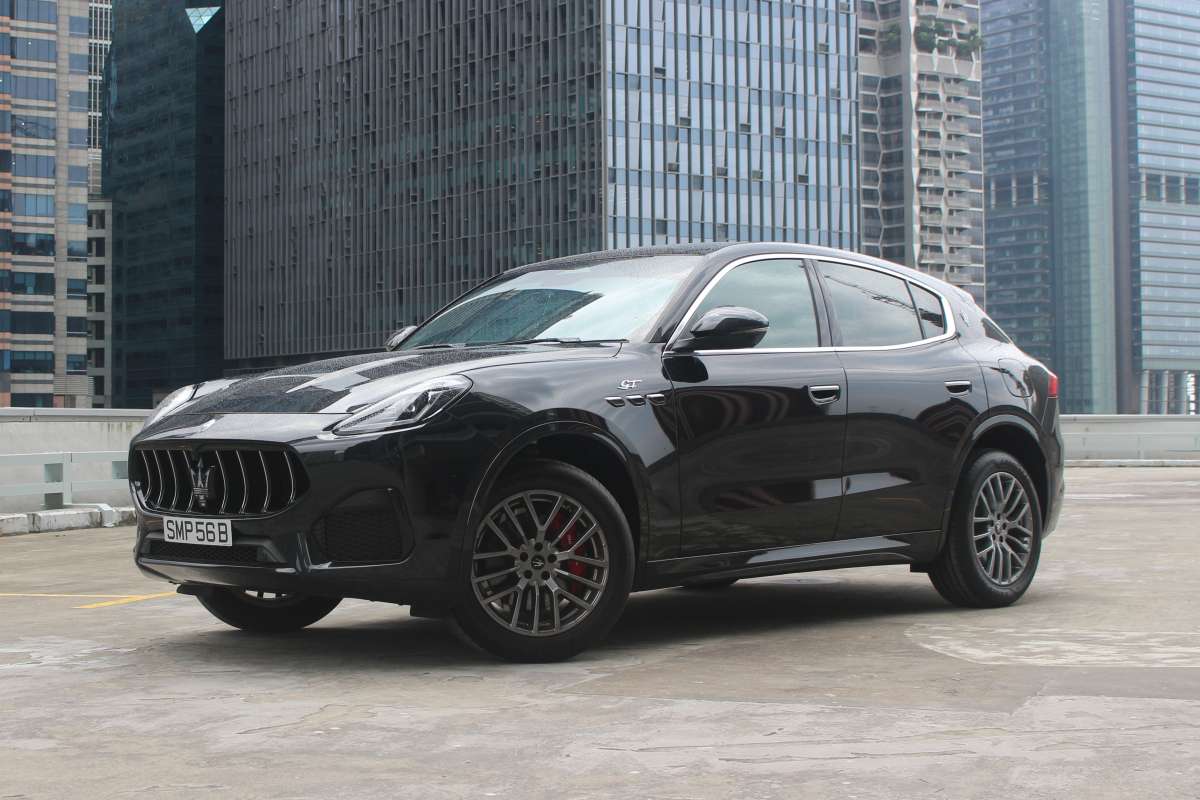
Maserati takes on the Porsche Macan with its Grecale midsize premium SUV, but can its unique blend of Italian flair and panache win buyers over?
Launched: April 2023 – Price S$279,000 without COE (April 2023)Five-door, midsize premium SUV, five seats296hp, 2.0-litre turbocharged mild-hybrid , VES C2, 9.4L/100km
PROSImpressive handling chopsDecent performance boosted by hybrid techNice interior ambience
CONSSome odd ergonomic quirks
SINGAPORE
Despite the fact that car buyers are now seemingly snapping up SUVs left right and centre, not every carmaker has enjoyed runaway success with their SUV products. Maserati, for instance, launched their first ever SUV in the form of the Levante back in 2016, but its sales numbers since then has been somewhat lacklustre to say the least, at least in comparison to its direct rivals.
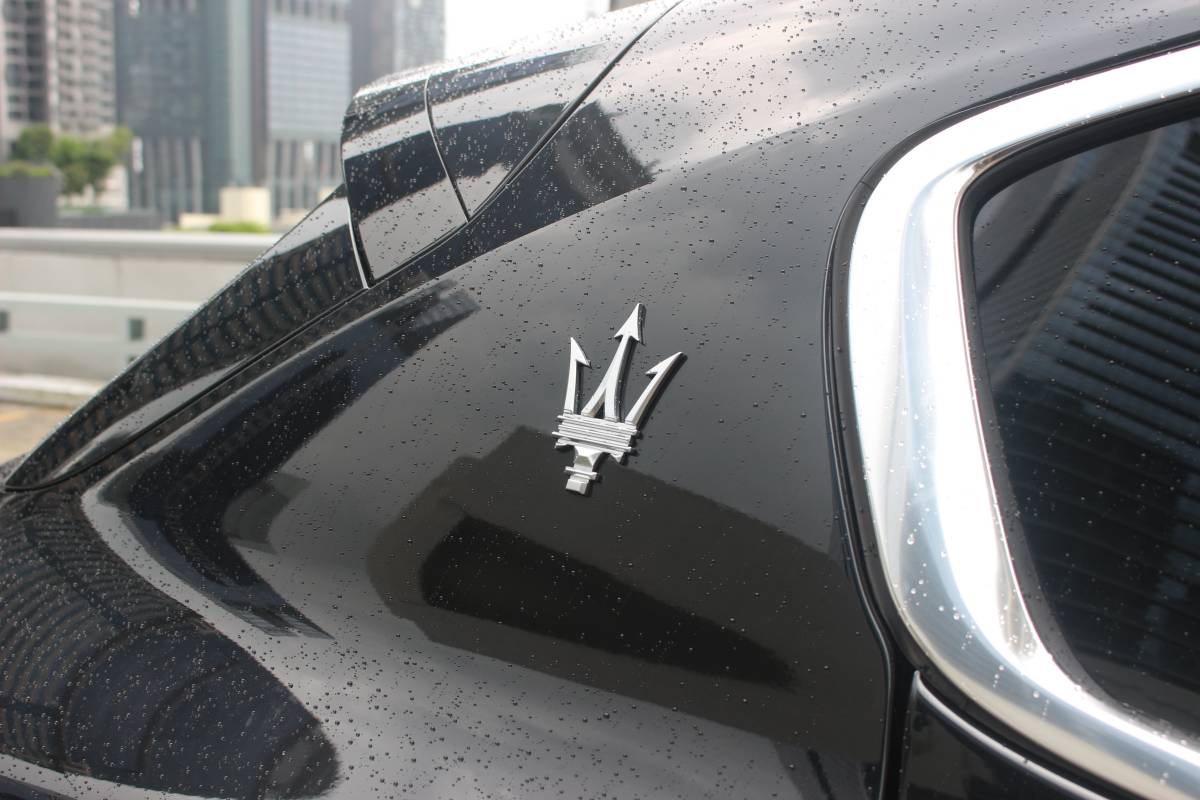
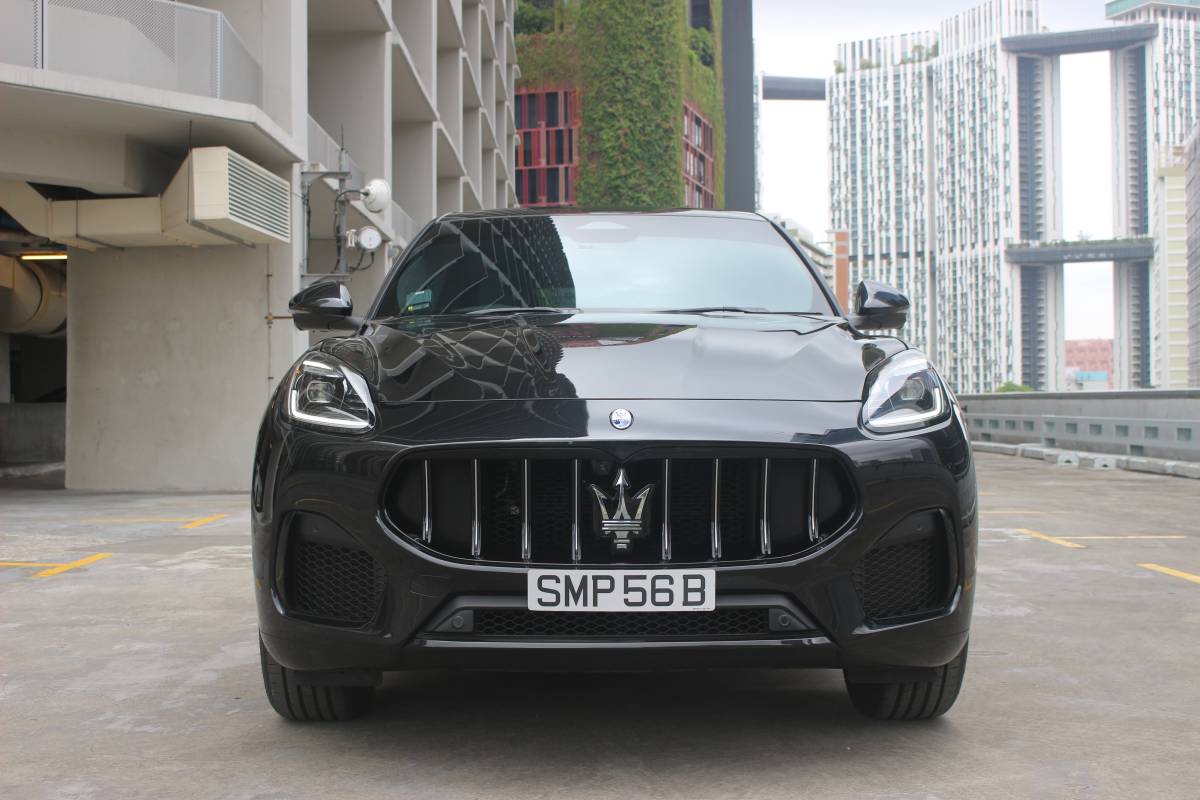
Still, that hasn’t deterred the Italian Trident from trying again, and this time it’s aiming for an even more competitive segment. The Grecale is one size down from the Levante, and goes up against the likes of the Porsche Macan, BMW X3, Audi Q5 and so on. It’s a far more crowded market that the Grecale finds itself in, so it seems like it has its work cut out if it wants a better shot at success.
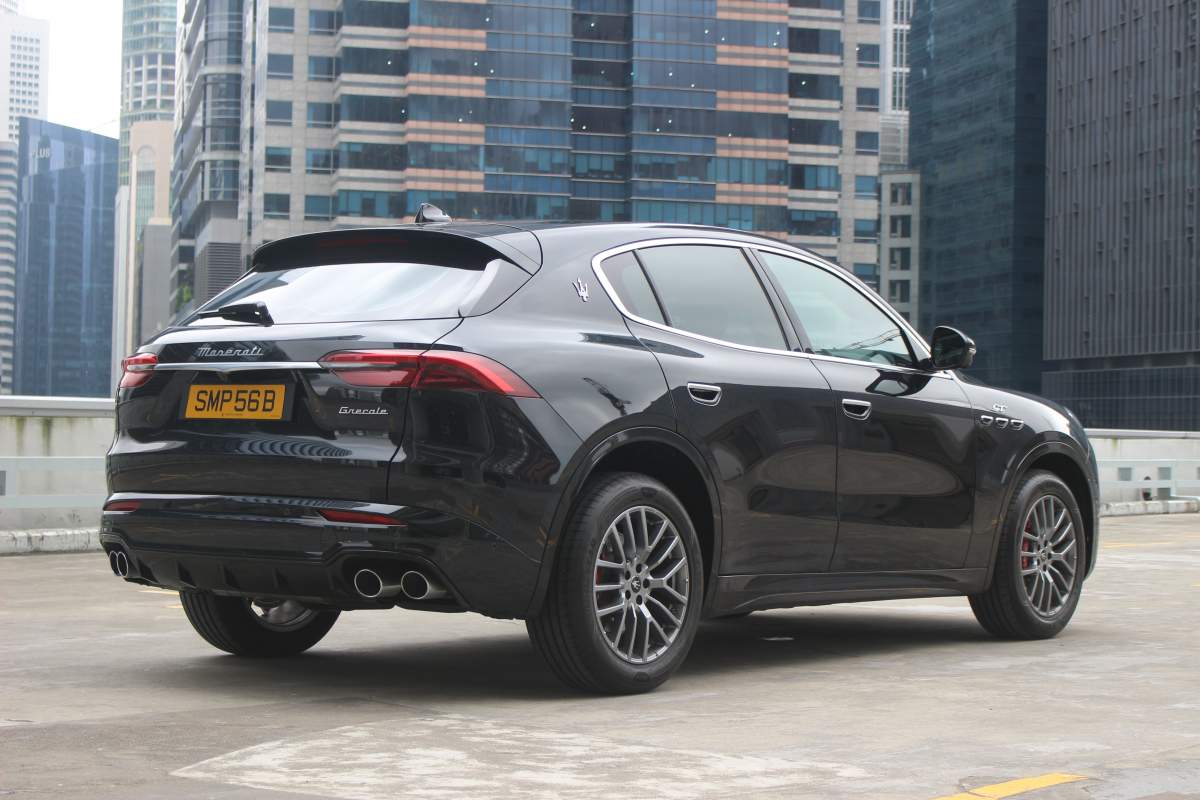
To do that though, the Grecale does have a few tricks up its sleeves. For one, it will form the basis of Maserati’s first full battery electric vehicle (BEV) when the Grecale Folgore debuts next year. Before that though, the regular internal combustion engine (ICE) cars, aside from the flagship performance Trofeo model, will also feature some sort of electrification with their mild hybrid powerplants.
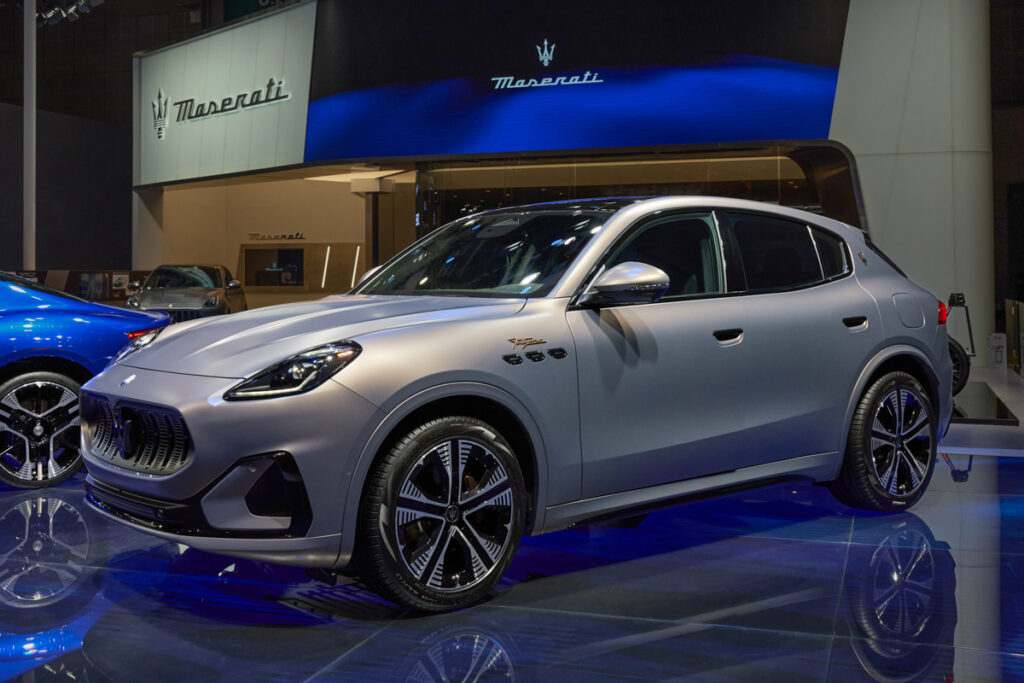
It’s not the first time that Maserati has featured mild hybrid tech in their cars, with the Ghibli already using some version of the system since 2021. But the Grecale is the first model line to have mild hybrids as an extensive part of their range, which certainly speaks of the direction that Maserati is headed towards, with cleaner and more efficient models that will form a major part of their lineup in the years ahead.
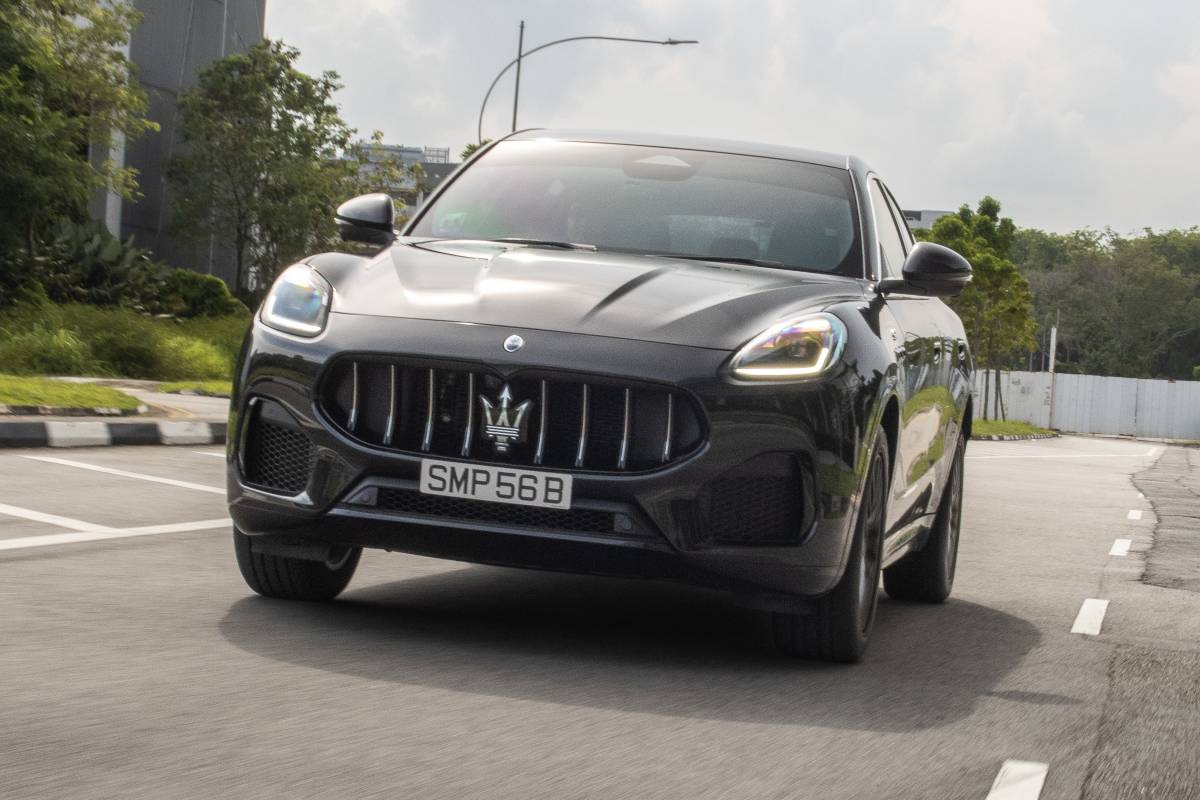
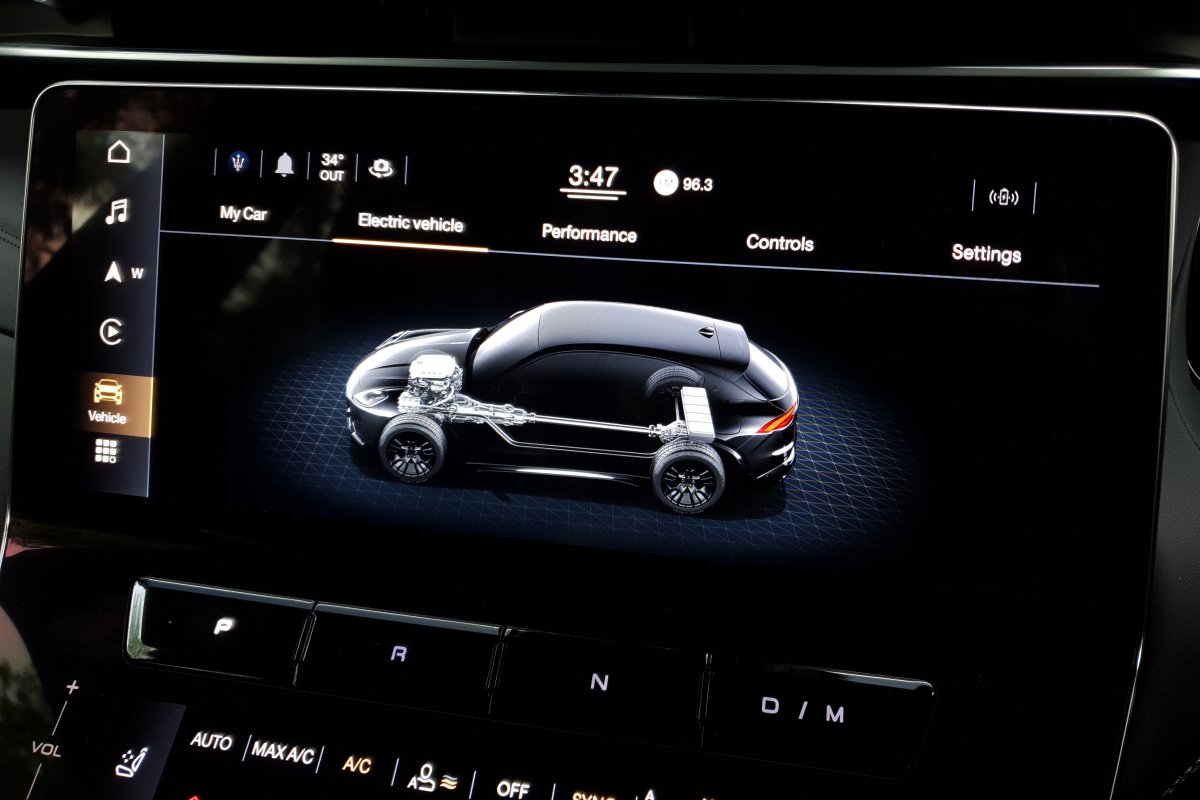
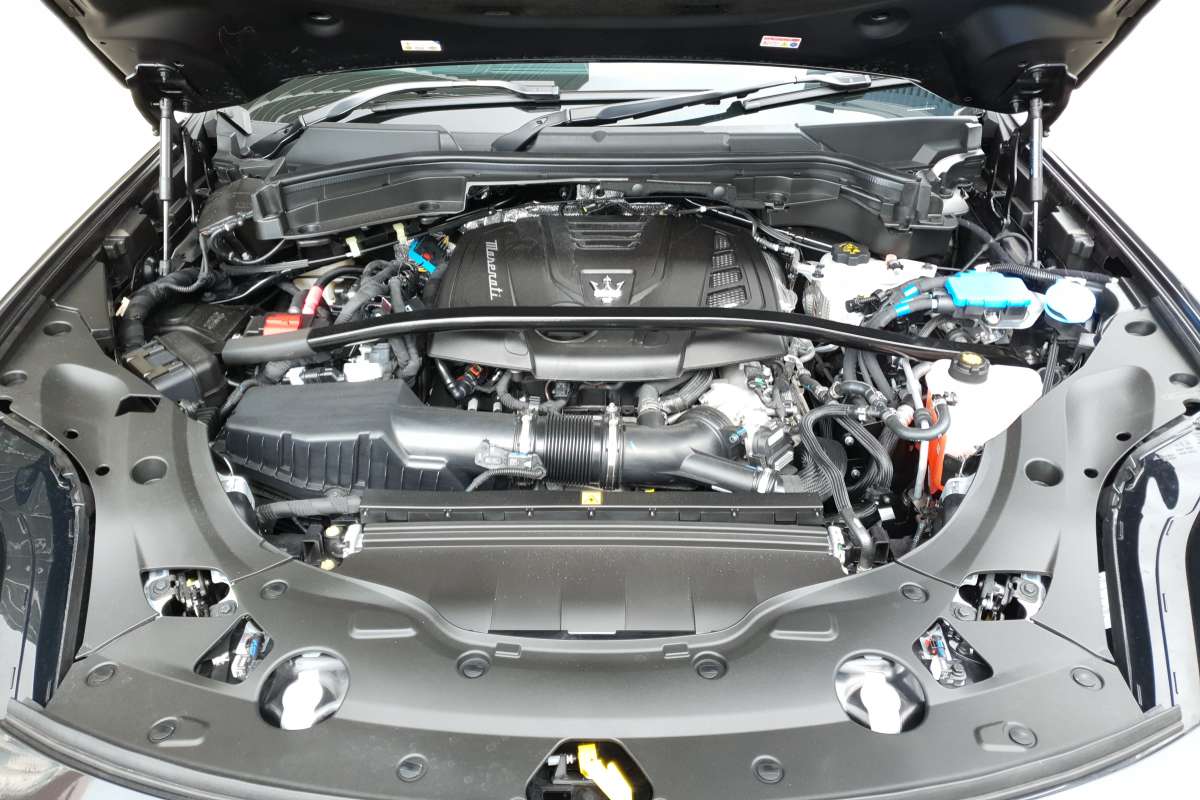
The system in the Grecale consists of a Belt Starter Generator (BSG), a 48-volt battery, an AC/DC converter, and what Maserati calls an e-Booster. The BSG acts as an alternator, charging the battery that’s located in the boot, which in turns powers the e-Booster that’s attached to the ICE unit.
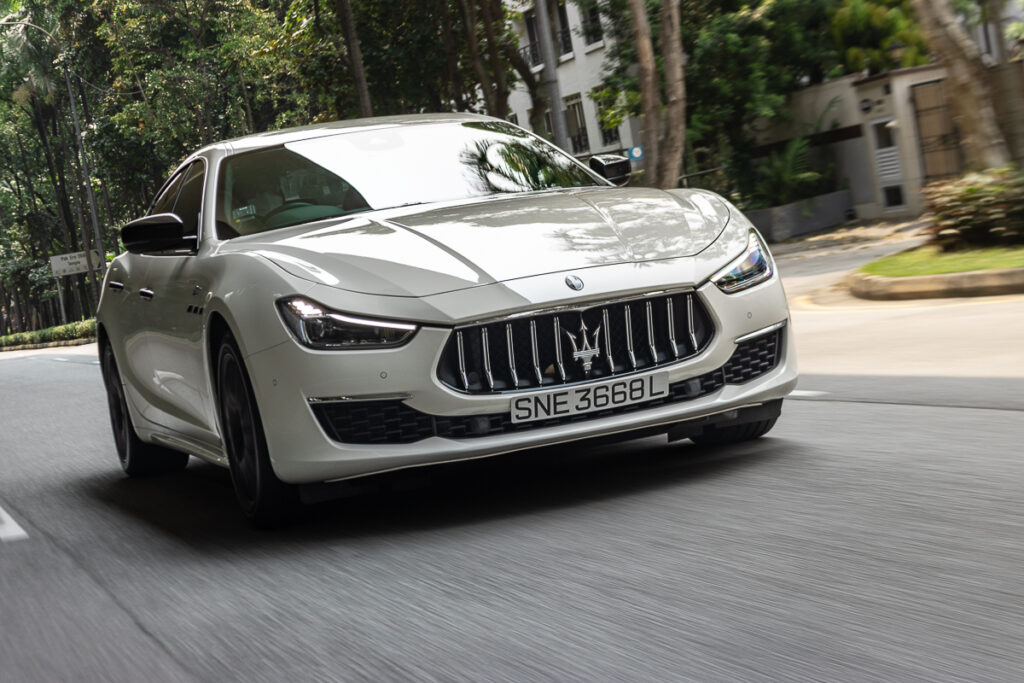
The Ghibli sports sedan also has a mild hybrid system as well
It’s interesting to note that the primary function of the e-Booster is to, well, boost the engine with additional power generated from battery. It brings in low-end torque to aid acceleration before the main turbos kick in, and adds extra power at the top end when engaging in spirited driving in Sport mode. In that sense, the Grecale’s hybrid drivetrain is really more of a performance enhancer rather than an efficiency tool, although Maserati claims that it does reduce fuel consumption a little as well.
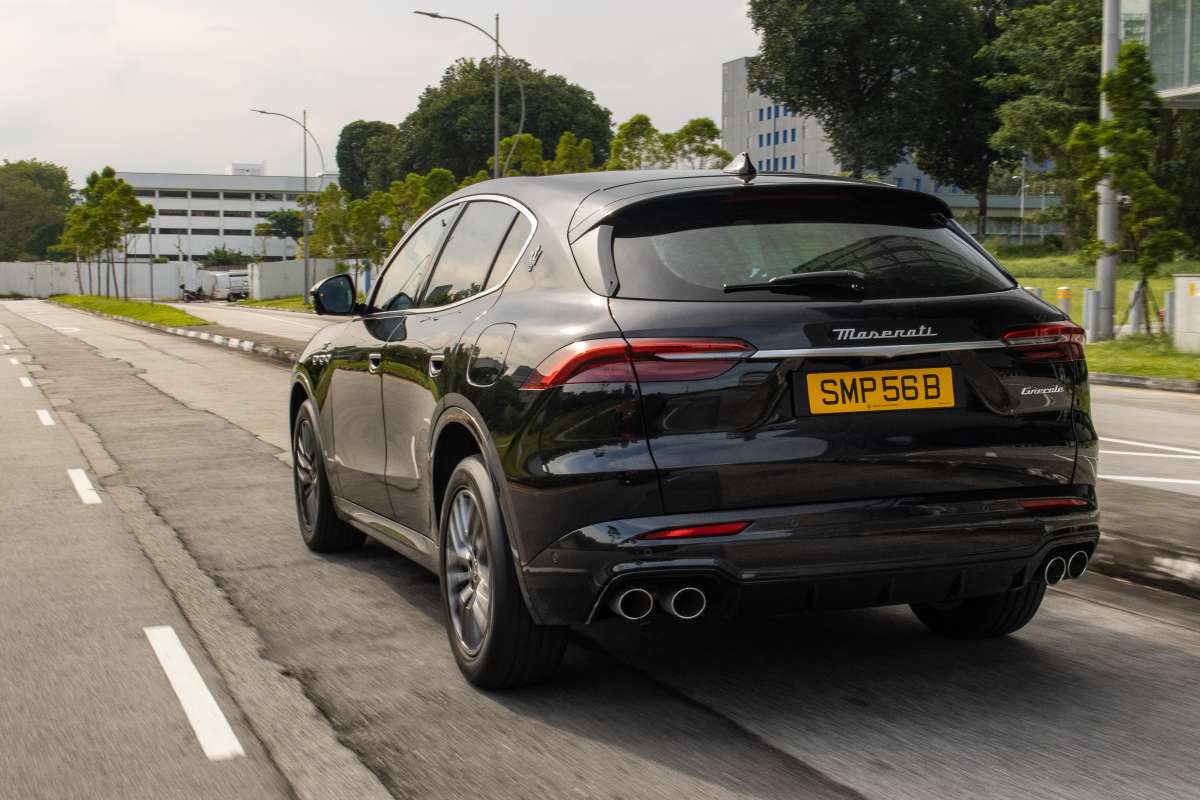
The whole system works pretty unobtrusively, and you won’t actually notice it except for a display on the infotainment system that shows the charge status. Power delivery is seamless, and the car behaves just like any other midsize performance SUV would, for the most part.
The classic Maserati aural sensation is sadly absent, given the limitations of the four-cylinder powerplant, but it compensates for it by offering some rather impressive pace. 296hp and 450Nm of torque puts it in between a Porsche Macan and Macan S, but is also significantly more than a top-level X3 or Q5. 0-100km/h comes up in a decent 5.6 seconds, and the Grecale is certainly not found wanting for speed when you put your pedal down.
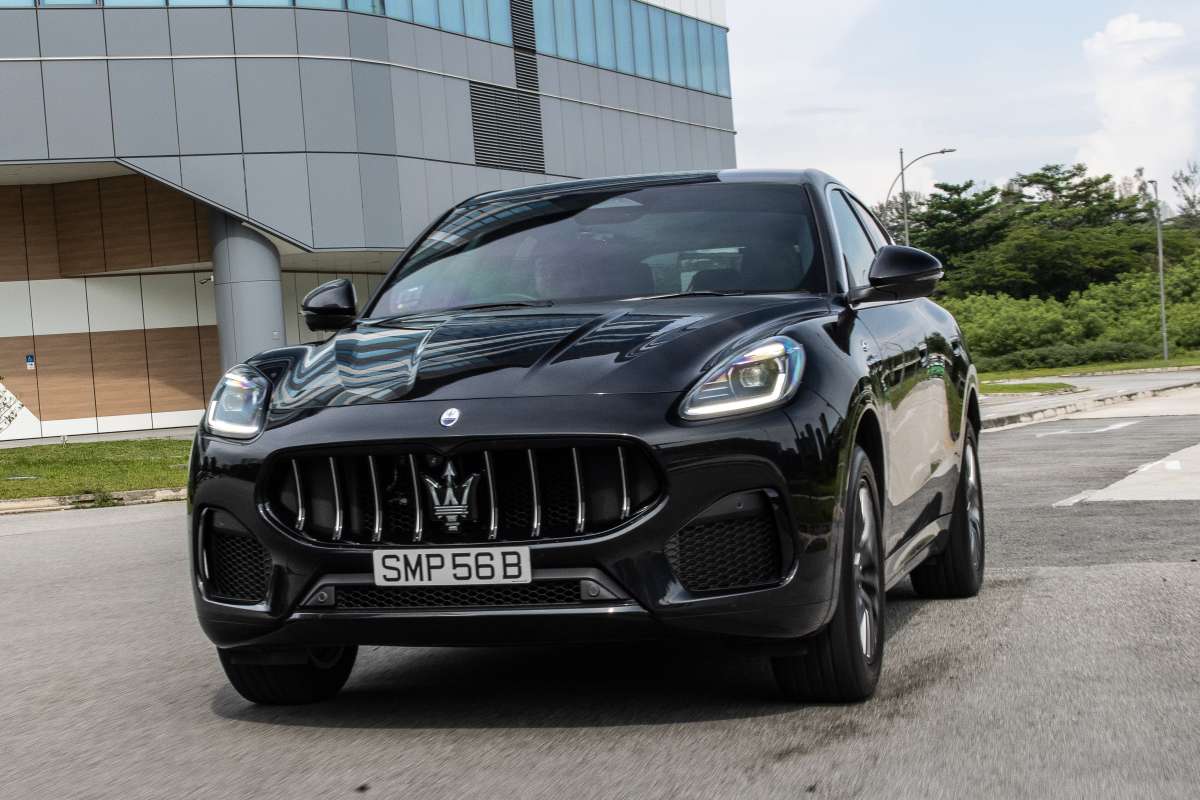
More impressive though is the Grecale’s handling chops. The Macan remains king of the segment for now, but the Grecale does run it pretty close when it comes to driving engagement. The steering is sharp and communicative, and the chassis is well-controlled. The rear-biased all-wheel-drive system strikes a nice balance between stability and entertainment, and you can actually engage in some playful oversteer if the conditions are right.
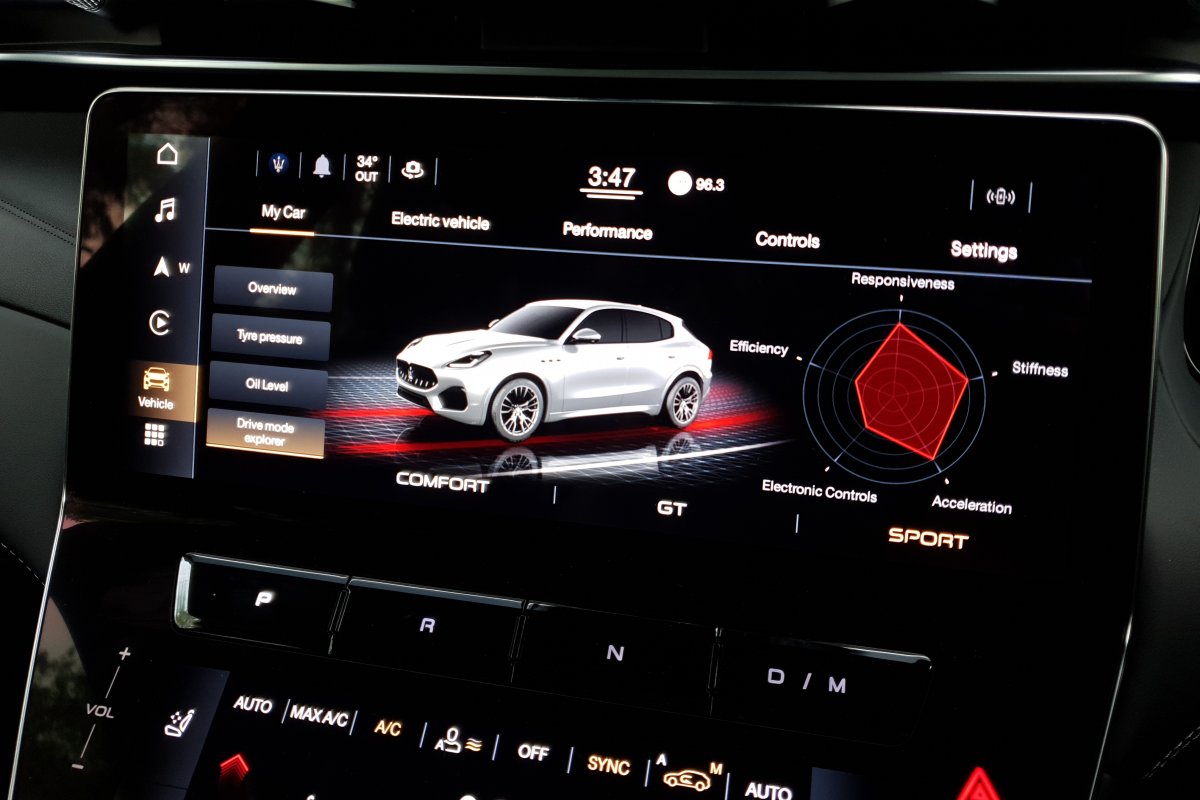
That’s mostly in Sport mode, which sharpens up the steering and throttle response, and lowers the car by 15mm if the optional active air suspension is specced. Comfort mode goes the other way, and primes the car with a softer setup, while the default GT mode strikes a balance between the two. The latter two churns up a ride that’s surprisingly compliant for daily driving, unlike some other performance SUVs in this class whose ride quality tends to veer towards stiff and back-breaking.
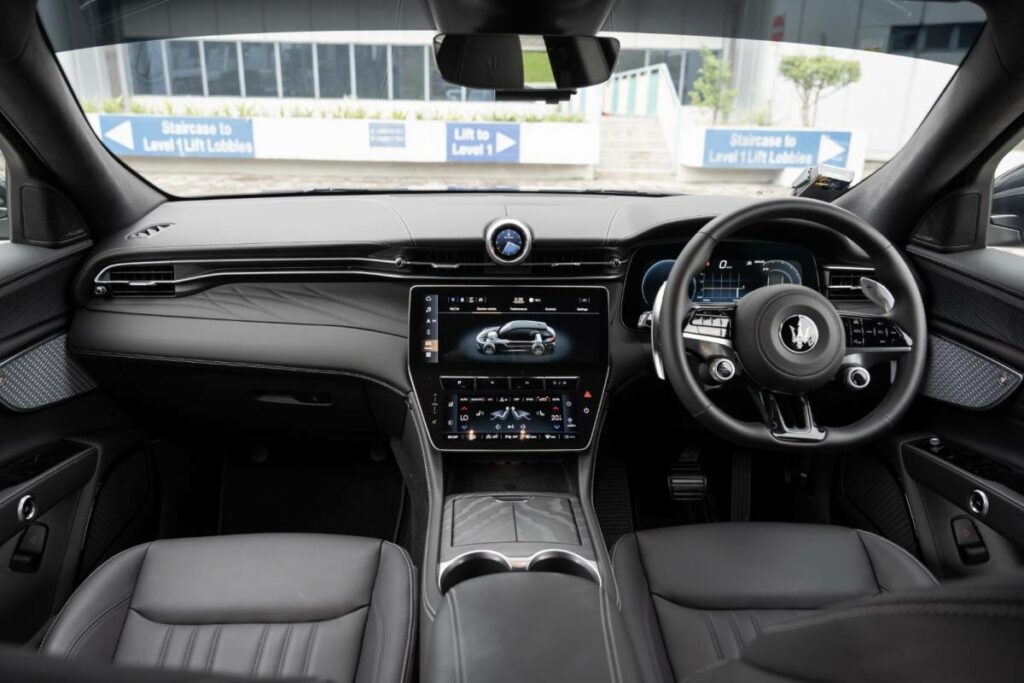
It seems then that Maserati has actually managed to produce a car that’s both engaging and usable everyday, and that translates, to some extent anyway, to the interior as well. For the most part, the cabin is a reasonably nice place to be, with lots of classy materials that gives the car a different sort of ambience that sets it apart from its main German rivals.
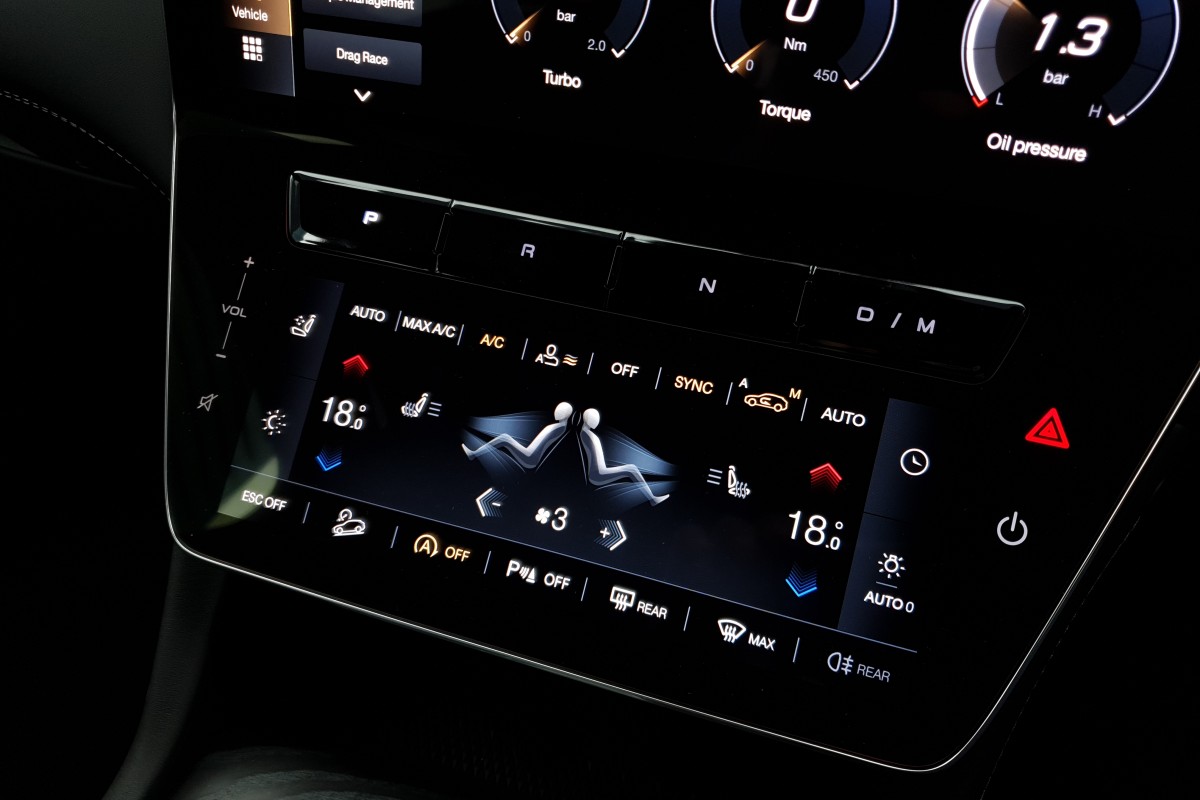
The Maserati Intelligent Assistant (MIA) multimedia system consists of a dual-screen setup, with the main 12.3-inch screen controlling all the main infotainment bits, complemented by an 8.8-inch lower screen that’s mostly for the climate control system. The operating system itself is run on Android Auto, and unlike other similarly-powered systems we’ve experienced, the one in the Grecale is surprisingly smooth and relatively straightforward to use, albeit a tad overwhelming with information.
That said, there are still some foibles to contend with, as if to remind you of the Italian approach of flawed ergonomics. For starters, engaging gears involve pushing the P/R/N/D buttons located on the centre console, which feels like an unusually American way of doing things. Handily though, you can actually engage forward drive and reverse using the paddle shifters, so that does make things slightly easier, if still a tad odd.
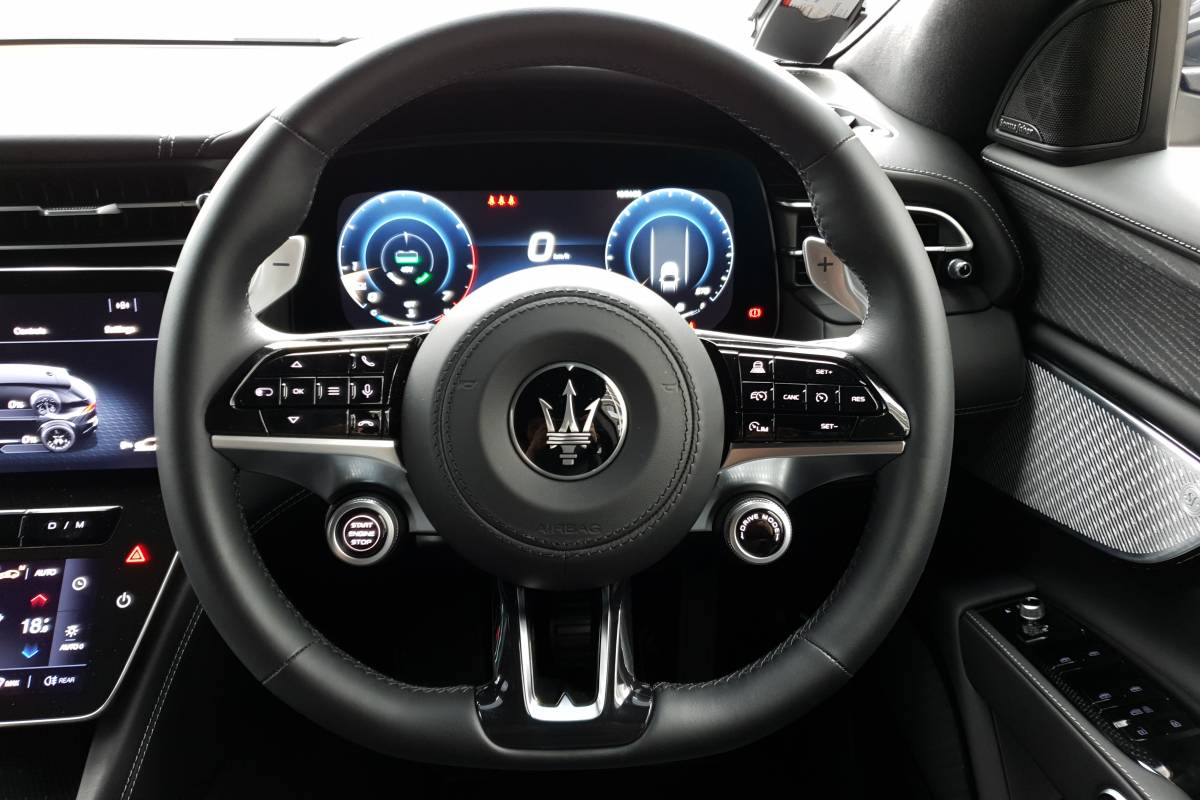
The paddle shifters themselves are unusually large and don’t rotate along with steering wheel, which does impede against the wiper/indicator stalks. Also, oddly, of the many buttons on the wheel itself, none of them are for the volume controls. Finally, Maserati has decided on an electric button system for opening the doors from the inside, which mimics the Lexus NX, but feels unnatural and takes some time to get used to.
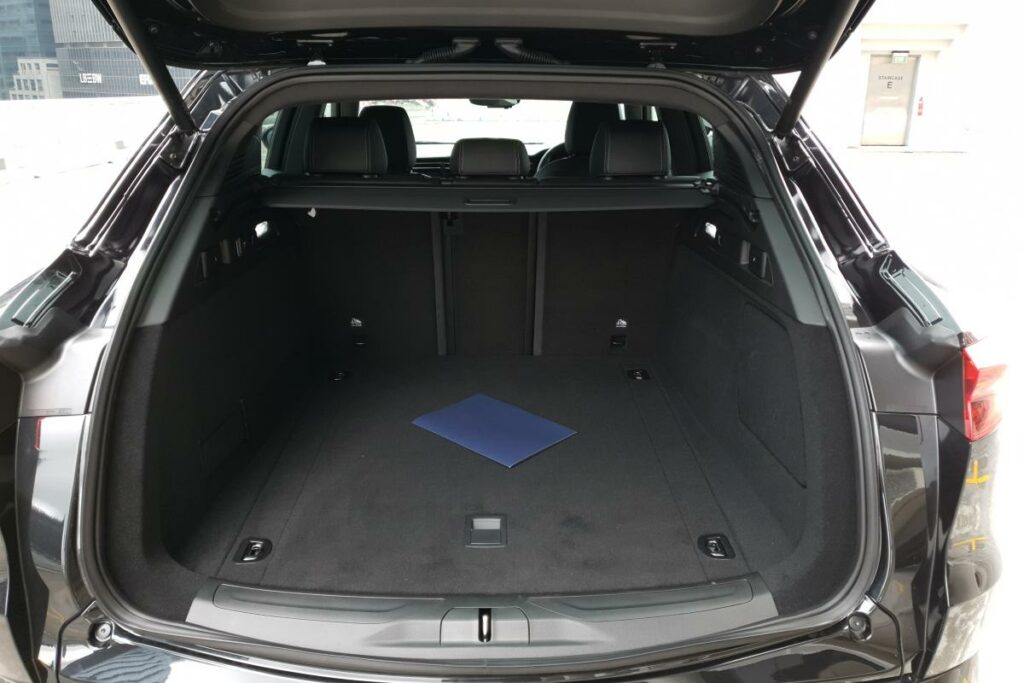
There was an intermittent odd squeaking/buzzing sound emanating from the driver’s side of the cabin during our test drive, which we couldn’t pinpoint exactly, but we suspected could be from the speakers. But the Grecale actually scores pretty well on the practicality front, with plenty of legroom for rear passengers, and a pretty generous 535-litre boot.
The Grecale does mark a pretty decent first stab from Maserati at the midsize premium SUV class. Its price tag of S$279,000 without COE for the GT variant tested here puts it at the higher end of the segment, but given what it offers, it’s very much worthy of the price tag it commands. If the Grecale can emulate the Macan’s success, then the future for Maserati does look very bright indeed.
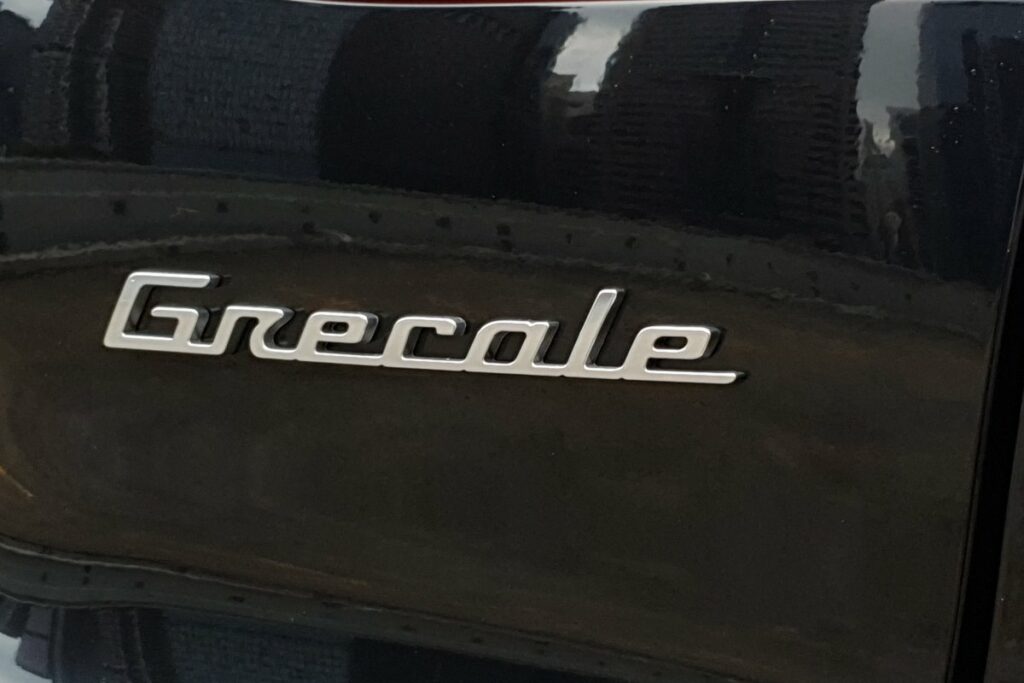
Maserati Grecale GT
| Drivetrain type | Petrol-electric mild hybrid |
| Engine | 1,995cc, inline four, turbocharged |
| Power | 296hp at 5750rpm |
| Torque | 450Nm at 2000rpm |
| Gearbox | 8-speed automatic |
| Electric Motor | Not stated |
| Battery | Lithium ion, unknown capacity |
| System Power | Not stated |
| System Torque | Not stated |
| 0-100km/h | 5.6 seconds |
| Top Speed | 240km/h |
| VES Banding | C2 / +S$25,000 |
| Fuel Efficiency | 9.4L/100km |
| Agent | Tridente Automobili |
| Price | S$279,000 without COE |
| Availability | Now |
| Verdict: | Maserati’s first attempt at a midsize premium SUV hits all the right notes for keen drivers, but features a few interior ergonomic design oddities |