The non-profit focuses on social and community connections to help address homelessness
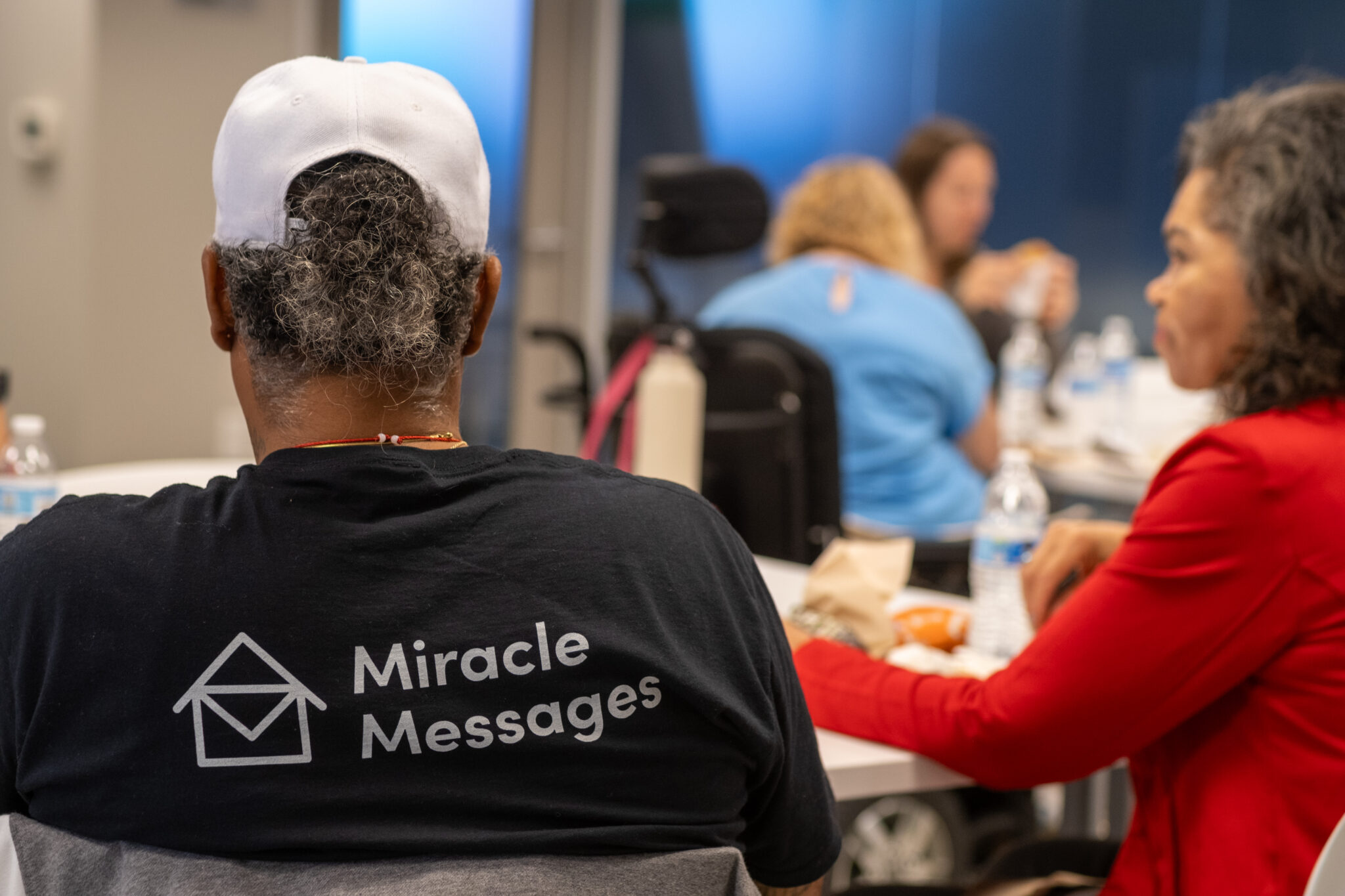
Miracle Messages is expanding into the Denver Metro area.
Miracle Messages is a non-profit organization based in San Francisco whose mission is “to end relational poverty on the streets and, in the process, inspire people everywhere to embrace their unhoused neighbors not as problems to be solved, but as people to be loved,” according to their website.
Miracle Messages setting up operations within Denver reflects a response to the lack of affordable housing and rising rates of homelessness within Denver and surrounding areas.
Based in San Francisco, and operating across multiple states, the organization has reunited over a thousand families with their formerly unhoused family members as of 2024, per the organization’s 2024 annual impact report.
According to the Auraria Sustainable Campus Program, “It is evident that many members of the Auraria Campus community and those surrounding it face basic needs insecurities. In fact, a survey of MSU students found that 70% of the respondents had either been food insecure, housing insecure, and/or homeless in the previous year.”
The organization wants to activate Denver communities and residents, alongside existing non-profits doing work on homelessness to “be a part of the solution with us.
The Metropolitan spoke to Mary Carl, CEO of Miracle Messages, about the organization’s programs and goals, and what that means in a city like Denver.
Carl explained that the program has three aspects. One centers on reunions, and “reconnecting loved ones with their friends and family that they’ve lost along the way,” Carl said. It works like this. Program participants record a video message of themselves for their loved ones, then volunteer “digital detectives” help reunite the person with their family and friends.
Miracle Messages also has a “phone buddies” program where participants talk with volunteers by phone or text message for a period of time. Carl said this program helps participants overcome relationship issues with their family and loved ones. “Sometimes family is part of the challenge” for people facing homelessness, Carl explained.
“Sometimes you need more connections beyond your family,” she said.
She continued, “That’s supported with these incredible digital detective volunteers who help to locate and connect people with their family.”
“And so we have our Miracle Friends program, which is where we connect housed and unhoused individuals on a digital pen pal program” she stated.
The last aspect of their program is about direct assistance, also known as basic income, for people facing homelessness. The program has two cohorts: the Dignity Fund and the Thriving Community Fund. People in the Dignity Fund cohort receive $350 per month for a year while also participating in other Miracle Messages programs. Those in the Thriving Community Fund receive a $750 monthly stipend, according to the organization’s website.
Carl further explained that the purpose of the basic income program is to help participants “ create a little extra space in their life.”
“Often there’s just belief that people who are experiencing homelessness are not working, and that’s just a myth,” Carl said. “A lot of individuals who are experiencing homelessness are working, but they don’t have enough money to be able to cover the costs of housing.”
She also explained that “undergirding all of our work is changing the hearts and minds of our housed community, and for them to understand the complexity of homelessness—why somebody enters into and what their journey is out of homelessness.”
“Homelessness is a broad term that covers a variety of different circumstances,” Carl said. “That can be even the circumstance of what homelessness means. So are you living in your car, living in a shelter? Are you moving from one place to another, like being hosted by family or friends? So there’s a variety of different circumstances that one might determine that they’re in an unhoused situation.”
She also noted that the rising cost of living, limited services, and employment barriers make finding affordable housing options extremely difficult.
“There’s a lot of pieces that are potentially keeping somebody from being able to find employment, to maintain their employment, and then to locate the housing.”
The Metropolitan asked her directly about Miracle Messages’ work and how Denver area residents can get involved.
She replied, “The first thing that I would ask people to do is to just not walk by. To have awareness of your unhoused neighbors and to engage in conversation. I know, like as we were walking around, we would pass out food or pass out different things. Just engaging people would be my first recommendation.”
If you, or someone you know, wants to learn more or wants to volunteer with Miracle Messages, visit the organization’s website at www.miraclemessages.org or call 1-800-MISS-YOU
38