
Platinum-based chemotherapy — in particular cisplatin and carboplatin — are a lifeline for children with certain cancers. These treatments, for instance, transformed the prognosis of hepatoblastoma, a rare cancer of the liver that is the most commonly diagnosed in childhood, from a five-year survival rate of 20% to more than 80% for localized tumors.
However, these medications work by damaging the DNA of cancer cells, and they are also known to cause mutations in the DNA of healthy cells, potentially raising the risk of new cancers later in life. The mutations have been documented in adults, but the picture is less clear when it comes to children. A new study published Thursday in Science sought a clearer understanding of the long-term impact of platinum agents in children treated for hepatoblastoma.
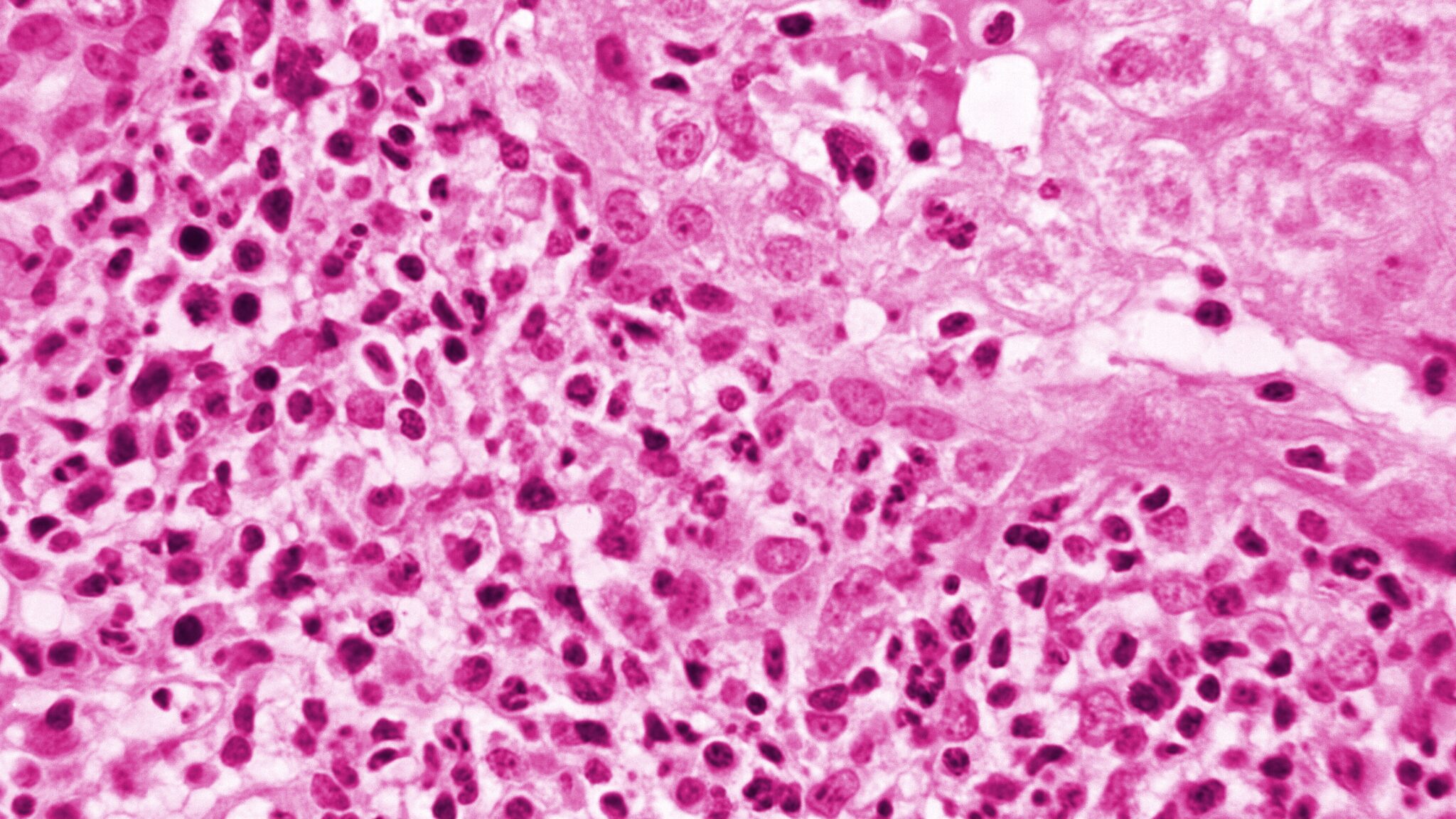
The study looked at children who had received platinum therapy followed by surgery to remove the tumor. The researchers sampled tissues from the liver — both healthy and cancerous — and the patient’s blood, analyzing them through a sophisticated DNA sequencing technique called NanoSeq.