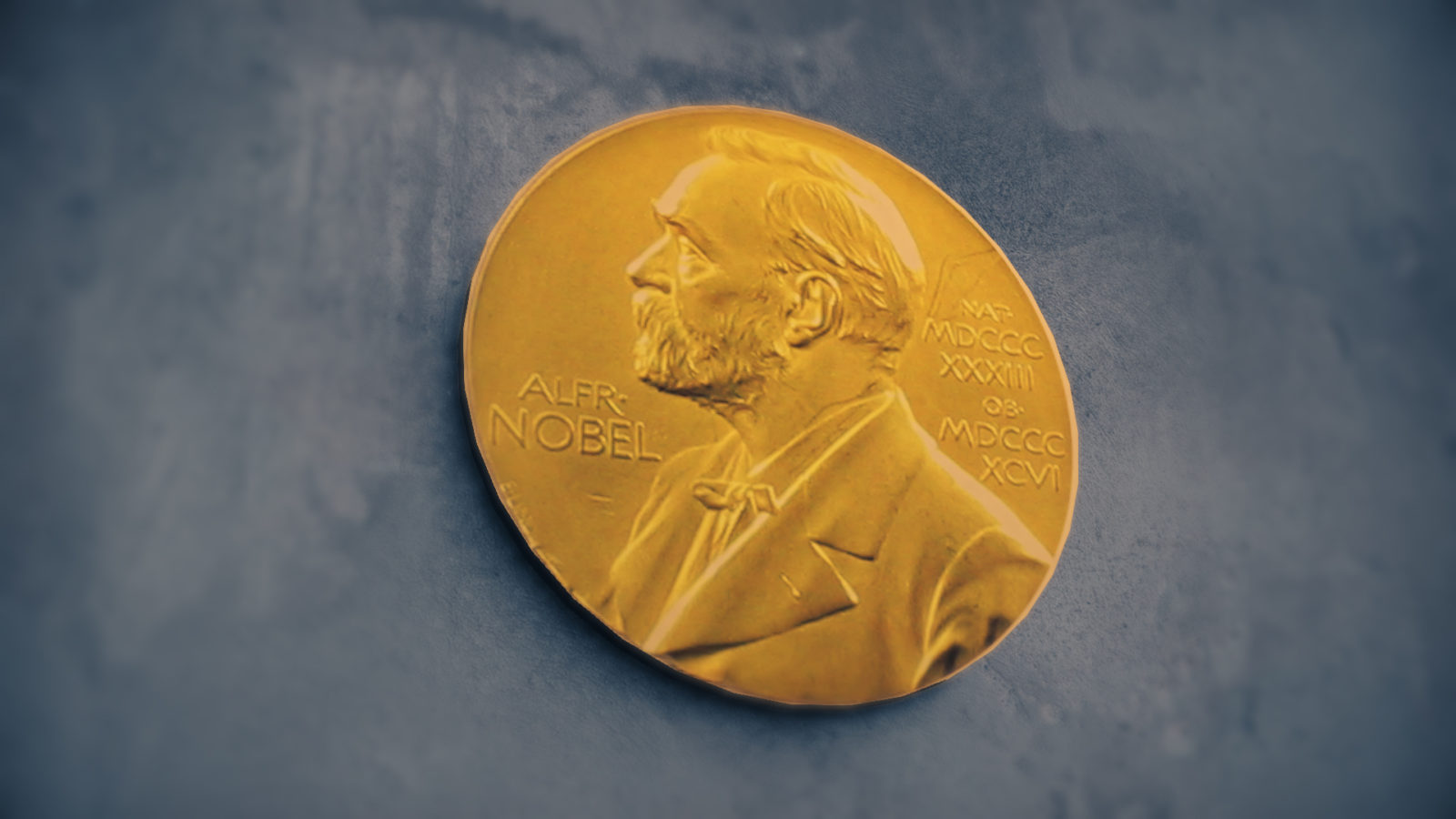
Henri Kagan and Kenso Soai’s work paved way for manufacturing more precise and safer drugs
Henri B. Kagan and Kenso Soai were awarded the 2026 Nobel Prize in chemistry on Wednesday for discovering how to manipulate “mirror image” molecules, paving the way for manufacturing more precise and safer drugs.
Kagan, 95, of the Université Paris-Sud in France, and Soai, 76, of Tokyo University of Science in Japan, solved a chemical mystery: Some molecules exist in the world that are mirror images of one another. This is a phenomenon known as chirality, from the Greek word for hand (as hands are mirror images of one another). Amino acids, the building blocks of proteins, are among chiral molecules, and a living organism can only contain one of the versions. The other mirror molecule is found rarely elsewhere in nature. More than half of clinically employed drugs are chiral, so understanding how this imbalance of two mirrored molecules occurs had crucial relevance for pharmacology.
As the Nobel Committee puts it, imagine needing to make copies of a set of keys, but when you try to make them, you get both the key that correctly fits the lock, and a mirror image of it. It’s very hard to distinguish which is which, so you risk trying the wrong key into the lock.