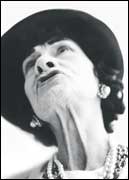
New York-born Richard Avedon was already a prized staff photographer at Harper’s Bazaar when he published his first collection, Observations. Quite unlike other photography books, its layout was fiercely anarchic – images were unevenly spread over two pages, and unexpectedly cropped for effect. Much of it was given over to portraits of celebrities – Charlie Chaplin, Marilyn Monroe, Louis Armstrong, Humphrey Bogart – and most were shown against brightly lit backgrounds in less-than-flattering poses, seemingly caught as if unawares. It included an essay by Truman Capote.
From Harper’s art director, the legendary graphic designer Alexey Brodovitch, Avedon had learned to disregard the distinction between images created for artistic, editorial and even advertising purposes. He took this lesson to heart by applying the techniques of the fashion shoot to his documentary work, and by turning portraiture into a form of reportage.
Avedon was the first photographer to wrest from mainstream magazine editors total control over the selection, sizing and captioning of his images. In this he epitomised the commercial photographer as a staunchly independent artist, heralding the rise of such celebrated names as Annie Leibovitz, Helmut Newton and Mario Testino.
Though his next books and exhibitions would take Avedon’s aesthetics even further, it was with Observations that he discovered the formula for a novel photographic template.
By blurring the boundary between commerce and high art, as well as between the staged and the candid, Avedon created a new graphic language that is ubiquitous today.
Flick through any glossy fashion magazine, from Vogue to Vanity Fair: feature photographs are almost indistinguishable from the ads. Avedon invented many of the visual cues that we are awash in today. Nobody has been as bold or as original since.