One of the world’s most isolated tribes has made contact with outsiders for the first time in half a century.
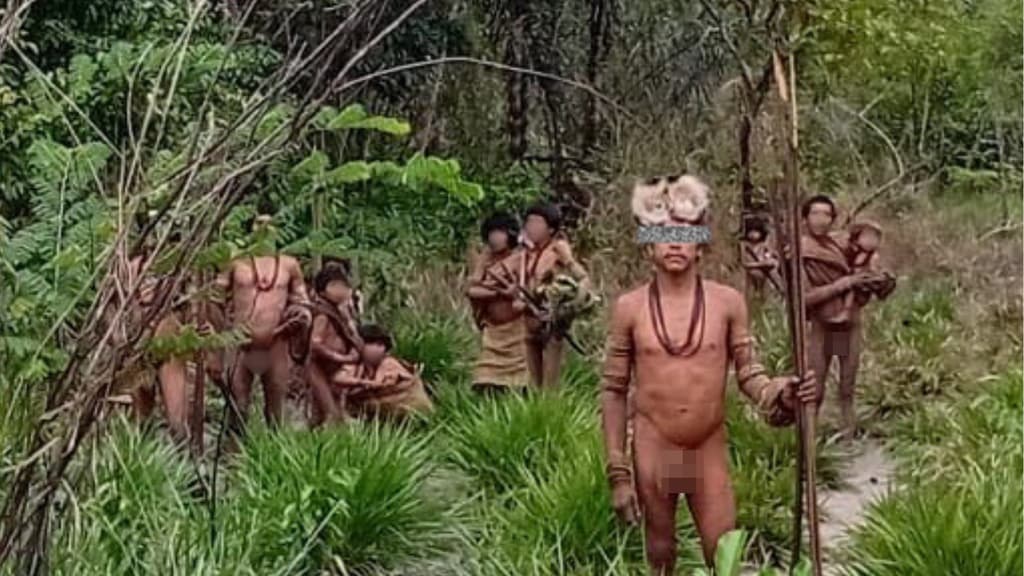
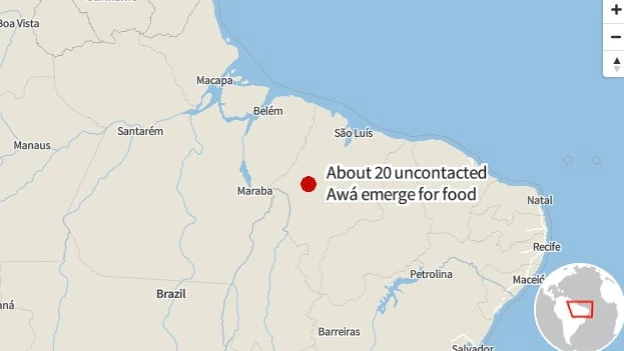
The incredible occurrence appears to be sadly fuelled by sheer desperation, with human rights group Survival International reporting that the tribe had made a hand signal asking for food.
After obtaining some yams, the group cautiously retreated back into the rainforest.
They appeared nervous, with bows and spears in hand, and gathered in the dense vegetation wearing traditional feathered headdresses and necklaces.
They could be heard communicating with each other in their own language and pointing into the distance.
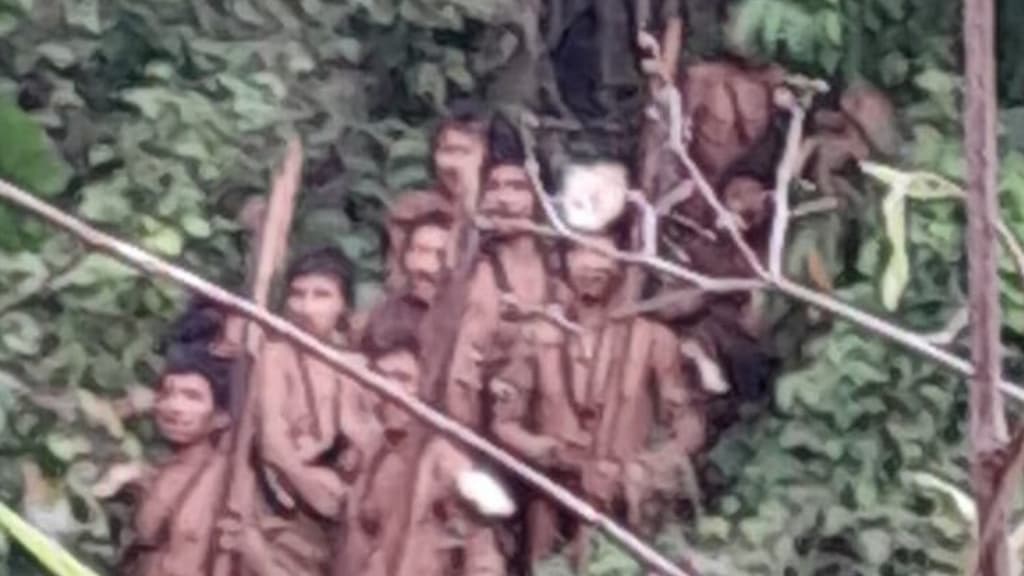
Survival International stated that this was a very rare and historic encounter, being the first time in over 50 years that members of this specific isolated group made deliberate contact with the outside world as a large group.
The incredible moment is underpinned by the devastating reality that many isolated and uncontacted tribes now face in the modern world.
Their territory has been absolutely decimated by illegal logging, hunters and cattle ranchers over the years, making it as difficult as ever to retain their way of life.
The tribe’s sudden decision to deliberately approach outsiders to ask for food, after decades of being self-sufficient hunter gatherers, has raised poignant questions about their future.
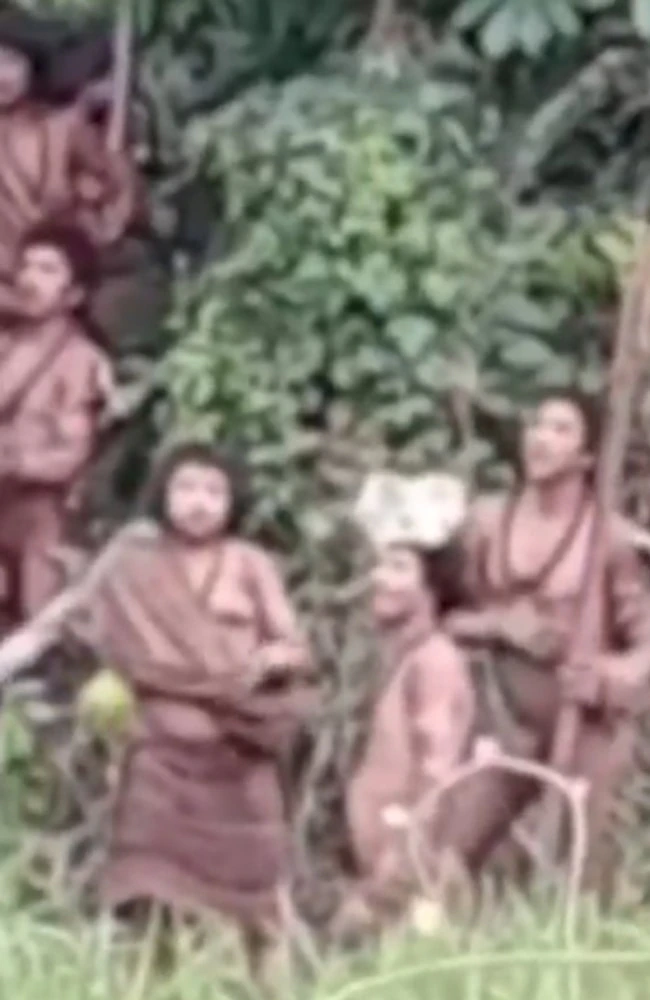
The incident has also sparked fear about the tribe’s increased risk of contracting diseases that could lead to death and eventual extinction, with activists warning similar contact has previously wiped out Indigenous communities in the Amazon.
“This is a troubling indication of how the continued invasion of uncontacted peoples’ forests puts otherwise self-sufficient Indigenous people in real danger,” Survival International Director Caroline Pearce said in a statement.
“The uncontacted Awá are under extreme pressure as intruders encroach from all sides of their territory, driving them into an ever-smaller island of the Amazon rainforest, surrounded by destruction.”
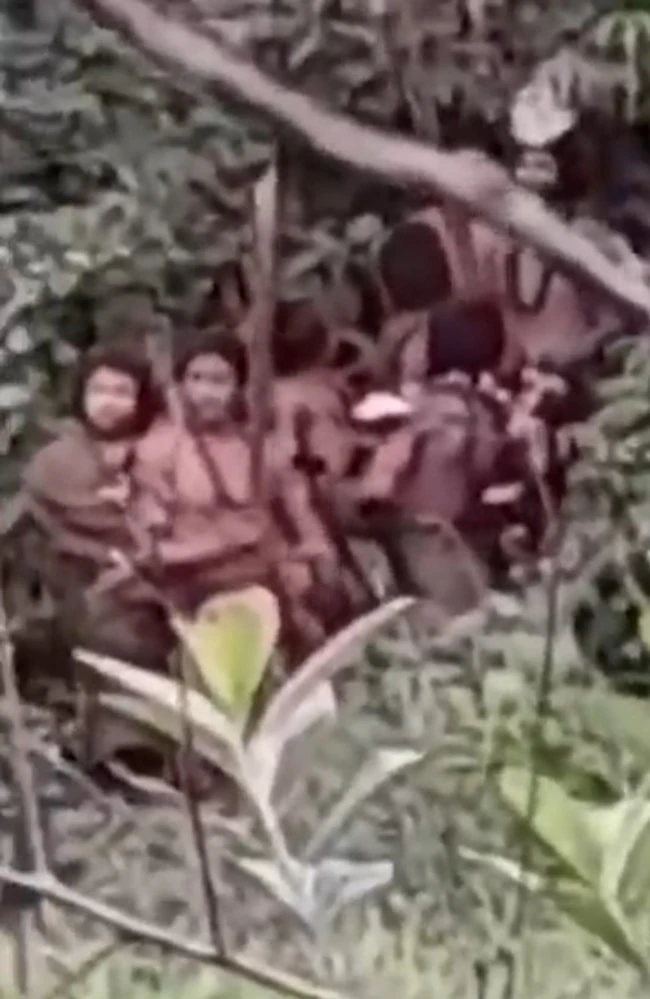
Sarah Shenker, head of Survival Brazil, called the encounter “a crisis moment” and a “wake up call”, according to the Associated Press.
Survival International said that they had previously estimated that around 100 Awá remain isolated, although this is not a current population count.
The Brazilian government has long stressed its policy is to protect the tribe’s right to remain isolated and determine themselves whether to establish relations with outsiders.
It also cautioned that the brief encounter does not necessarily mean the group has chosen to establish permanent contact.
Back in January this year, never-before-seen high-definition footage of an uncontacted Amazonian tribe surfaced in an interview between an American conservationist and podcaster Lex Fridman.
Author Paul Rosolie spent two decades working in the Amazon and said the moment was one of the most profound experiences he ever had.
“In order for any of this to make sense, I had to show you this footage … This has not been shown ever before. This is a world first,” he said.
Up until now, footage of uncontacted tribes has been grainy — usually taken from afar with dated camera equipment.
“The only thing you’ve ever seen are these blurry images … from 100 meters away … and we’re sitting there with, you know, 800mm with a 2x teleconverter,” Mr Rosolie continues.
In the clip, the tribe emerges onto a beach through a literal cloud of butterflies.
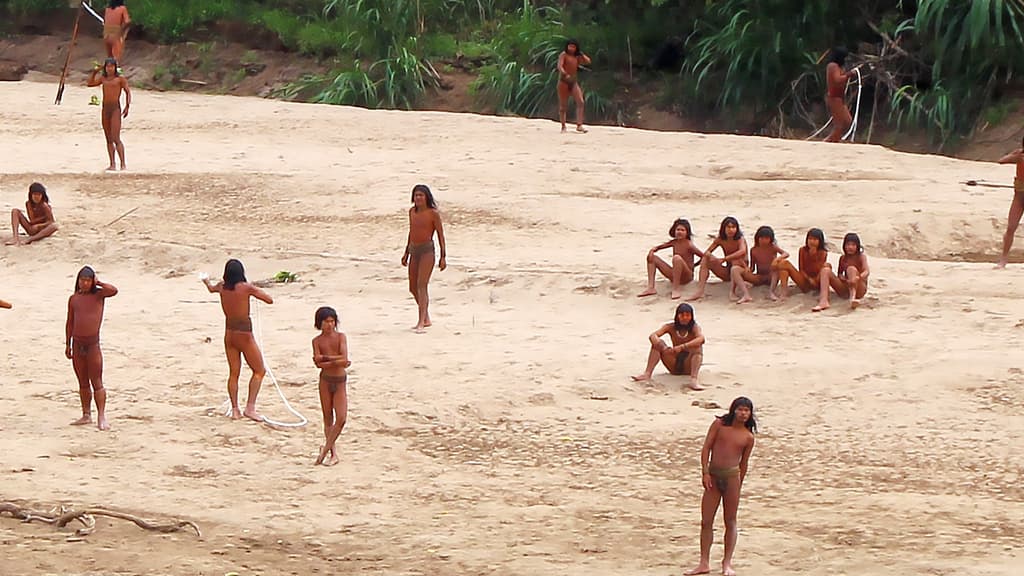
They move with co-ordinated caution, scanning the strangers while attempting to read every detail and analyse the potential threat.
Mr Rosolie remembered watching their body language closely as they grouped in formation with weapons.
“Look at the way they move. Look at the way they point. Look at him with his bow,” he said, pointing to one man nocking an arrow.
Researchers estimate that nearly 200 uncontacted groups still exist globally, most of them in the Amazon rainforest across Brazil and Peru.
Because direct contact can be deadly, knowledge about these communities comes largely from satellite imagery, aerial monitoring, and reports from neighbouring Indigenous groups.
In 2018, 26-year-old American missionary John Allen Chau was killed while attempting to contact the Sentinelese on North Sentinel Island, one of the world’s most isolated Indigenous communities.
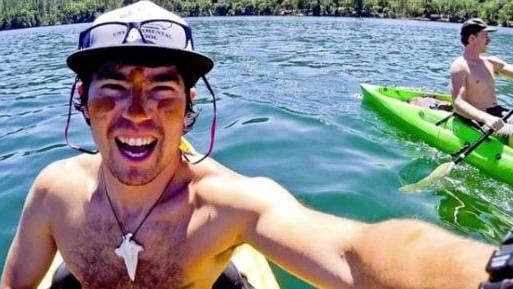
Despite India’s strict ban on approaching the island, Mr Chau paid fishermen to take him ashore. He tried to introduce himself and preach Christianity, leaving behind gifts and recording the encounter in his journal.
But the Sentinelese, who have been known to shoot arrows at outsiders on sight, responded with violence and killed Mr Chau shortly after he landed.
His body was never recovered.
History shows that even brief encounters can introduce common illnesses that are relatively harmless to developed nations, but are deadly to tribes with no past exposure and immunity.
Biologists fear that the introduction of a virus could lead to rapid and sometimes total population losses in uncontacted tribes.