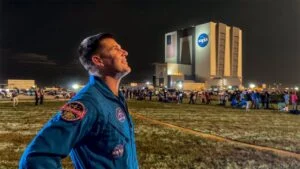
Canadian Geographic is on the scene at Kennedy Space Center for the final countdown to this history-making mission, which will see Canadian Space Agency astronaut Jeremy Hansen become the first Canadian to fly around the moon
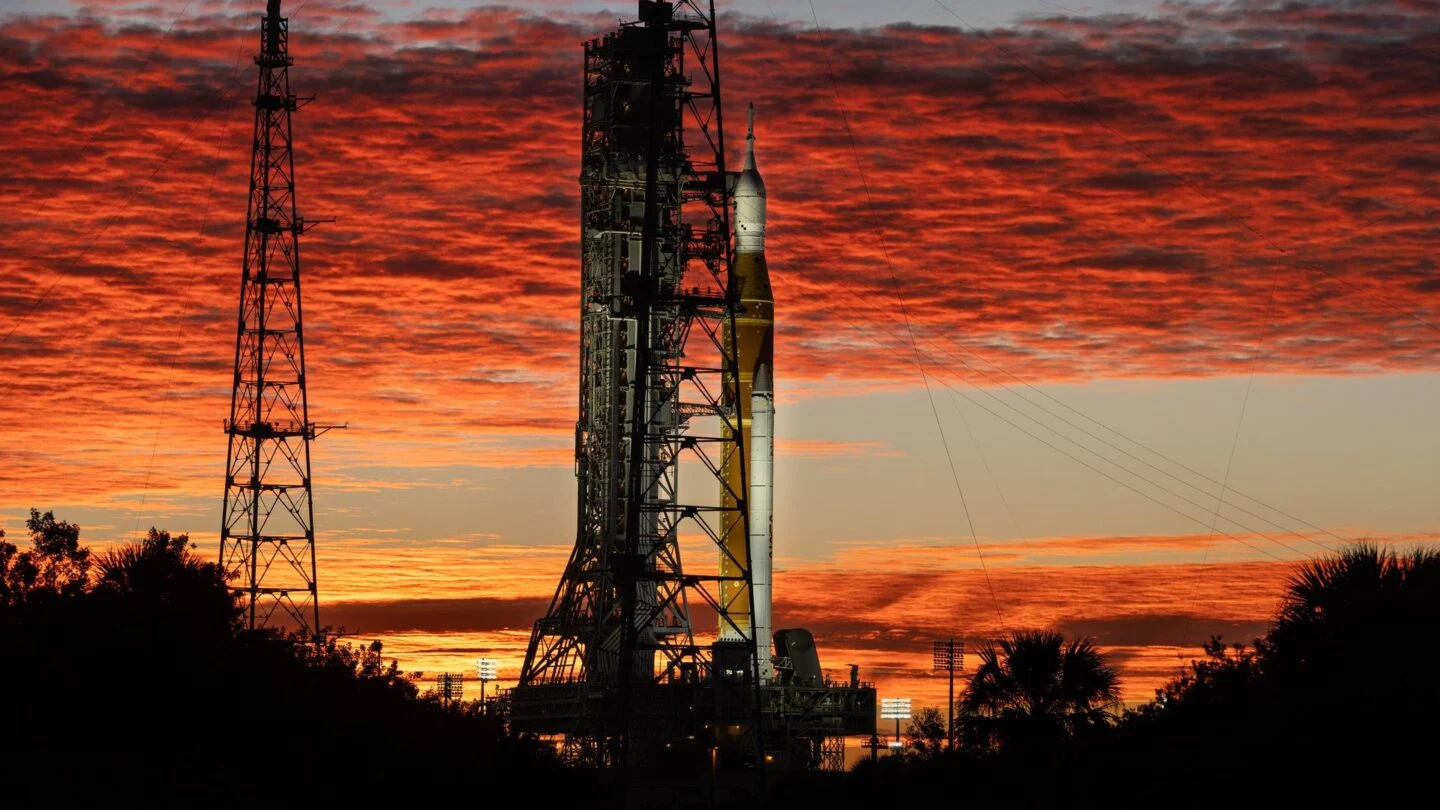
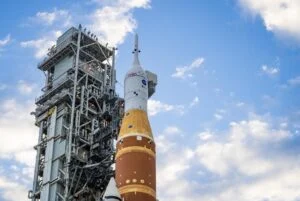
Canadian Space Agency astronaut Jeremy Hansen is set to make history in the coming days as the first Canadian to fly around the moon. Hansen is one of four crew members for NASA’s Artemis II mission, along with NASA astronauts Reid Wiseman, Victor Glover and Christina Koch. The approximately 10-day mission is the first crewed test of the Orion spacecraft and marks the first time humans will leave Earth’s orbit in more than 50 years. The launch clock at Kennedy Space Center in Florida began counting down on March 30 to a targeted launch time of 6:24 p.m. EDT on April 1.
Canadian Geographic is on the scene at KSC covering this historic moment for Canada and for human space exploration. Live updates will be posted here and on Instagram.
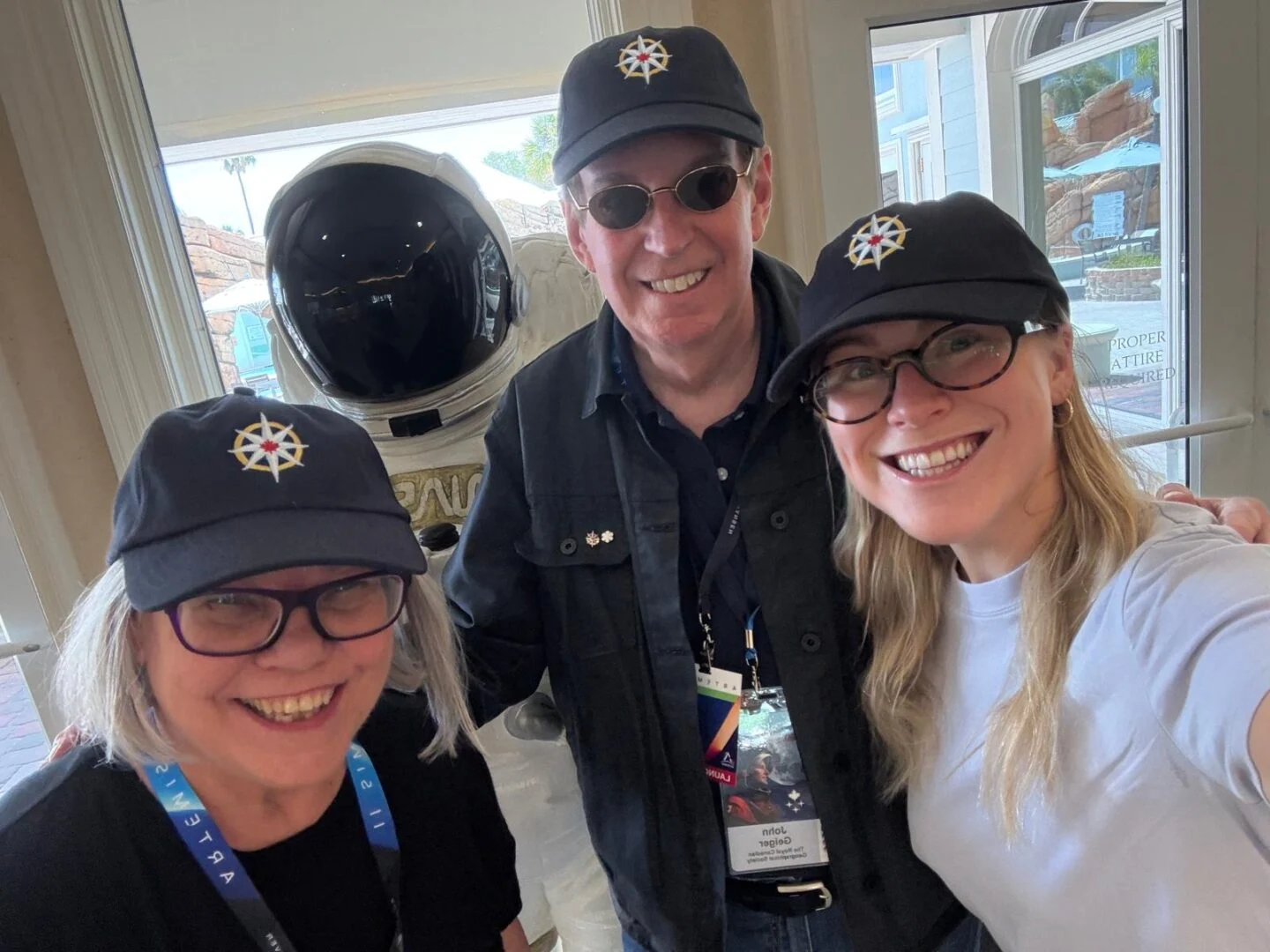
Mar. 31, 12:30 p.m. EDT
Countdown clock activated, NASA monitoring weather ahead of launch
NASA started its famous countdown clock at 4:44 p.m. local time March 30, a sign that the Artemis II mission is ready for liftoff tomorrow evening, launch director Charlie Blackwell-Thompson said at a press conference. “Certainly, all indications are right now we are in excellent, excellent shape as we get into the count,” said Blackwell-Thompson.
All four astronauts arrived at Cape Canaveral on Friday and are getting some rest and time with their families before “we work them very hard,” Artemis flight director Emily Nelson said. Today, they’re in last-minute briefings. Tomorrow, they are scheduled to leave NASA’s “walkout” facility shortly after 2 p.m. local time and get into the spacecraft.
The NASA team continues to monitor a recent coronal mass ejection from the sun and a fast solar wind heading toward Earth, but said the effects from this severe space weather are expected to dissipate before the launch window. As well, the team is watching out for cumulus clouds that could hold lightning. Lightning would postpone the launch, which is set for 6:24 p.m. tomorrow but could go as late as two hours after that. Future launch windows include April 2, 3, 4, 5 and 6. NASA is holding a final news conference today at 1 p.m. to update its plans. More to come. — A.M.
Mar. 31, 11:05 a.m. EDT
“That’s when I’ll have my fingers and toes crossed the hardest:” Chris Hadfield on the Artemis II mission
Retired Canadian Space Agency astronaut Chris Hadfield has flown two Space Shuttle missions and served as commander of the International Space Station. Last year, Canadian Geographic contributing editor Alanna Mitchell spoke to Hadfield about the significance — and potential perils – of the Artemis II mission. Here’s what he had to say.
On Hansen as the right astronaut for the role
He has risen to multiple leadership positions within the astronaut corps, both at the Canadian Space Agency and NASA. He’s been working daily and creatively improving his own skill set so that he is as ready as possible. [This mission is] asking a lot and so that requires a certain type of mentality and tenacity and a decades-long clarity of focus, and he’s got all those things. He’s spoken to all the remaining Apollo astronauts and all of their support crew. He’s not just technically ready, but psychologically and emotionally ready.
On potentially going further into space than any human has before
When you’ve already gone 400,000 kilometres, another 50,000 kilometres is [technically] a record — but, you’re leaving Earth. And you’re not there to set records. You’re there to push the edge of human understanding and capability and and that’s what they’re doing, on a brand new rocket that nobody’s ever flown. They’re laying the groundwork for for human settlement on the moon. And that’s enormous in the history of our species. So they’ve got all those thoughts, not what it says on the altimeter.
On the danger
The real moment [of danger] will be the translunar injection, which is the firing of the engine to accelerate from Earth orbital speed to “escape” velocity. And if you do the math … he has to go 41 per cent faster than I’ve gone and then he’ll be able to leave Earth. It’s symbolic. That’s the one that takes them away from the Earth and that’ll be when I have my fingers and toes and eyes crossed the hardest.
On where he’ll be on launch day
I‘ll be there at the launch site, helping support family and friends and I will be clenching and unclenching my fists and standing there wishing that everything’s going to work, because that’s all you can really do when you’re in the support role. You just stand there and helplessly hope and I’ll be one of those people, wishing him on his way.
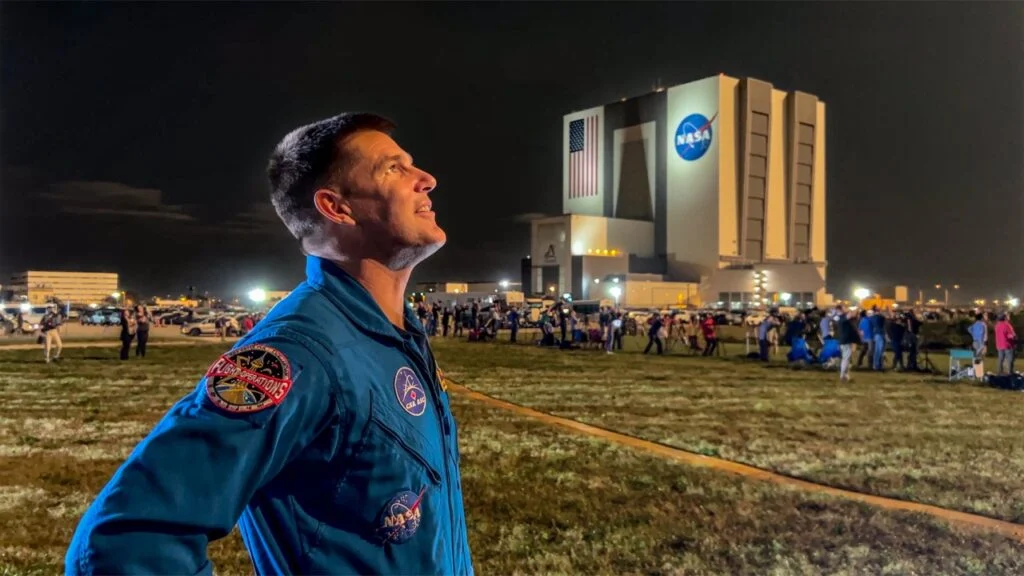
Mar. 31, 10:34 a.m. EDT
Who is Jeremy Hansen, the Canadian tapped by NASA for the Artemis II mission?
One of the most famous origin stories about Canadian Space Agency astronaut Jeremy Hansen is that when he was a kid growing up on a farm near Ailsa Craig, Ont., he flipped open the first volume of an encyclopedia and, under the letter A, happened on a picture of the astronaut Neil Armstrong standing on the moon. Armstrong was part of NASA’s Apollo era, which ended before Hansen, who turned 50 in January, was born. But the image ignited a lifelong passion in Hansen, who shortly thereafter turned his treehouse into a spaceship.
Still, how do you get from an imaginary spaceship in rural Ontario to the moon? Hansen, still sitting calmly in front of the camera, is quick to credit others. “One day, I told my family. I told teachers, and people started to use that inspiration to push me,” he says.
Even when he occasionally lost faith, these supporters kept him going. “I don’t think being able to set the goal and believe in it initially is unique, but to have the people around you who will enable you to hold the vision long enough to attain it, maybe that is, unfortunately, somewhat rare.”
Read the full story by Alanna Mitchell