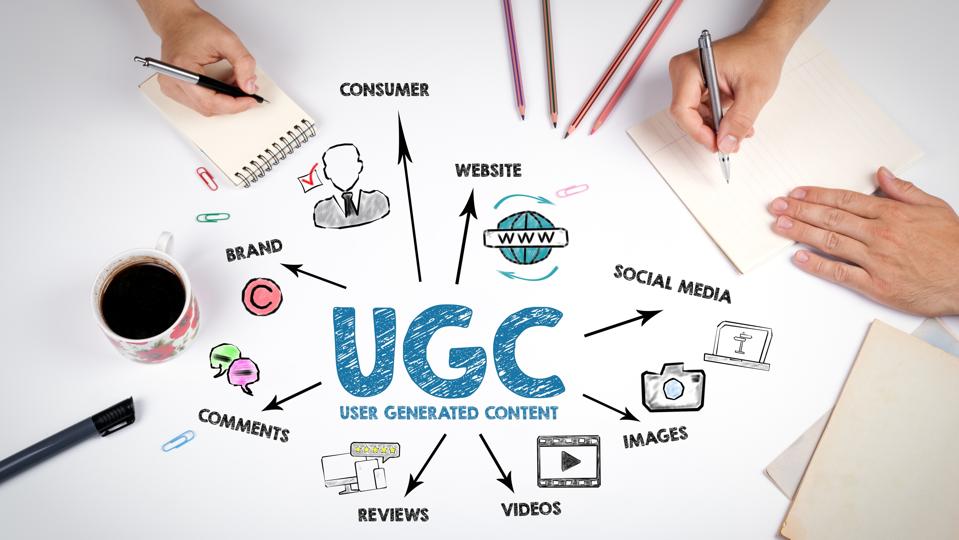
If you’re reading this article, you’ve likely heard about user-generated content (UGC). You also know brands are gobbling it up. But a big question looms: How do I land paying work, real UGC creator jobs, not just offers to create for fun and free product? The work is definitely out there: In 2025 alone, companies will spend more than $7.6 billion on UGC. That’s a lot of money. And you can have a piece of it. But how? Where to start? There are close to 100 UGC creator platforms and UGC job platforms that make it simple for you to find paying work. In this guide, I’ll walk you through the best UGC platforms for creators. I’ll show you where to sign up and what each platform offers so you’ll know which ones are worth your time.
How to find UGC jobs
You don’t need a giant following to get UGC jobs. But you do need proof that you can make short, authentic videos for brands to use. That proof comes in the form of a portfolio.
The fastest way to create a UGC portfolio is to whip up sample content using products you already own and love. Create an unboxing video, record a quick demo, or shoot a video before-and-after. Then, pitch directly to those brands with a quick note, like, “I love your product and shot a few short videos about it. Would you like to use them in your marketing?” You can also apply through platforms designed for UGC creators. Both paths work. Direct pitching gets you in front of companies fast, while platforms act like a matchmaker between creators and brands. Most successful creators wind up using a mix of both, treating themselves less like hobbyists and more like one-person production studios.
Top UGC platforms
With close to 100 UGC platforms to choose from, your best way to narrow down where to start is to think about the type of content you like to create, and choose a platform that focuses on that type of content. TikTok is best for short, scrappy videos. Instagram favors visual storytelling that feels really personal. YouTube is best for longer explainers and tutorials, while LinkedIn is right for business stories and testimonials. The job boards and creator tools I’m about to introduce you to will help you find brands looking for all content types.
1. TikTok Creator Marketplace
TikTok is ground zero for UGC. Because 60% of brand engagement on TikTok comes from UGC, it’s no wonder that 46% of creators say it’s their top platform. The Creator Marketplace is TikTok’s official tool for matching brands and creators, and one of the most powerful UGC platforms available today.
Here’s how it works. First, set up a TikTok Pro Creator account. Then, apply through the Creator Marketplace using the website or app. Once you’re in, brands can find you as they filter by niche, engagement rate, and content style. You get access to brand briefs, built-in chat, and payment protection. The Creator Marketplace is free to join. Brands post what they’re willing to pay, and you decide whether the deal works for you.
You don’t need millions of followers to get work, either. In fact, creators with fewer followers often have the advantage. Accounts with fewer than 100,000 followers average engagement rates around 8%, which really grabs a brand’s attention because it’s more than twice what mega-accounts with more than 10 million followers see. If you’re just starting out, authentic clips like unboxings, tutorials, and challenge-style videos can help you land your first UGC jobs.
2. Instagram Collabs / Meta tools

Instagram is also a powerhouse for UGC. Brands love it because UGC gets them 70% higher engagement than brand-created content. Even better, brands often reuse that hot content in ads across Instagram and Facebook. Meta makes it all possible with two key features: Collabs, the front-facing tool that lets a brand invite you to co-author a Reel, Story, or post; and Partner tools, which handle the contracts and payments.
There’s a catch, though: Meta’s old Brand Collabs Manager is no longer onboarding new creators. Instead, they’re folding the functions into Instagram’s native creator tools. To get started with UGC on Instagram, turn your personal account into a creator account so brands can discover your profile and invite you into Collabs. The setup is free for creators. Brands decide the budget for each project. If you accept and they approve your work, payment runs through Meta’s system.
What works best here? Visual storytelling that feels personal. Lifestyle, beauty, fashion, and fitness are all strong categories. If you’re comfortable on camera and like creating quick, engaging visuals, you’ll like Instagram. It’s one of the best UGC platforms for landing collabs for UGC that brands can use across Meta’s full ad network.
3. YouTube BrandConnect
YouTube doesn’t always get lumped into conversations about UGC, but it should. Research shows that UGC videos on YouTube have a 45% higher conversion rate than brand-created videos, which may stem from the fact that people spend three times longer watching UGC videos on the platform. The same research also shows that YouTube video watchers are 98% more likely to trust UGC creator recommendations as compared to brand ads. BrandConnect, YouTube’s official brand–creator marketplace, is how brand-creator partnerships happen.
To get started, you’ll need a YouTube channel. Then, if you meet YouTube’s eligibility requirements, you can turn on BrandConnect. Eligibility depends on the size of your channel, engagement, and whether you meet YouTube’s Partner requirements. Once you’re in, brands can discover you and book collaborations directly. BrandConnect doesn’t cost you anything; YouTube earns its fee from the brand side.
What thrives on YouTube? Tutorials, how-to content, product explainers, and longer reviews. But shorts are also hot on the platform, giving you a TikTok-style entry point into YouTube’s reach and credibility. If you’re good at storytelling and prefer content longer than 15 seconds, YouTube can be one of the best UGC platforms to show brands that you can drive more views—plus trust and sales.
4. LinkedIn
LinkedIn doesn’t have an official UGC marketplace like TikTok or Instagram, but that’s what makes it interesting. In B2B niches like SaaS, fintech, and consulting, brands are paying creators for testimonial-style UGC to run as organic posts or ads. If you work in business, tech, or finance, LinkedIn could be your hidden advantage for UGC jobs because it’s one of the most overlooked UGC platforms out there.
Unlike other platforms, there are no switches to flip or modes to toggle. But there is a process for getting started: Polish your profile, add UGC content to your feed, and then pitch the companies you’d like to work with. There are no fees involved; you’ll work directly with brands, unless you use a UGC marketplace, which I’ll tell you about coming up next.
What works best on LinkedIn? Professional storytelling. Short case studies. Day-in-the-life clips. Product walk-throughs. Thought-leadership snippets. LinkedIn favors content that builds authority and trust, so if you can clearly explain complex ideas or show real-world results, you’ll stand out. And because most creators overlook LinkedIn, it’s still one of the best places to land UGC jobs in business and tech.
5. Collabstr
Unlike TikTok or Instagram, where brands promote the UGC you created, Collabstr and the other platforms I’ll talk to you about from here on out are UGC marketplaces, spaces where brands come looking for creators like you to make content for them.
Collabstr is one of the largest, connecting thousands of creators with brands. And because companies post here often, you’ll have more opportunities to land paid UGC jobs.
Signing up is free. Create a profile and list your services, like UGC videos, product photos, or short reviews. Brands book with you directly, no pitching on your part required. Payments run through the platform, with Collabstr taking its cut from the brand side.
Collabstr is especially good for UGC beginners. You can see the rates brands pay up front, so there’s no guessing or back and forth. Add to that lots of short projects you can knock out fast, and Collabstr makes it easy to test the waters, build your portfolio, and get paid at the same time. If you’re new to UGC and looking for one of the best UGC platforms to start with, Collabstr should be high on your list.
6. Insense
Whereas Collabstr feels like a gig board, Insense is more like a campaign hub. Brands post briefs and invite creators to apply, so instead of waiting for someone to browse your profile, you can actively pitch yourself for projects.
Some campaigns are pure UCG; you deliver the content for brands to use in ads, and you’re done. Others cross into influencer work, where you also publish the content you just created to your audience. Either way, joining Insense is free. Brands set the project budget, and once you’ve delivered, payment runs through the platform; the brand covers the platform fee.
Insense is especially strong in lifestyle and beauty, where new campaigns are constantly launching. If you’re open to both kinds of work—straight UGC creation or UGC creation plus publishing—Insense is one of the more flexible UGC platforms to join.
7. Trend.io

Trend.io is all about consistency. Instead of chasing individual jobs, you can join projects where brands send you a steady stream of UGC work every month. That model makes Trend.io one of the few UGC platforms that give you regular projects you can count on.
How does it work? Brands buy subscription packages, which keeps the flow of briefs coming—four videos a month, a new unboxing each week, or whatever else they’ve asked for. You can apply to those briefs, or sometimes Trend.io’s team connects you directly with a brand. Signing up is free on your side. The companies are the ones paying for packages, and that’s what funds your project.
Trend.io is best if you want stability and don’t like the idea of constantly pitching or waiting for random invites. Here, you’ll have a great chance of building ongoing relationships with brands that need a steady supply of authentic videos. If your goal is to turn UGC into a consistent income rather than a side hustle, Trend.io belongs on your shortlist.
8. Brands Meet Creators

Not every business can afford TikTok campaigns or Trend.io subscriptions. That’s where Brands Meet Creators comes in. It’s a smaller marketplace that connects everyday companies—think local shops, small e-commerce brands—with UGC creators like you. Out of the crowded field of UGC platforms, this one stands out because it’s one of the easier places to break in.
On the platform, small businesses post briefs that may ask for a single unboxing video or a few product photos. It’s free for you to apply for gigs. And once a brand signs off on your work, your payment comes through the platform.
Brands Meet Creators is a great starting point if you’re looking to build a portfolio with paid work. The jobs may not pay as much as those on the bigger platforms, but they’re easier to land and give you real-world projects to showcase in pitches later. If you’re new and looking for UGC jobs that feel approachable, this UGC platform is a good place to begin.
9. Billo

Billo takes a different approach to UGC because it doesn’t leave brands guessing which creators might work best. Instead, Billo shows them what kinds of videos actually sell. That focus makes it one of the few UGC platforms where your chances depend on how your content performs, not on how many followers you have.
Here’s how it works. You sign up, build your profile, and apply to brand briefs. Behind the scenes, Billo tags your videos, tracks what elements perform best—things like hooks, calls to action, and formats—and shares that info with brands. The upside for you? If your content delivers results, you stand out. Joining Billo doesn’t cost creators anything. Brands cover the campaigns, and the platform earns its revenue from their side.
Billo is best if you’re ready to move beyond beginner gigs into bigger projects. The companies here aren’t just after content, though. They want ads that convert. If you’re ready to prove your videos look real and move products, Billo may be your next best step.
FAQs
How do you become a UGC influencer?
A UGC influencer isn’t the same as a traditional influencer because you don’t need millions of followers or a carefully curated feed. Instead, brands pay you to create authentic-looking content they can use in ads, on product pages, or across their own channels. In other words, your job is to look and sound like a real customer.
To become a UGC influencer, start by building a small portfolio with five to 10 sample videos showing different styles like unboxings, tutorials, and lifestyle clips. Then position yourself as a one-person production studio—someone who can make marketers’ lives easier and deliver content assets, not just posts. Brands want creators who can step into that role, which is why mindset matters. Think less “posting for fun” and more “helping brands earn money by showing up in ways that feel real.”
How do you make quality UGC?
Good UGC doesn’t mean polished or glossy. It means believable. Clear audio, natural lighting, vertical format, and stories that feel real are the basics. Think of how you’d recommend a product to a friend; that’s the tone brands are paying for.
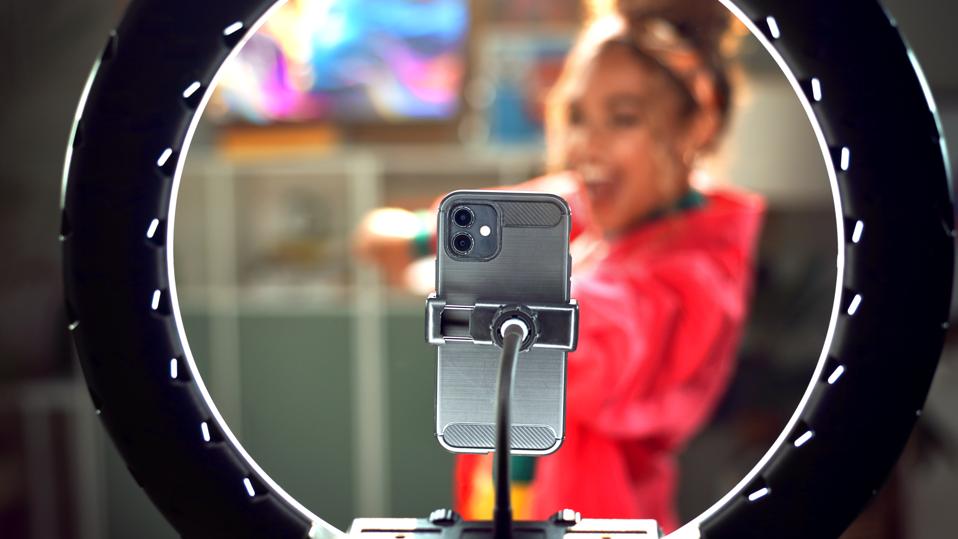
For quality, consistency matters more than equipment. A ring light and a tripod help, but you don’t need a studio. What you do need is attention to detail: tight framing, steady shots, and a clear hook in the first few seconds. Brands also love variety, so mix up your formats. Do unboxings, demos, and before-and-after clips to show your range. Range will get you noticed when you apply to UGC jobs.
How do you get a UGC job with no experience?
Ah, yes. It’s the catch-22 of UGC. You need samples to land jobs, but you need jobs to make samples. The solution? Create your own UGC. Film mock content using products you already own and love. Consider sharing your evening skincare routine, a coffee club unboxing, or a software walkthrough. Treat those first clips like real assignments and deliver them complete with captions and calls to action.
Once you’ve got five to 10 strong pieces, upload them to TikTok or Instagram to showcase your style. Then apply through UGC platforms that welcome beginners, like Collabstr and Brands Meet Creators. Brands hiring on those sites often expect new creators, and as long as your portfolio gives them enough to say yes, you have a shot. Pitching directly to small businesses also works. Many small businesses are hungry for authentic video and won’t care if it’s your first paid gig or not.
Bottom line? UGC is a fast-growing industry where brands are spending billions. With the right portfolio and the right UGC platforms, you can turn short, authentic videos into steady income. The work is out there—all you have to do is reach out or apply and grab it.
