One million dollars in federal grants will support Stroud Water Research Center tree-planting and livestock-fencing efforts on at least six farms, the majority of which are expected to be in Lancaster County.
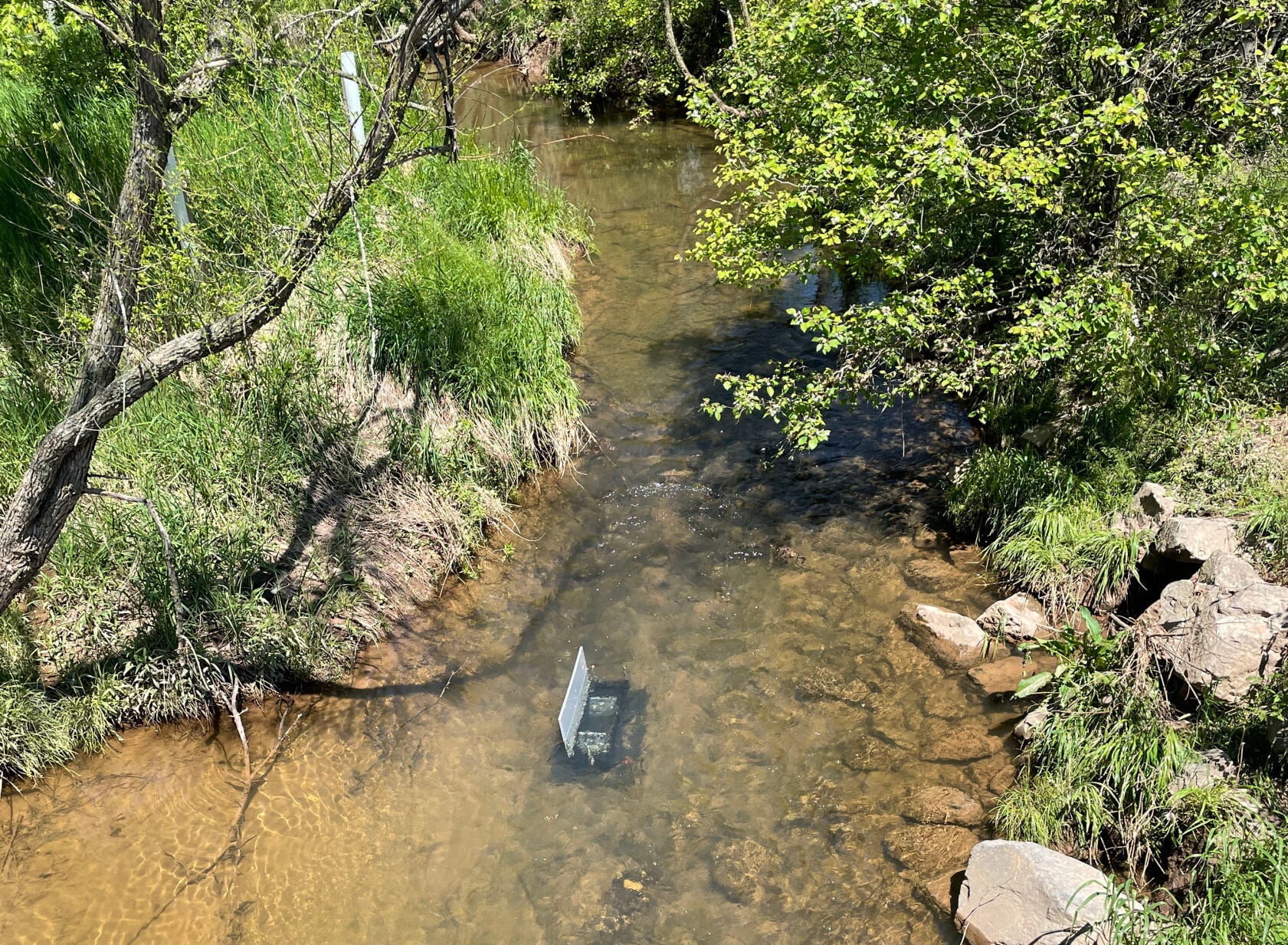
The Chester County-based nonprofit is targeting farms in Lancaster, Lebanon, Berks, Chester and Bradford counties for the latest phase of its streamside plantings designed to filter harmful farm runoff before it hits local waterways.
“We are very busy with buffer work here in Lancaster, but also recognizing that the Susquehanna River Basin is a huge watershed with needs all over,” said Lamonte Garber, Stroud’s watershed restoration coordinator, “and we’re trying to help partners in other counties.”
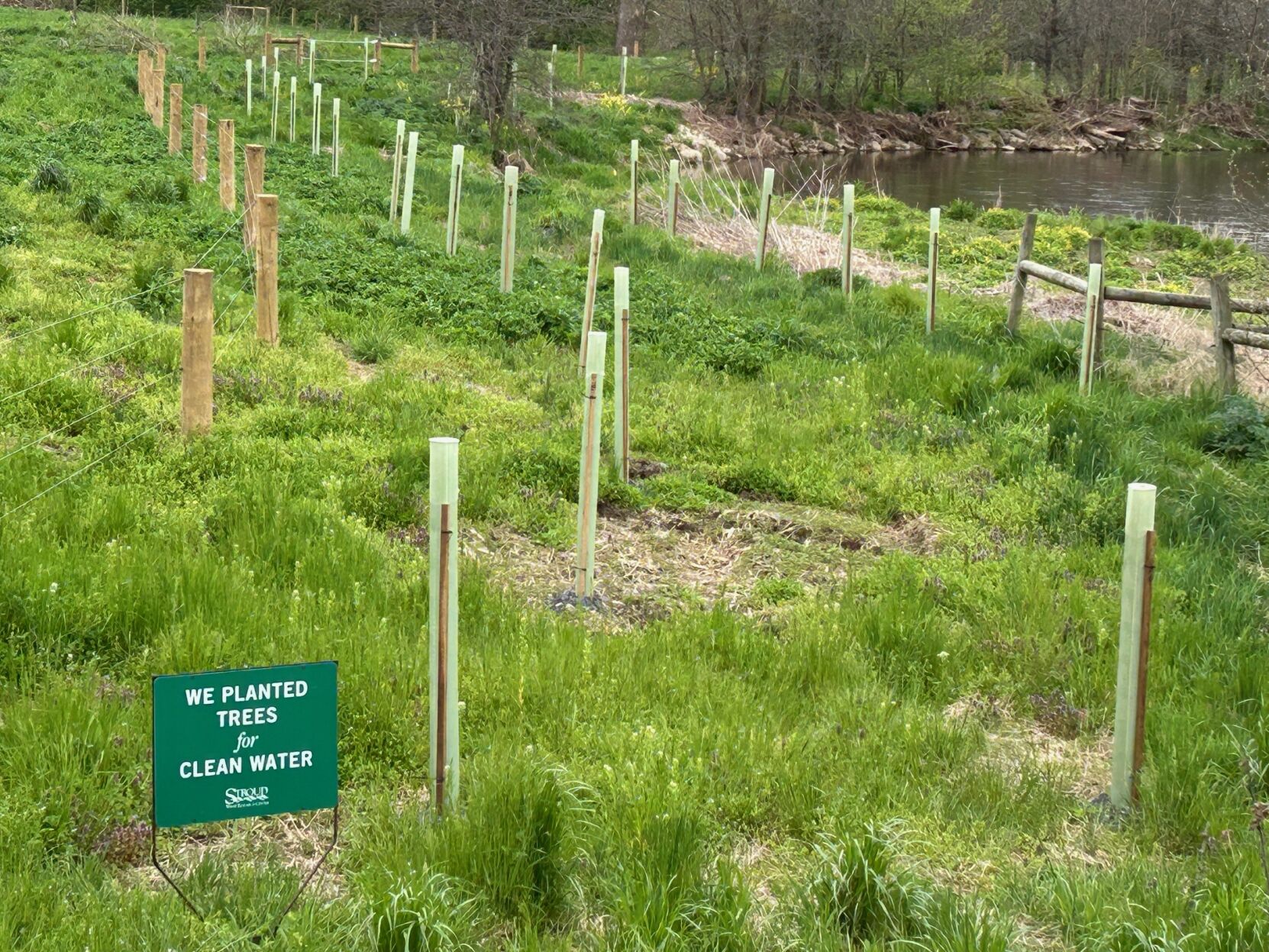
A National Fish and Wildlife Foundation grant designed to reduce pollution in the Chesapeake Bay watershed will provide $1 million and the Chester County Conservation District is contributing $540,400 in matching funds.
The work is part of a larger $5 million effort funded through the federal National Fish and Wildlife Foundation and the Pennsylvania Department of Conservation and Natural Resources.
Staggered grants to support tree plantings and livestock fencing started in 2023, and the latest grant will fund those projects through 2026. Garber estimated the total work to include 300 acres of streamside plantings across 60 sites.
Maintenance work will continue past 2026, as Stroud has committed to providing three years of assistance to participating landowners to improve tree survival rates.
The wider effort includes some projects in the Delaware River watershed, but the majority of work will go toward helping Pennsylvania meet its share of Chesapeake Bay pollution reduction goals.
Members of the Chesapeake Bay watershed - Delaware, Maryland, New York, Pennsylvania, Virginia, West Virginia and the District of Columbia - set pollution reduction targets for 2025, and monitoring data indicates those goals will not be met.
However, Lancaster County conservation workers have consistently focused on progress made in local waterways, and there has been good news on that front. The annual University of Maryland's Center for Environmental Science Chesapeake Bay Report Card ranked the Upper Bay, the Bay region Lancaster County drains into, as the second-highest scoring for ecosystem health.