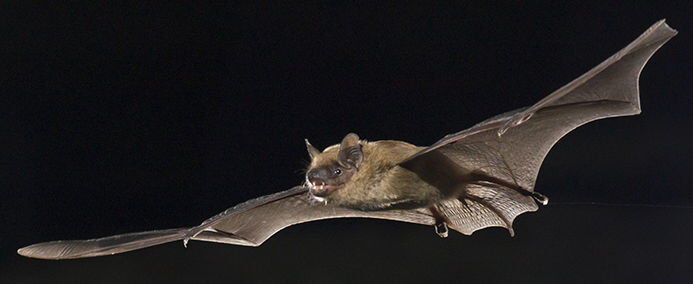
Audio recording and insect trap data reveals Lancaster city green roofs increase biodiversity and attract bats that provide pest-control benefits for local residents.
“Green roofs are providing not only a diverse diet but bigger bang for their buck in terms of the insect biomass,” said Millersville University biology professor John Wallace.
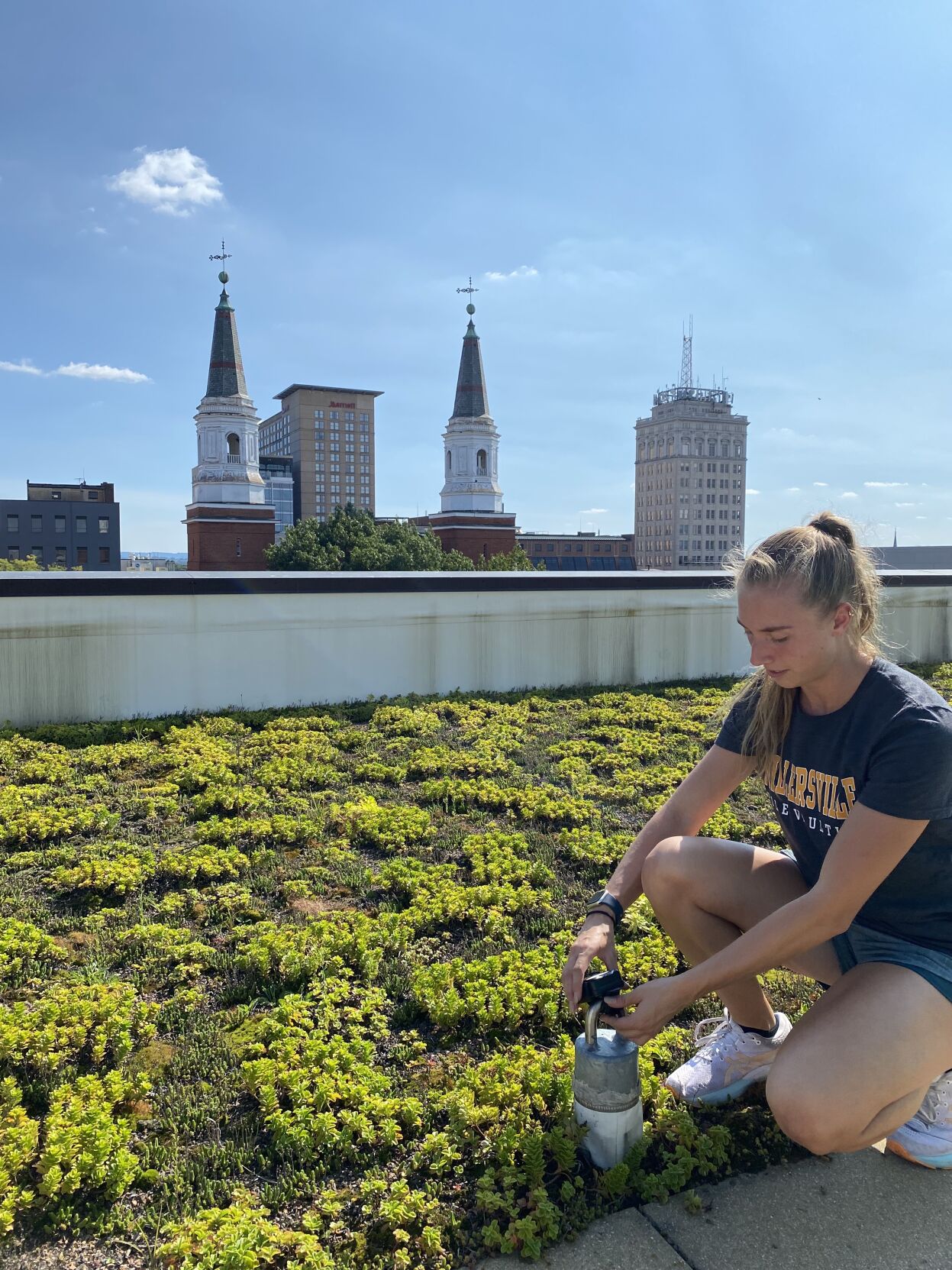
Tent-like insect traps placed on six roofs this summer helped expand an ongoing, three-year MU and Franklin & Marshall College collaboration that started with audio recordings and aimed to quantify how much green roofs benefit bats.
“These green roofs act as islands not only for bat activity but also for pollinating insects,” MU biology professor Aaron Haines said.
COLUMN: ‘Green’ roofs bring more bats into city, and that’s a good thing
Findings are still preliminary as data collection and statistical analysis is not yet complete, but researchers said their data could provide additional motivation for urban planners to incorporate green roofs into cityscapes.
Improving wildlife habitat is one reason green roofs are an attractive option, but better management of water and heat are often the primary motivation behind their installation.
“By building green roofs you not only manage stormwater in a more environmentally safe way, but you also increase biodiversity and ecosystem complexity by providing the basis or base for a food web,” Wallace said, explaining that the ability of green roofs to absorb stormwater helps decrease runoff and reduce erosion.
Green roofs also reduce the urban heat island effect by providing shade and reducing the surrounding temperature.
Next steps for the bat study would include expanding data collection to cover the entire period from early spring to late summer to better track patterns in particular bat species and potentially determine migratory patterns, Haines said, adding that he’s also curious to learn more about how an increase in insect biodiversity could benefit birds as well as bats.
Researchers found that green roofs are not a “silver bullet,” Haines said, explaining that green roofs located near tree canopy appeared to have more of an effect on bat activity.
“If you put up a green roof, it’s not like you’re gonna have the Jungle Book on top of your roof,” Haines said.
Collaborators on the project include MU junior Darian Hauf, F&M biology professor Dan Ardia and F&M Director for the Center For Sustainable Environment Nicholas Auwaerter.