Penn State received a four-year, $650,000 research grant from the U.S. Department of Agriculture to use artificial intelligence to process data on nitrate levels in the Chesapeake Bay watershed to better inform those working to cut harmful pollution in local waterways.
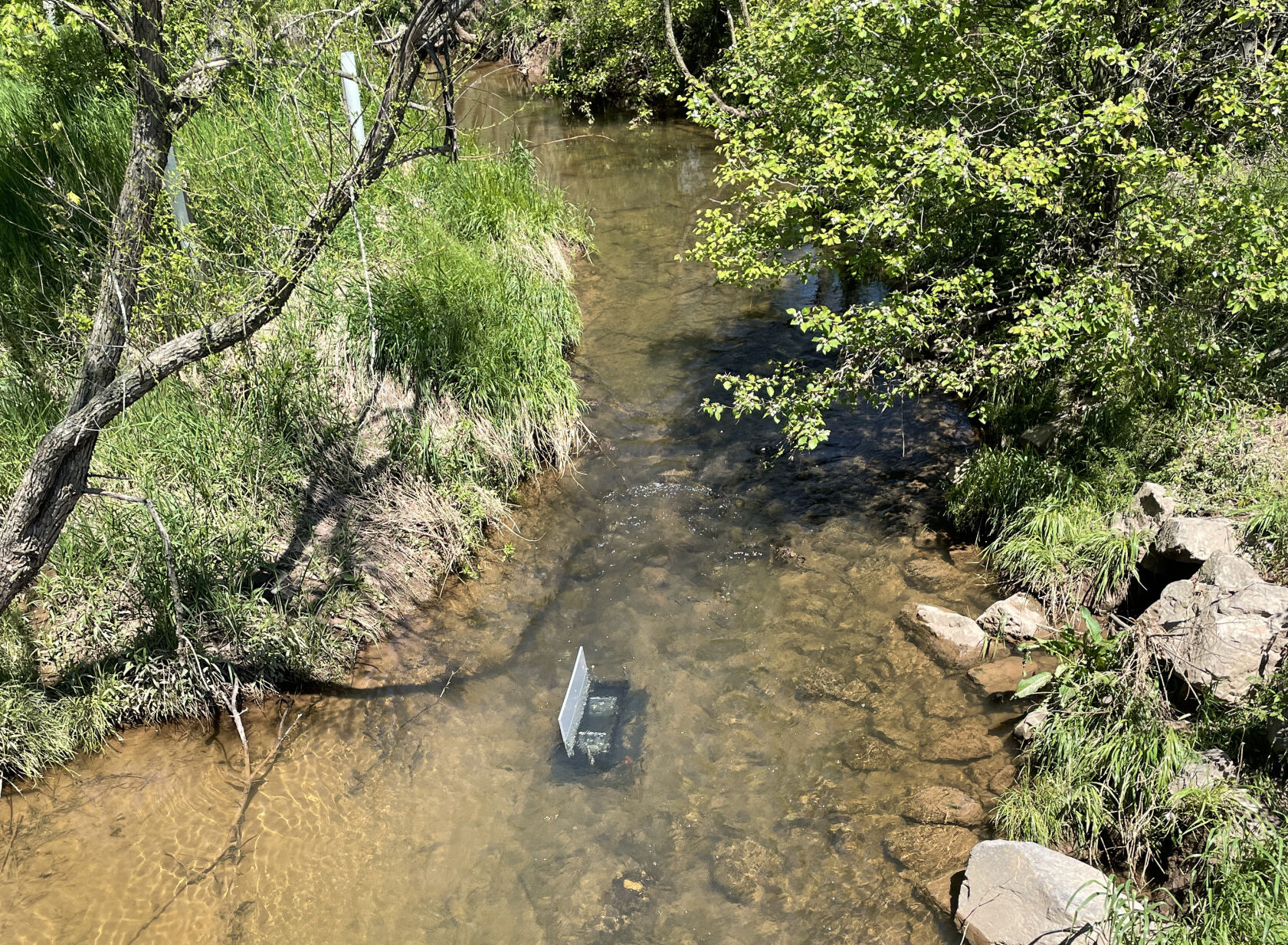
The Chesapeake Bay watershed will be one of three target areas - along with the Upper Mississippi River Basin and the Ohio River Basin - in which researchers will monitor streams and use AI to sort through the data to find pollution hotspots.
The data will be publicized so that policymakers and conservation workers can determine the most effective places to locate watershed restoration projects.
Members of the Chesapeake Bay watershed - Delaware, Maryland, New York, Pennsylvania, Virginia, West Virginia and the District of Columbia - set pollution reduction targets for 2025, and monitoring data indicates those goals will not be met.
However, Lancaster County conservation workers have consistently focused on progress made in local waterways, and there has been good news on that front. The annual University of Maryland's Center for Environmental Science Chesapeake Bay Report Card ranked the Upper Bay, the Bay region Lancaster County drains into, as the second-highest scoring for ecosystem health.
Cibin Raj, associate professor of agricultural and biological engineering in the Penn State College of Agricultural Sciences; Jonathan Duncan, associate professor in ecosystems science and management; and Chaopeng Shen, professor of civil and environmental engineering, will collaborate on the research. This is an ongoing project whose initial seed grant from the university came in 2020.